
Ph.Eur compliance for solvents is no longer optional, especially as ICH Q3C (R9) now classifies 63 regulated solvents and drives how we control residuals in pharmaceutical production. In this guide, we explain how to interpret and implement Ph.Eur expectations for bulk solvents, using our high‑purity ethanol manufacturing experience to give you practical, plant-level insight.
Key Takeaways
| Question | Answer |
|---|---|
| What is Ph.Eur compliance for solvents? | Alignment with European Pharmacopoeia monographs and general chapters that define identity, purity, and residual solvent limits for pharmaceutical and lab solvents such as ethanol. |
| Which guideline defines residual solvent limits? | ICH Q3C (R9) is the current framework, and its limits are embedded into Ph.Eur residual solvent chapters and individual monographs. |
| How many solvents are regulated under ICH Q3C (R9)? | It lists 63 solvents divided into Class 1, 2, and 3, which directly affects selection and control strategies in Ph.Eur compliant processes. |
| Where can I see our high‑purity ethanol portfolio? | You can review our bulk and packaged ethanol grades on the products overview page, which are designed for lab, pharmaceutical, and industrial solvent use. |
| What documentation should I request from a solvent manufacturer? | At minimum, ask for certificate of analysis, batch traceability, manufacturing origin, and confirmation of Ph.Eur and ICH Q3C alignment, then use the contact form for any additional technical clarifications. |
| How do I manage safety for Ph.Eur‑grade ethanol? | Follow local regulations and internal SOPs on flammable liquids, and consult structured guidance such as our ethanol hazards and safety measures article. |
| How can I request a solvent quote? | Prepare specifications, expected volumes, delivery location, and certification needs, then request a quote via our shop interface so our team can respond with a precise proposal. |
Understanding Ph.Eur Compliance For Solvents: Core Concepts
Ph.Eur compliance for solvents means that identity, purity, and impurity limits match monograph requirements and cross‑referenced general chapters, especially those governing residual solvents. For procurement and technical teams, this translates into choosing manufacturers whose processes, analytics, and documentation can withstand regulatory inspection.
The current ICH Q3C (R9) guideline, effective in 2024, defines the toxicological framework for residual solvents and is embedded in Ph.Eur requirements. When you qualify a solvent such as ethanol, you are effectively proving that both the bulk solvent and its use in formulations respect these class limits.
Ph.Eur also ties in related chapters such as 2.4.24 on residual solvents and specific solvent monographs, which are periodically revised. For example, updates to propylene glycol testing illustrate how quickly analytical expectations can change, and ethanol producers must monitor similar developments.
As a manufacturing plant, not a trader, we engineer our distillation and refining lines to meet pharmaceutical expectations from the start. That is the only reliable basis for consistent Ph.Eur compliant solvent supply at scale.
ICH Q3C (R9) And Ph.Eur: How Residual Solvent Classes Drive Your Strategy
Residual solvents are central to Ph.Eur, because they carry toxicological risk and can impact product quality, stability, and process robustness. ICH Q3C (R9) structures this space by defining permitted daily exposure (PDE) limits and assigning solvents to Class 1, 2, or 3 based on risk.
Class 1 solvents are carcinogenic or strongly environmentally harmful and should not be used. Class 2 solvents have stricter PDE‑based limits, so if your process needs them, you must demonstrate tight control and testing. Class 3 solvents are less toxic and typically have higher permissible levels, which simplifies compliance when they are used as process aids or solvents.
For ethanol, the focus is less on ethanol itself and more on potential volatile impurities and other solvents that may be present as residues. Ph.Eur and ICH Q3C alignment means we must show that these trace solvents, when present, are within the correct class limits for the intended use.
In practice, your quality agreements should explicitly reference ICH Q3C (R9) and specify which residual solvents are controlled, their limits, and the analytical methods applied. This gives regulators a clear link between your specifications, Ph.Eur monographs, and your supplier’s plant capabilities.

Analytical Testing Under Ph.Eur: Residual Solvents, Identification, And Limits
Ph.Eur compliant solvent testing covers several dimensions: identity, purity, and targeted impurity profiles, including residual solvents. For residual solvents, general chapter 2.4.24 and upcoming revisions distinguish between targeted and non‑targeted approaches, and move toward clearer system suitability requirements for Class 2 solvents.
Recent Ph.Eur updates for specific solvents, such as propylene glycol, show how testing is tightening. Ethylene glycol and diethylene glycol tests are now explicitly required, with an updated ethylene glycol limit of 620 ppm and an IR‑based identification step. Although ethanol monographs differ, the regulatory direction is the same: more explicit, risk‑based impurity control.
In our manufacturing lab, we use validated chromatographic methods (for example, GC for volatile impurities and residual solvents) and spectroscopic identity tests aligned with the relevant Ph.Eur chapters. This includes system suitability checks that ensure peaks for residual solvents are resolved and quantified at regulatory limits.
For buyers, the key is to ensure that suppliers share method summaries, validation status, and acceptance criteria, especially for residual solvents you consider critical. This enables your own quality control lab to perform incoming verification using comparable methods.
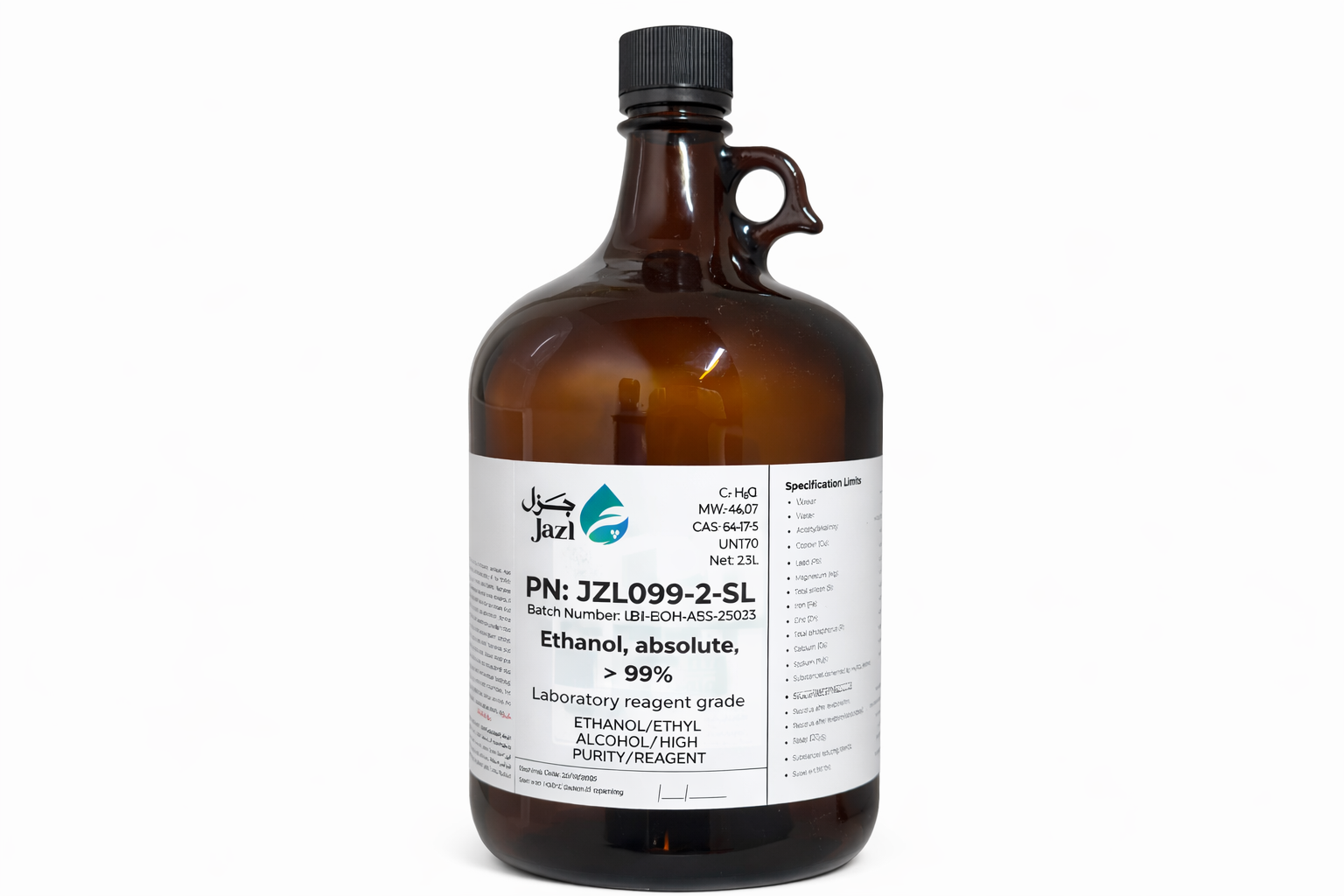
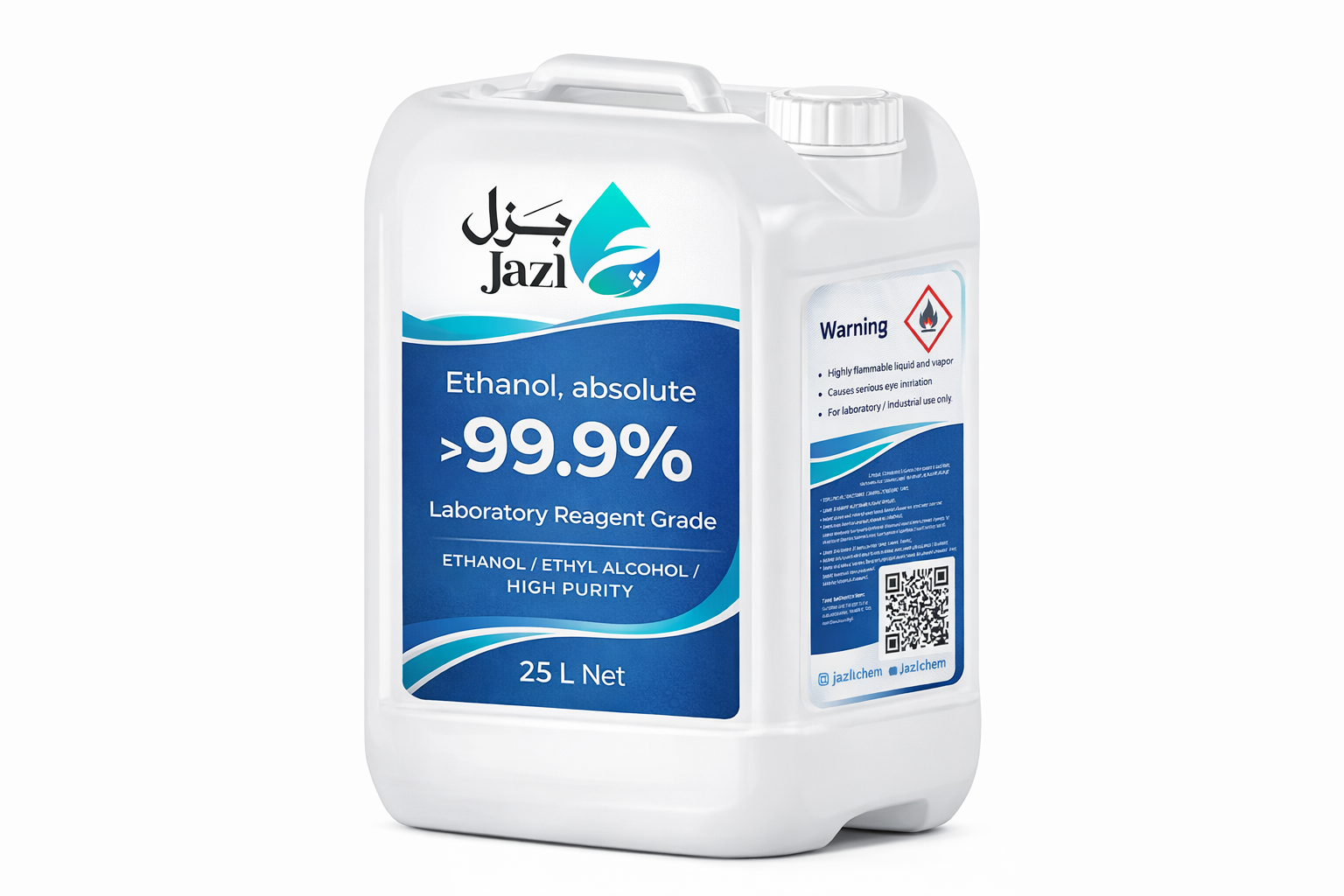
A visual guide showing the five core Ph.Eur compliance checkpoints every solvent program should cover.
High‑Purity Ethanol As A Ph.Eur‑Aligned Solvent: Grades And Use Cases
Ethanol is a workhorse solvent for labs, pharmaceutical manufacturing, hospitals, cosmetics, and perfumery. To support these applications under a Ph.Eur framework, we focus on high‑purity anhydrous grades at 99.9 percent, combined with strict impurity profiles and documentation.
Our medical and lab grade ethanol is suitable as a process solvent, extraction medium, or cleaning solvent where regulatory traceability and low residual impurity burden are required. The same quality philosophy extends into industrial and perfumery grades, where consistent volatility and low non‑volatile residue support reproducible formulations.
Jezyl Medical / Lab Grade Ethanol
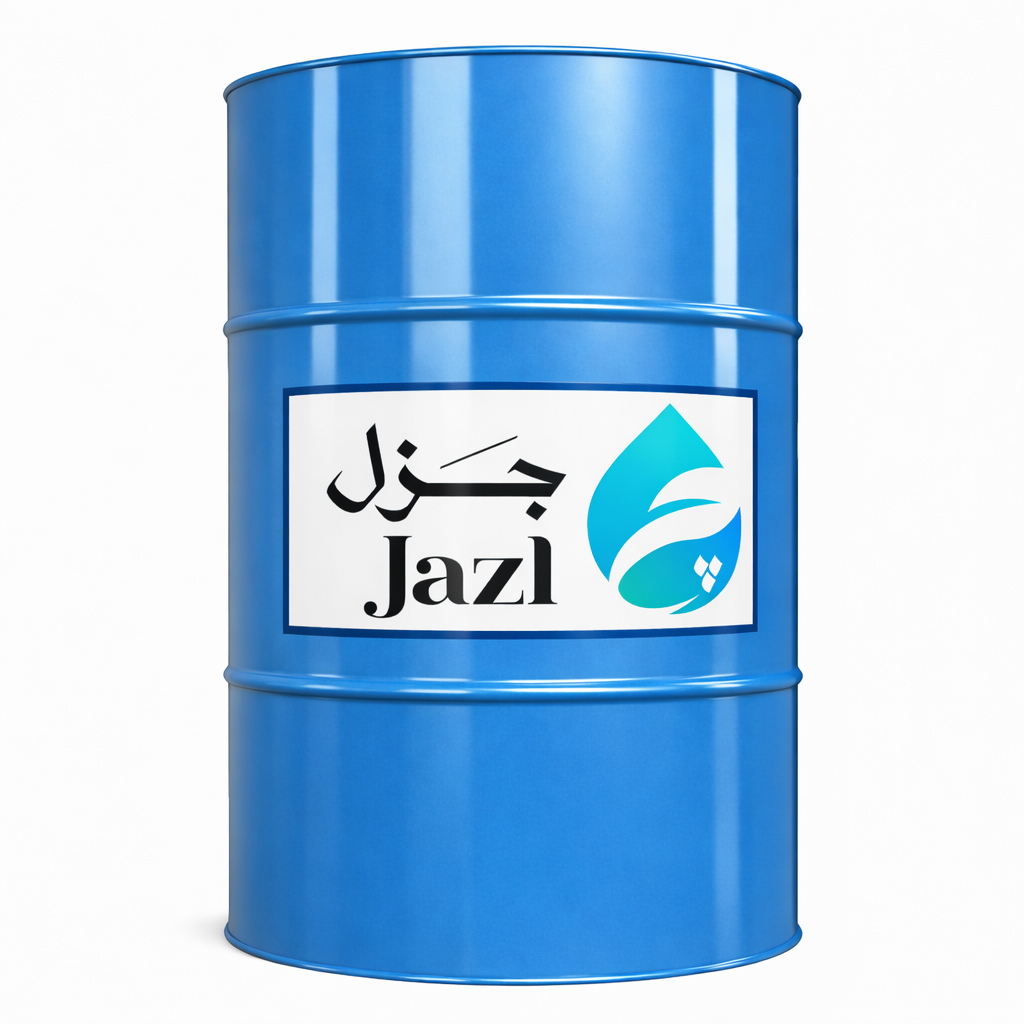
For laboratory and medical use, our Jezyl line offers 99.9 percent ethanol in 2.5 L, 25 L, and 220 L formats. Each batch is produced in our Saudi manufacturing plant, with testing aligned to pharmaceutical expectations for purity and volatile impurities.
Key lab and medical uses include:
- Analytical solvent in HPLC sample preparation and cleaning.
- Process solvent for intermediate synthesis under cGMP environments.
- Sterilant and disinfectant base in controlled environments, following internal validation.
Red Sea Industrial Ethanol: Ph.Eur‑Aligned Solvent For Perfumery And Technical Uses
While Ph.Eur is oriented to pharmaceutical quality, its principles are valuable for industrial solvent selection as well. Our Red Sea brand targets perfumery and industrial applications, with 99.9 percent anhydrous ethanol supplied from the same core manufacturing expertise.
For perfumery, consistent odor profile, low water content, and tight control of fusel oils and volatile impurities are essential. Applying Ph.Eur‑style control to these parameters improves batch‑to‑batch reproducibility for fragrance houses and cosmetic manufacturers.
In technical industries, such as coatings, electronics cleaning, and industrial disinfection bases, similar purity requirements reduce residue and variability. This is especially important where solvents contact equipment used later in pharmaceutical or medical workflows, even if the solvent itself is not classified as pharmaceutical grade in that context.
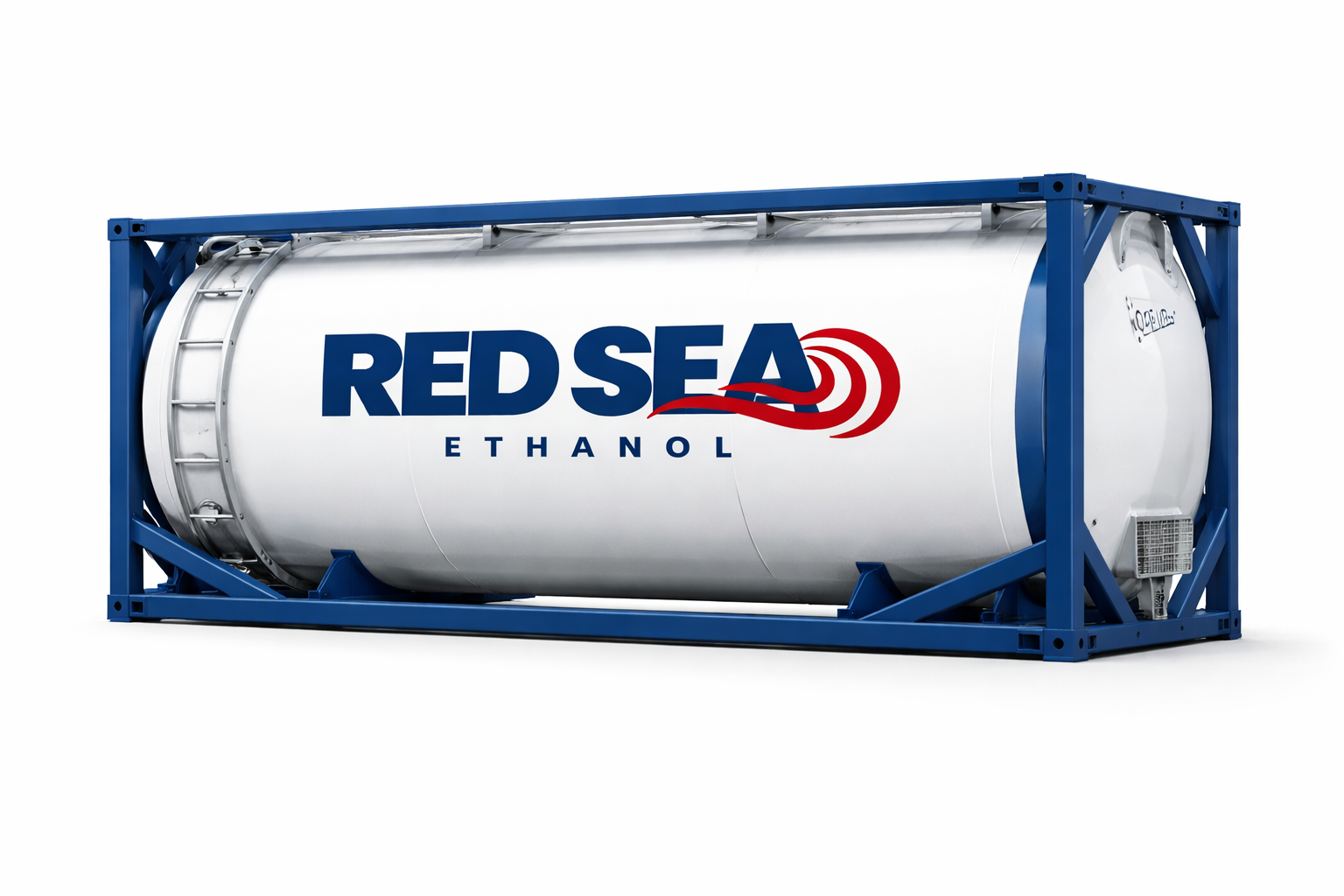
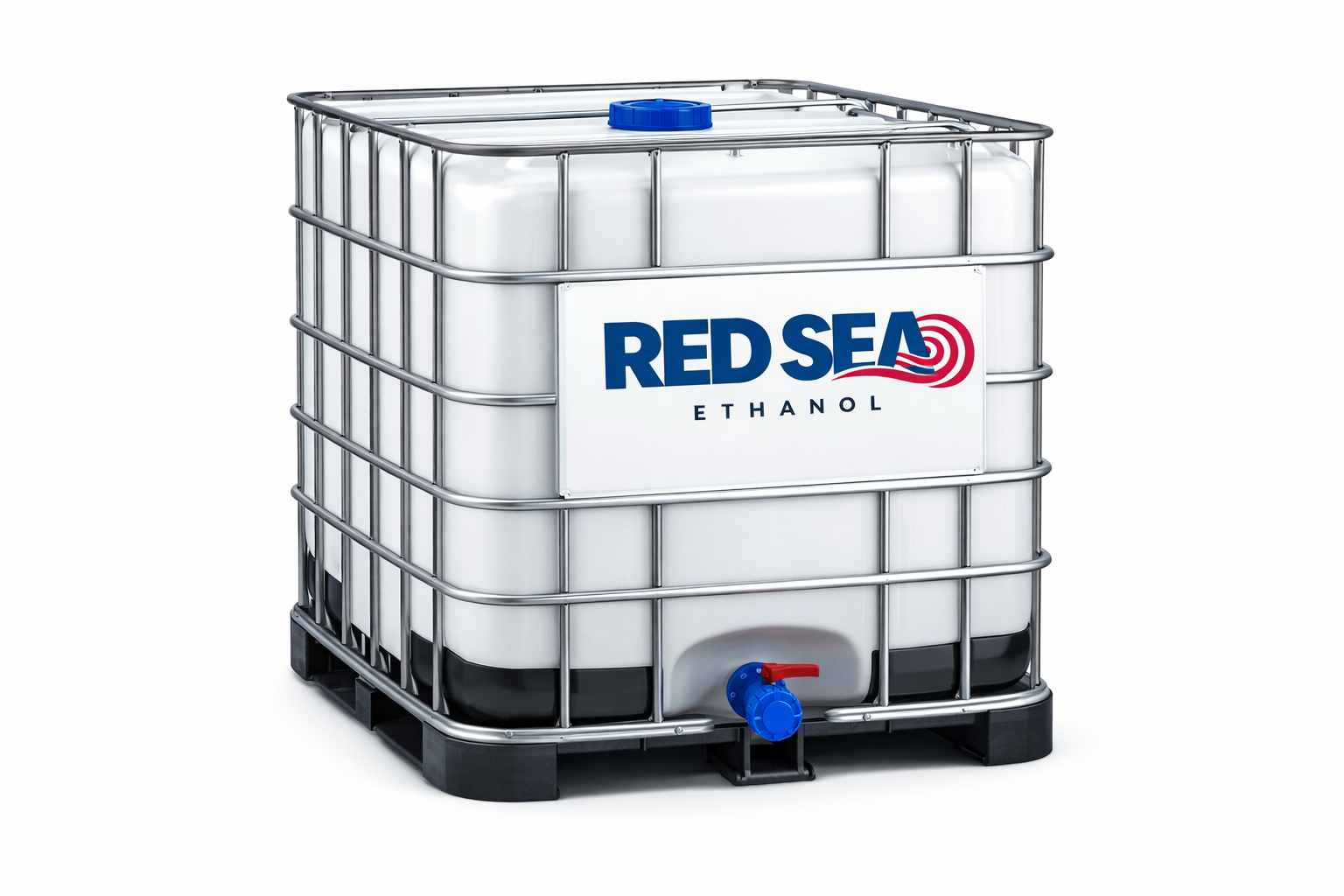
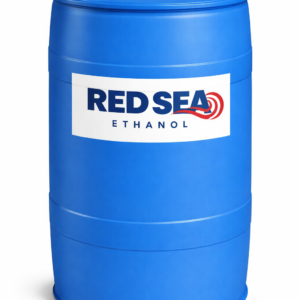
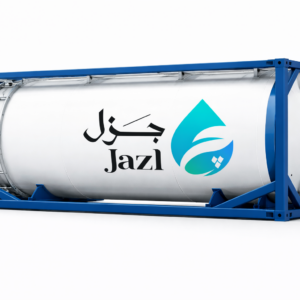
We offer Red Sea ethanol in ISO tanks, IBCs, and 205 to 220 L barrels to support different scale requirements while maintaining a consistent anhydrous quality profile.
Bulk Packaging Options And Their Impact On Ph.Eur Compliance
Packaging is not only a logistics decision, it also affects how you maintain Ph.Eur compliance from the plant to your line. Material compatibility, closure integrity, and cleaning validation for returnable containers all contribute to contamination risk, especially for residual solvents and non‑volatile residues.
We supply ethanol in formats that support different control strategies:
- 2.5 L and 25 L units for labs and small manufacturing blocks that require frequent batch turnover.
- 205 L and 220 L drums for mid‑scale plants with drum‑based solvent rooms.
- IBC and ISO tanks for continuous or campaign manufacturing that favors bulk storage and automated transfer.
Your internal handling procedures must complement supplier packaging controls. This includes inert gas blanketing where needed, filtered venting, and validated cleaning or disposal procedures for emptied containers.
From a documentation standpoint, each packaging type still receives a batch‑specific certificate of analysis. For ISO and IBC deliveries, we also provide loading and sealing records to support your audit trail.
Documentation, CoA, And How To Verify Ph.Eur Solvent Compliance
For B2B buyers, the main tools for verifying Ph.Eur alignment are documentation and supplier audit. A robust Ph.Eur compliant solvent program usually requires, at minimum, a detailed certificate of analysis, manufacturing site information, and a clear statement of pharmacopoeial alignment.
Your internal specifications should reference relevant Ph.Eur monographs and ICH Q3C, then cross‑check each incoming CoA against those targets. This includes identity tests, assay, related substances, and any listed residual solvents or volatile impurities.
When you work with a manufacturing plant instead of a trader, you can also assess upstream controls such as feedstock quality and distillation design. For ethanol, that includes how we manage fusel oils and light ends, which directly affects impurity profiles and thus compliance.
We recommend including the following points in your vendor qualification checklist:
- Confirmation that testing methods are aligned with Ph.Eur chapters.
- Evidence of method validation and participation in proficiency or inter‑laboratory schemes where relevant.
- Process change control notification commitments.
Risk Management: Safety, Handling, And Environmental Controls For Solvents
Ph.Eur compliance does not replace safety and environmental obligations, it complements them. High‑purity ethanol remains a flammable and volatile solvent, so you must integrate pharmacopoeial quality control with occupational safety, fire protection, and environmental management.
Our guidance on ethanol hazards focuses on ventilation, ignition source control, compatible materials, and spill management. For Ph.Eur‑aligned operations, this also includes preventing cross‑contamination between solvent grades and applications, especially where pharmaceutical lines share infrastructure with industrial uses.
From a residual solvent perspective, proper storage conditions limit degradation and formation of secondary impurities. Maintaining closed, inerted systems and temperature control reduces oxidative byproducts and water uptake, which can otherwise complicate Ph.Eur testing and compliance.
Waste management is another key step. Spent solvents and cleaning solutions must follow local regulations for collection and disposal, which indirectly protects the integrity of your compliant production areas by avoiding unsafe reuse.

Global Trends Shaping Ph.Eur Solvent Compliance
Ph.Eur sits within a wider global landscape of solvent regulation and market forces. Residual solvent control is particularly driven by pharmaceuticals, which account for a major share of the residual solvent testing and compliance market, and this focus filters back to bulk solvent producers.
As regulators clarify distinctions between targeted and non‑targeted residual solvent analysis and tighten monographs, the demand for high‑purity, well‑documented solvents increases. Manufacturing plants that can provide strong analytical data, traceability, and responsive updates gain a clear advantage for B2B buyers.
For ethanol, we see continuous demand from pharmaceutical, hospital, and lab customers in Saudi Arabia, GCC, and broader MENA, combined with industrial and perfumery growth. This reinforces our investment in local production capacity, which shortens lead times and improves supply chain traceability compared to imports.
Buyers should track Ph.Eur supplements, ICH updates, and EDQM announcements as part of their supplier management program. Aligning internal change control with these updates ensures your solvent strategy remains compliant without last‑minute disruptions.
Practical Procurement Checklist For Ph.Eur‑Aligned Solvents
To close the loop between technical requirements and purchasing decisions, we recommend a structured procurement checklist for Ph.Eur‑aligned solvents such as ethanol. This helps both quality and procurement teams ask consistent, technical questions.
Core items to request from your solvent manufacturer:
- Detailed product specification sheet with reference to relevant Ph.Eur monographs and ICH Q3C.
- Certificate of analysis template and example for a recent batch.
- Confirmation of manufacturing site, including whether the supplier is a plant or a trader.
- Packaging details and cleaning / preparation procedure for reusable formats.
- Change control statement describing how you will be informed of process or spec changes.
What we need from you for a precise quote:
- Required grade and intended use (for example, lab solvent, pharmaceutical process solvent, perfumery base, industrial use).
- Target purity and key specification points, such as water content or specific impurity limits.
- Estimated monthly or campaign volume and preferred packaging format.
- Delivery location, preferred incoterms, and any local regulatory documentation needs.
- Any specific certifications or audit requirements, so we can schedule them early.
Once these elements are clear, our technical and commercial teams can propose a supply model that aligns with your Ph.Eur and internal quality frameworks.
Conclusion
Ph.Eur compliance for solvents is a combination of the right manufacturing design, analytical testing, documentation, and procurement discipline. When you understand how ICH Q3C classes, Ph.Eur monographs, and plant‑level quality systems fit together, selecting and qualifying solvents such as high‑purity ethanol becomes far more straightforward.
As a local manufacturing plant focused on high‑purity ethanol for lab, pharmaceutical, hospital, perfumery, and industrial users, we build our processes around these requirements. If you are defining or updating your solvent strategy, we encourage you to share your specifications and compliance expectations so we can align a tailored supply solution and provide a detailed quote.