
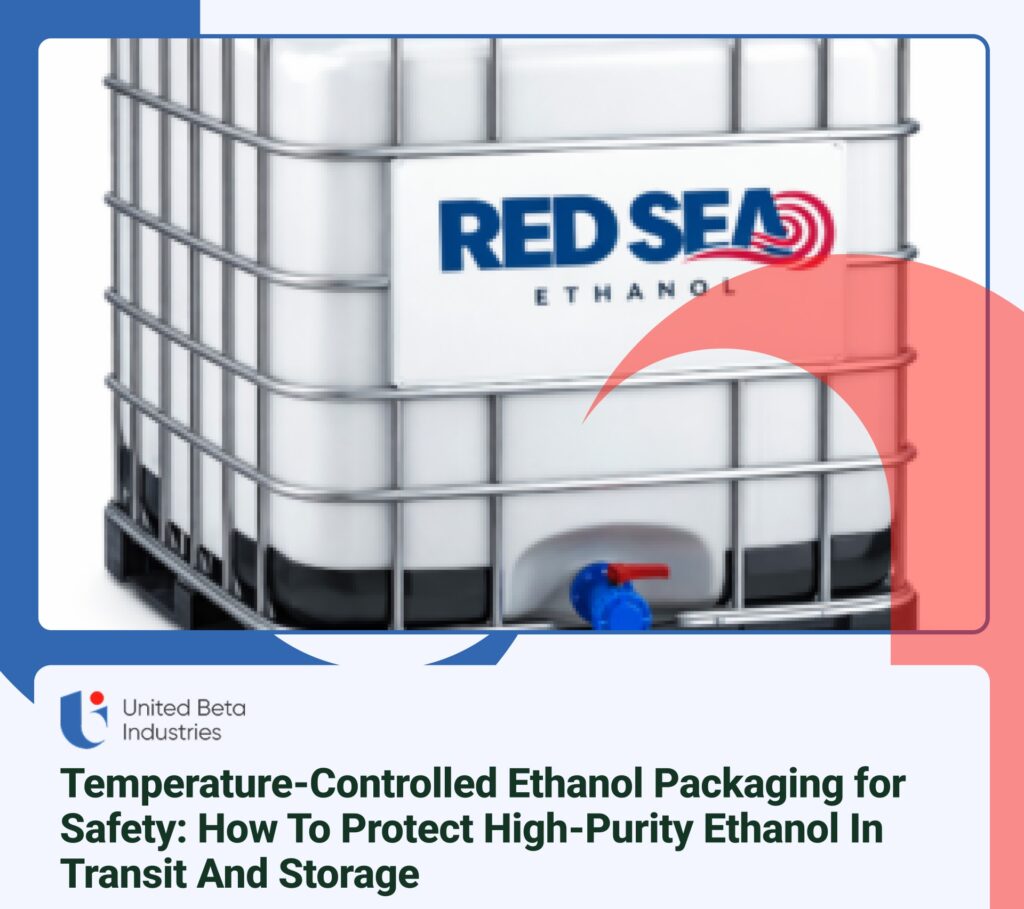
Ethanol is highly flammable with a flash point of just 13 °C, which makes disciplined temperature control and packaging design critical for safe handling in laboratories, hospitals, and industrial plants.
In this article, we explain how temperature-controlled ethanol packaging contributes to safety, purity, and regulatory compliance across medical, laboratory, perfumery, and industrial applications, and how our ethanol manufacturing plant in Saudi Arabia supports those needs.
Key Takeaways
| Question | Answer |
|---|---|
| Why does temperature control matter for ethanol safety? | Temperature affects ethanol vapor pressure, flammability risk, and container integrity. Stable temperatures reduce fire hazards and help preserve high purity ethanol for medical, laboratory, and industrial use. |
| Which ethanol grades are most sensitive to packaging and temperature? | Medical grade ethanol, pharmaceutical grade ethanol, absolute ethanol 99.9%, high purity ethanol, and laboratory grade ethanol require strict packaging, clean materials, and controlled storage conditions to protect purity and performance. |
| What packaging formats support safe, bulk ethanol logistics? | Validated 205 L and 220 L drums, IBC tanks, and ISO tanks allow safe handling of ethanol for hospital sanitization, ethanol for medical disinfection, ethanol solvent for chromatography, and ethanol for perfume manufacturing in regional and export supply chains. Explore options in our products section. |
| How does packaging design protect ethanol purity? | Using compatible materials, high integrity closures, and appropriate insulation reduces contamination, evaporation, and chemical migration, which is essential for pharmaceutical grade ethanol and ethanol for laboratory use. |
| What role does a local ethanol manufacturer play in safety? | A regional ethanol production plant and bulk ethanol supplier can shorten transit times, reduce thermal stress, and provide better oversight, which supports safer supply chains in Saudi Arabia, the GCC, and wider Middle East. |
| Where can buyers request a quote for bulk ethanol with appropriate packaging? | Procurement teams can review our ethanol range in the shop and then contact our team via the contact page to request a tailored quotation. |
| Who is this guide for? | Pharmaceutical manufacturers, hospitals, laboratories, cosmetic and fragrance producers, and industrial users evaluating safe temperature-controlled packaging for ethanol for antiseptic production, ethanol for hand sanitizer, and perfumers alcohol. |
1. Why Temperature-Controlled Packaging Is Critical For Ethanol Safety
Ethanol is a volatile, high-energy liquid, and its flammability profile is tightly linked to temperature.
As temperature increases, vapor generation accelerates, which can raise explosion risk in enclosed spaces if packaging and ventilation are not designed correctly.
For industrial ethanol and bioethanol industrial use, bulk volumes amplify that risk.
A 205 L or 220 L drum behaves very differently from a 2.5 L laboratory bottle, so packaging and storage strategies must reflect volume, environment, and use case.
High purity ethanol, including absolute ethanol 99.9%, is also sensitive to contamination.
Uncontrolled temperature alongside suboptimal packaging can drive condensation, ingress of moisture, and chemical migration from packaging materials into the product.
From our perspective as an ethanol manufacturer and ethanol supplier Middle East, safe packaging is not a secondary detail.
It is part of the core specification, especially when supplying ethanol for hospital sanitization, ethanol for medical disinfection, or ethanol for chromatography.
2. Understanding Ethanol Grades And Their Packaging Sensitivity
Different ethanol grades place different stress on packaging systems, both in terms of purity requirements and operational risk.
In our plant we produce pharmaceutical grade ethanol and laboratory grade ethanol that meet European Pharmacopoeia benchmarks, alongside cosmetic grade ethanol and industrial ethanol for broader use.
Medical grade ethanol and pharmaceutical grade ethanol used in injectables, topical antiseptics, and sensitive formulations require tightly specified primary packaging and well controlled storage temperatures.
Any migration, leachables, or micro-particulate contamination can compromise quality profiles that regulators expect for pharma applications.
High purity ethanol and absolute ethanol 99.9% used as an ethanol solvent or for ethanol for chromatography are equally demanding.
Here, packaging must protect against water ingress and airborne contaminants that can alter assay results or chromatography baselines.
Cosmetic and fragrance applications, including ethanol for perfume manufacturing, perfumers alcohol, and ethanol for fragrance industry, also rely on stable, low odor, impurity-controlled ethanol.
For these sectors, packaging that protects against thermal cycling and oxidation helps maintain a neutral solvent profile that does not interfere with fragrance notes.
3. Temperature Effects On Ethanol Volatility, Migration, And Purity
Temperature is a central parameter in ethanol risk management, because it influences vapor pressure, flash point proximity, and potential interaction with packaging materials.
Higher temperatures typically accelerate chemical migration from packaging into liquids, as seen in broader packaging science literature.
For example, migration studies using ethanol as a simulant for polar foods show that overall chemical migration from many packaging materials tends to remain below 0.5 mg/dm² under controlled conditions.
This indicates that, with appropriate materials and validated test conditions, packaging can safely contain ethanol-rich systems without significant contaminant transfer.
However, when temperature rises above design conditions, diffusion processes speed up and equilibrium concentrations can shift.
For high purity pharmaceutical ethanol supplier GCC operations, this means temperature control is not only about flammability, it is also about keeping migration within validated boundaries.
In practical terms, storing ethanol for medical disinfection or ethanol for hand sanitizer in a hot, unventilated warehouse can increase both vapor buildup and the risk of packaging stress or deformation.
Temperature-controlled or at least temperature-aware storage policies, with clear maximum storage temperature limits, directly support product integrity.
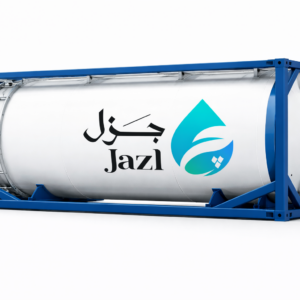
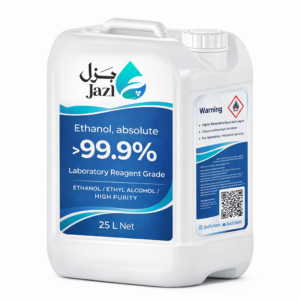
This infographic highlights three critical benefits of temperature-controlled ethanol packaging. It explains how controlled temperatures improve safety, regulatory compliance, and product integrity.
4. Bulk Packaging Options: Drums, IBCs, And ISO Tanks
Drums: 205 L And 220 L For Controlled Storage
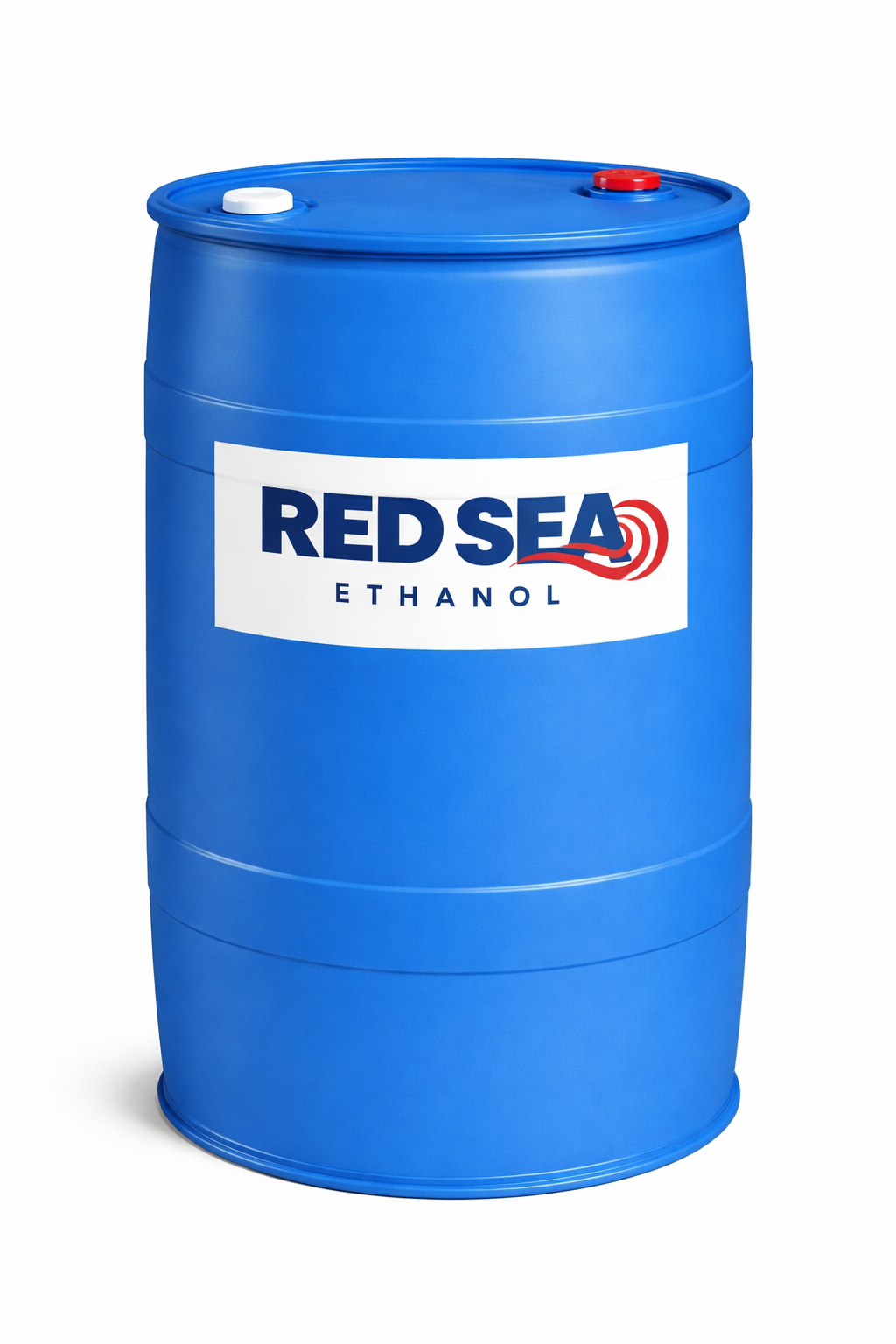
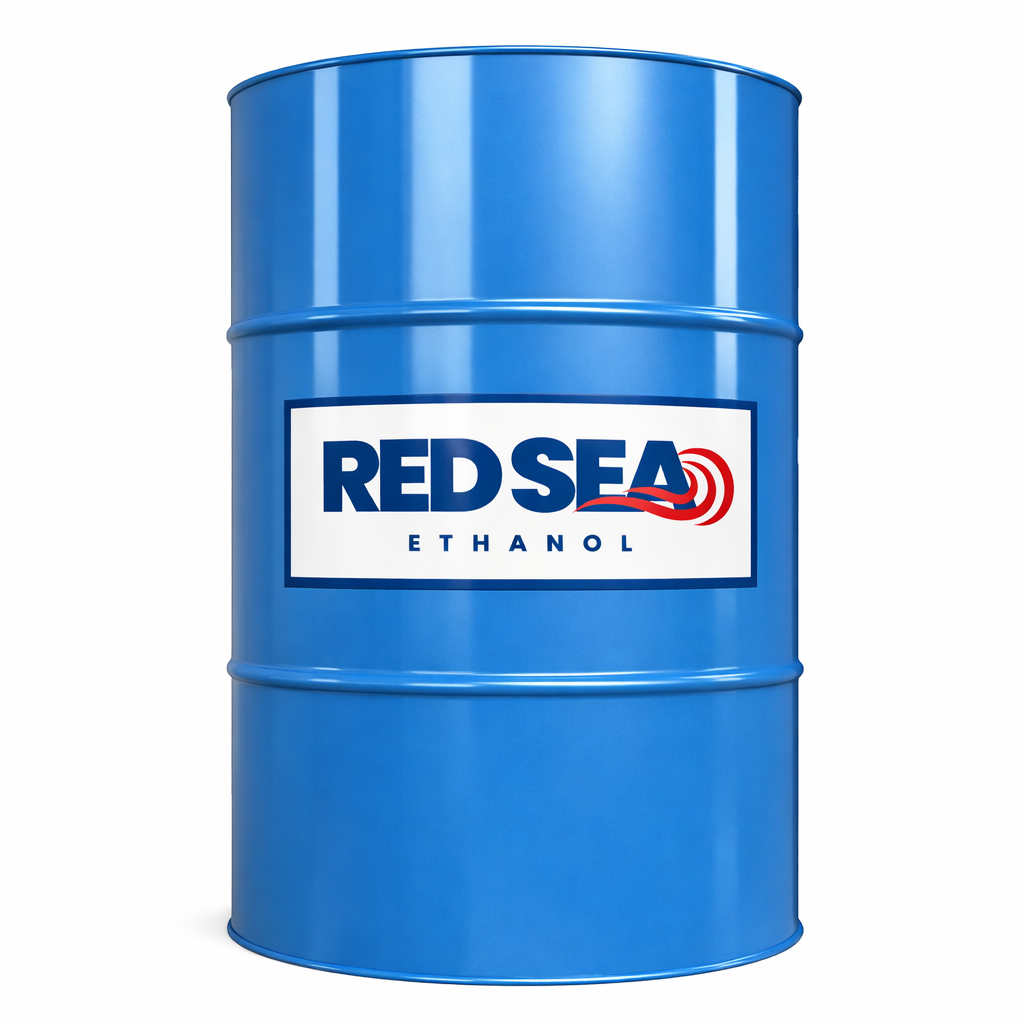
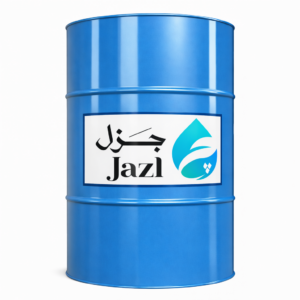
For many customers, 205 L and 220 L steel or HDPE drums provide an efficient balance between handling flexibility and volume.
They are widely used for ethanol for hospital sanitization, ethanol for antiseptic production, and cosmetic grade ethanol for manufacturing hygiene products.
Closed-head drums with UN-approved closures and tamper-evident seals help maintain product integrity.
When paired with shaded or climate-moderated storage, they reduce temperature peaks that can create headspace vapors and pressure swings.
IBC Tanks For High-Volume, Regional Distribution
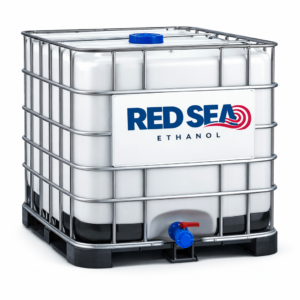
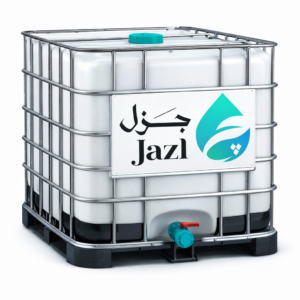
Intermediate bulk containers (IBCs) are widely used for ethanol for laboratory use at scale, industrial ethanol, and denatured ethanol supplied to manufacturers.
They typically carry around 1,000 L and are suited to controlled ambient storage with clear maximum temperature limits.
Our Red Sea Ethanol 99.9% range is available in IBC format, making it suitable for perfumery and industrial applications that require stable, high purity ethanol.
IBCs must always be secured, earthed where required, and shielded from direct solar load to avoid local overheating.
ISO Tanks For Export And Long-Distance Supply Chains
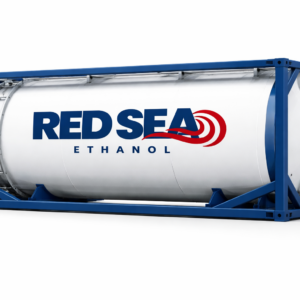
For large-scale customers and cross-border shipments, ISO tanks provide the most robust platform for temperature-managed ethanol logistics.
They accommodate tens of thousands of liters per load and integrate with global tank container infrastructure.
We supply both Red Sea Ethanol 99.9% and medical grade ethanol in ISO tank configuration, aligning with bioethanol industrial use and large pharmaceutical manufacturing needs.
Here, attention to temperature is particularly important, because voyages may cross climatic zones that expose tanks to very high ambient conditions if not managed correctly.
5. Temperature-Control Strategies For Different Use Cases
Temperature-control does not always mean deep cold.
For ethanol, the priority is often to avoid excessive heat, direct sun, and uncontrolled fluctuations rather than maintain near-freezing conditions.
Below are practical strategies we recommend for different sectors:
- Pharmaceutical manufacturing: Use insulated storage rooms or shaded tank farms, monitor ambient temperature, and maintain clearly defined acceptable ranges for pharmaceutical grade ethanol and ethanol for chromatography.
- Hospitals and clinics: Avoid placing ethanol for hospital sanitization and ethanol for medical disinfection near steam lines or external walls exposed to sun, and implement secure, ventilated chemical stores.
- Fragrance and cosmetics: For ethanol for perfume manufacturing and perfumers alcohol, maintain moderate temperatures to avoid evaporation and odor changes, especially for long-term stored batches.
- Industrial users: For industrial ethanol in outdoor tanks or IBC farms, use shading structures, reflective coatings where appropriate, and routine checks for swelling or deformation of plastic containers.
Documenting these requirements in internal SOPs ensures that both safety teams and procurement understand why packaging selection and storage design are closely connected.
As a bulk ethanol supplier, we encourage customers to share their storage conditions so we can advise on appropriate packaging formats.
6. Red Sea Ethanol 99.9%: Industrial And Perfumery Applications
High Purity Industrial Ethanol With Flexible Packaging
Our Red Sea Ethanol 99.9% line is tailored to perfumery and broader industrial applications that require consistent, high purity ethanol.
Although described as industrial, the purity profile aligns with demanding users who need low odor, low impurity solvent for fragrance and cosmetic formulations.
We manufacture this ethanol locally in Saudi Arabia in our ethanol production plant, rather than re-selling imported product.
This allows us to align distillation, dehydration, and packaging workflows with regional climate conditions and logistics patterns.
Packaging Options For Safety And Efficiency
For Red Sea Ethanol 99.9%, customers can select:
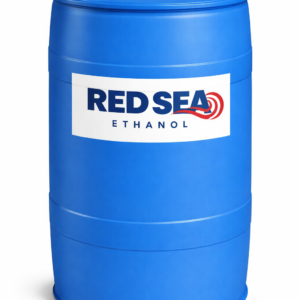
- 220 L barrels for perfumery plants and mid-sized cosmetic manufacturers.
- 205 L barrels for sites with tighter handling constraints.
- IBC tanks for high-consumption fragrance and industrial customers.
- ISO tanks for large-scale industrial clients and export.
Each option can fit into temperature-managed or temperature-aware storage systems.
For example, storing IBCs under shade or in ventilated warehouses significantly reduces surface temperature, which in turn reduces vapor generation.
7. Medical-Grade Ethanol 99.9%: Laboratory And Healthcare Safety
Pharmaceutical Grade Ethanol For Critical Environments
Our medical-grade ethanol 99.9% is designed for laboratory, medical, and industrial use that requires pharmaceutical grade ethanol characteristics.
Typical applications include solvent systems for pharmaceutical manufacturing, ethanol for laboratory use, and ethanol for chromatography.
In hospital and clinic environments, this grade can be part of ethanol for hospital sanitization and ethanol for medical disinfection workflows when formulated appropriately by downstream manufacturers.
Because these environments involve frequent human contact and sensitive equipment, purity and packaging integrity are crucial.
Packaging Formats To Support Controlled Handling
We provide medical grade ethanol 99.9% in:
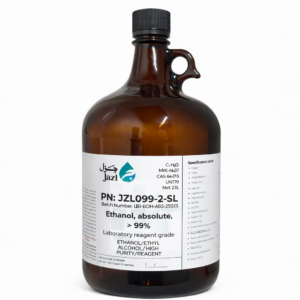
- 2.5 L and 25 L containers for laboratory grade ethanol and small-scale research needs.
- 205 L and 220 L drums for hospital central stores and pharmaceutical plants.
- IBC and ISO tanks for bulk pharmaceutical operations and industrial formulation sites.
In all cases, we recommend that customers specify their typical storage temperatures and ventilation characteristics.
This enables our technical team to confirm compatibility and advise on any additional insulation or monitoring that may be appropriate.
8. Local Manufacturing In Saudi Arabia: Shorter, Safer Supply Chains
As an ethanol manufacturer Saudi Arabia, we produce high purity ethanol locally rather than importing finished product.
This reduces shipping distances and exposure times in hot climates, which directly supports safer temperature profiles in transit.
For buyers across the GCC and wider Middle East, a regional ethanol manufacturer and bulk ethanol supplier can plan shipments around local weather patterns and port conditions.
This is especially valuable for pharmaceutical grade ethanol, laboratory grade ethanol, and ethanol for hand sanitizer where quality incidents carry high operational impact.
Shorter transit routes also reduce the complexity of managing ISO tank heating or cooling across multiple carriers.
With fewer handovers, there is less chance of mismanaged storage, unshaded tank yards, or delays in customs that can expose cargo to extreme temperatures.
As a pharmaceutical ethanol supplier GCC and ethanol supplier Middle East, we focus on pairing appropriate packaging with realistic route and storage planning.
Our goal is to make temperature-control practical as well as technically robust for each customer.
9. How Procurement Teams Should Specify Temperature-Controlled Ethanol Packaging
When sourcing medical grade ethanol, industrial ethanol, or cosmetic grade ethanol, packaging and temperature requirements should be explicit in the RFQ.
Instead of asking only for volume and price, include details that directly impact safety and performance.
We suggest procurement teams specify:
- Required grade and purity, for example, pharmaceutical grade ethanol, absolute ethanol 99.9%, or denatured ethanol.
- Intended application, such as ethanol for fragrance industry, ethanol for antiseptic production, or ethanol solvent for chromatography.
- Preferred packaging format, such as 205 L or 220 L drums, IBC tanks, or ISO tanks.
- Typical storage temperatures and whether storage is indoor, shaded outdoor, or exposed.
- Maximum acceptable transit time and any seasonal restrictions, for example avoiding peak summer road transport in certain regions.
- Documentation needed, such as CoA, safety data, and packaging compliance declarations.
With this information, we can recommend packaging and handling approaches that match your operational reality.
Our team can also help identify when active temperature-control is necessary versus when disciplined ambient control is sufficient.
10. Quality, Mislabeling Risks, And How Packaging Helps Verification
In many markets there is growing concern about mislabeling of ethanol purity or origin.
Products labeled as high purity ethanol or laboratory grade ethanol may in reality be industrial ethanol that does not meet relevant pharmacopoeial criteria.
Robust packaging, along with clear labeling and traceable batch information, is one of the easiest ways for buyers to spot professional manufacturing standards.
For example, consistent packaging across Red Sea and our medical grade lines, with batch numbers and grade markings, reassures inspection teams.
As a Saudi-owned ethanol production plant operating under European Pharmacopoeia framing, we combine OWERTech-style processing technology with disciplined packaging standards.
This alignment helps procurement teams trust that what arrives in a 220 L drum or ISO tank corresponds to the specification on paper.
We encourage all buyers to request:
- Certificates of analysis for each lot.
- Details of packaging materials and their compatibility with ethanol.
- Information about recommended storage temperatures and shelf life under local conditions.
When this information is consistent across documentation, packaging, and physical product, the risk of mislabeling and scam product is substantially lower.
This supports safer use of ethanol for hospital sanitization, ethanol for fragrance industry, and bioethanol industrial use across the region.
11. What We Need From You For A Tailored Quote
To help you choose the safest and most efficient temperature-controlled ethanol packaging, we ask potential customers to share a concise technical brief.
This reduces back-and-forth and ensures our proposal is aligned with your safety and quality requirements.
At minimum, please provide:
- Grade and specification: for example, medical grade ethanol 99.9%, perfumers alcohol, or industrial ethanol with specific denaturants.
- Intended use: such as ethanol for hand sanitizer, ethanol solvent for chromatography, or ethanol for perfume manufacturing.
- Required volume and frequency: single shipment or recurring deliveries, including annual demand estimates.
- Preferred packaging: drums, IBC tanks, or ISO tanks, and whether you have existing handling infrastructure for each.
- Delivery location: city, country, and whether access is via road, port, or both.
- Storage conditions: indoor or outdoor, typical temperature range, and any special safety protocols.
- Certification needs: requested standards, analysis methods, or documentation beyond standard CoA and SDS.
Once we have this information, our technical and commercial teams can recommend a combination of ethanol grade, packaging format, and logistics plan.
This integrated approach supports both operational efficiency and safety for your facility.
Conclusion
Temperature-controlled ethanol packaging is not just a logistics detail, it is a core safety and quality parameter for every user of high purity ethanol.
From medical grade ethanol for laboratories and hospitals to Red Sea Ethanol 99.9% for perfumery and industrial applications, the combination of correct grade, appropriate packaging, and realistic temperature-control is what keeps people, facilities, and products safe.
As a Saudi-based ethanol manufacturer and bulk ethanol supplier, we design our packaging options to suit regional conditions across Saudi Arabia, the GCC, and wider Middle East and Africa.
If you are reviewing your ethanol supply, packaging formats, or storage standards, we encourage you to reach out to our team, share your technical requirements, and request a detailed quote tailored to your operating environment.
