
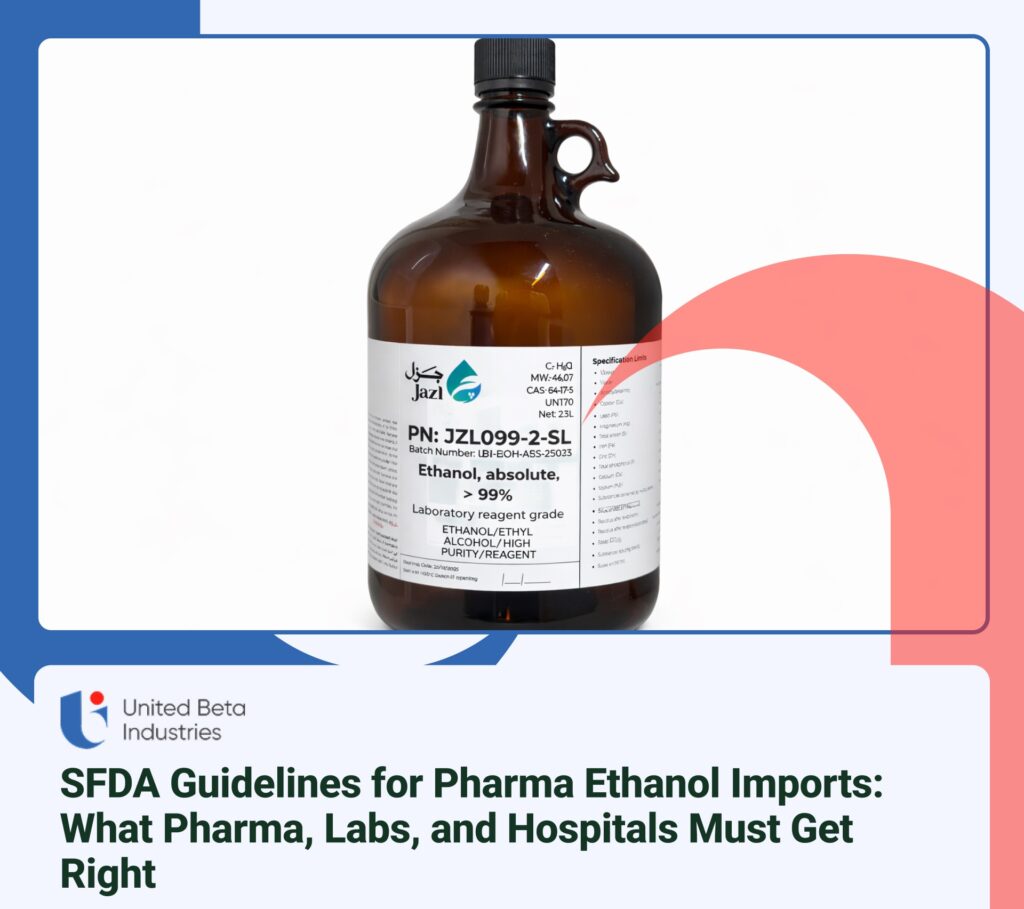
Pharmaceutical ethanol is one of the most tightly controlled excipients entering Saudi Arabia, and SFDA oversight is increasing every year. In 2025, the total number of licensed facilities under SFDA reached 9,155 with an 18% year‑on‑year increase, which means more inspections, more digital control, and much less room for error when importing medical grade ethanol and related grades.
Key Takeaways
| Question | Answer |
|---|---|
| What purity does SFDA typically expect for pharma ethanol imports? | Pharmaceutical grade ethanol and medical grade ethanol are usually imported at Absolute ethanol 99.9% purity, aligned with pharmacopoeial standards such as Ph.Eur., similar to the products we list on our products page. |
| Which SFDA frameworks affect ethanol imports? | Imports are governed by SFDA drug and excipient regulations, port inspection programs, and digital platforms such as the Saudi Drug Registration (SDR) system and the Drug Track and Trace System (RSD), which control how pharmaceutical inputs are registered and traced. |
| Can we import different grades in bulk, such as industrial ethanol or cosmetic grade ethanol? | Yes, but each use case, including ethanol for perfume manufacturing, ethanol for hospital sanitization, or ethanol for laboratory use, must match the declared grade, packaging, and end use as reviewed by SFDA and relevant authorities. |
| What documentation does SFDA expect from an ethanol manufacturer? | Typically, a full COA for each batch, GMP or equivalent quality certifications, detailed impurity profile for high purity ethanol, and clear alignment of the specification with the claimed grade (pharmaceutical, laboratory grade ethanol, cosmetic grade ethanol, or industrial ethanol). |
| How does packaging format affect approval? | SFDA and port authorities will review whether packaging such as 220 L barrels, IBC tanks, or ISO tanks is suitable for the declared grade and end use, similar to the formats we provide across our bulk ethanol catalog. |
| Where can I source locally produced pharma ethanol in Saudi Arabia? | As a Saudi ethanol production plant, we manufacture high purity ethanol domestically, detailed on our United Beta Industries homepage, which supports compliance with SFDA expectations on traceability and quality. |
1. How SFDA Views Pharma Ethanol: Excipient, Solvent, and High‑Risk Input
SFDA treats pharmaceutical grade ethanol as a critical excipient and solvent in medicines, disinfectants, and medical devices, not as a commodity chemical.
Because of this, ethanol for medical disinfection, ethanol for hand sanitizer, and ethanol for hospital sanitization all fall under SFDA oversight when used in regulated products.
SFDA also pays attention to cross‑sector usage, such as ethanol for antiseptic production, cosmetic grade ethanol in topical products, and perfumers alcohol in fine fragrances that may be sold in pharmacies.
As a result, any ethanol manufacturer or ethanol supplier that targets the Saudi market must be able to clearly separate grades for pharma, cosmetic, and industrial use, with no ambiguity in specifications.

At United Beta Industries, we position ourselves as a pharmaceutical ethanol supplier GCC buyers can rely on, with medical grade ethanol that aligns with European Pharmacopoeia (Ph.Eur.) requirements.
This alignment simplifies technical discussions with SFDA reviewers, since Ph.Eur. specifications are widely recognized and understood in the Saudi regulatory environment.
2. Core Purity Requirements for SFDA‑Compliant Pharma Ethanol
For importers, the first step in meeting SFDA expectations is to match product purity to the intended use.
In practice, this usually means sourcing absolute ethanol 99.9% for injectable, oral‑adjacent, or critical manufacturing processes, and medical grade ethanol of similar purity for antiseptics and disinfectants.
SFDA will look beyond the headline purity and into the full impurity profile, including methanol, aldehydes, higher alcohols, and water content in high purity ethanol.
Laboratory grade ethanol and ethanol for chromatography must also demonstrate low levels of UV‑absorbing impurities and consistent lot‑to‑lot performance.
Our production plant in Saudi Arabia focuses on high‑efficiency distillation and refining to support pharmaceutical grade ethanol and laboratory grade ethanol that meet tight impurity thresholds.
This is especially important when ethanol solvent is used in controlled release formulations, solubility optimization, or targeted delivery systems, where trace impurities can affect bioavailability or stability.

We avoid any positioning that suggests human consumption and focus strictly on pharma, lab, cosmetic, and industrial applications.
This is aligned with SFDA’s own approach, which separates regulated medicinal use from other regulated or semi‑regulated sectors such as cosmetics, laboratories, and industrial applications.
3. SFDA Import Pathways and Digital Systems Relevant to Ethanol
Every shipment of pharmaceutical grade ethanol entering Saudi Arabia has to pass through a combination of SFDA digital systems and physical inspections.
For excipients and solvents, importers typically work within the broader drug and medical product frameworks, particularly the Saudi Drug Registration (SDR) system for product data and approvals, and port clearance systems for consignments.
Since the SDR system’s new version launched in 2021, SFDA has handled more than 30,000 applications and registered over 8,000 products, which shows the scale that ethanol importers must navigate.
In parallel, SFDA’s Drug Track and Trace System (RSD) has logged billions of supply chain operations, and solvents used in finished medicines may fall under traceability obligations once incorporated into drug products.
As a local ethanol manufacturer Saudi Arabia based, we support clients by providing structured product data and documentation that map cleanly into SFDA’s digital templates.
This reduces back‑and‑forth during registration or dossier updates and helps keep SDR and RSD records accurate when our ethanol is used in registered pharmaceutical products.
A concise SFDA-compliant 5-step workflow for importing pharma-grade ethanol, highlighting essential regulatory steps.
To remain compliant, importers should ensure that the declared grade and end use in SDR match the specifications provided by the ethanol supplier Middle East or globally.
Any mismatch between dossier data and COA data is likely to raise questions during SFDA review or at the port of entry.
4. Red Sea Ethanol 99.9%: Meeting SFDA Expectations for Perfumery and Industrial Use
Positioning Red Sea Ethanol for cosmetic and industrial applications
Our Red Sea Ethanol 99.9% line is designed for perfumery and industrial applications that still demand very high purity.
This includes ethanol for perfume manufacturing, perfumers alcohol for fine fragrances, and ethanol for fragrance industry formulations where odor profile and low impurity levels are critical.
Although these uses may not always fall under SFDA’s drug sector, they often intersect with cosmetic and antiseptic regulations and must meet technical expectations similar to cosmetic grade ethanol.
Importers should be clear in SFDA and other regulatory declarations that Red Sea Ethanol is used for perfumery, industrial ethanol applications, or cosmetic products, not for medicinal doses.
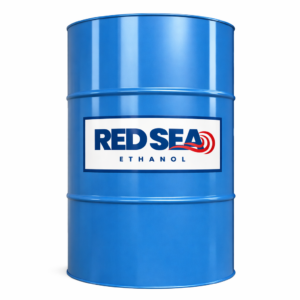
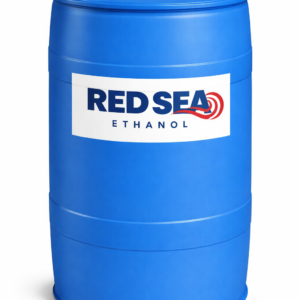
Red Sea Ethanol is supplied in bulk packaging such as 220 L barrels, 205 L barrels, IBC tanks, and ISO tanks, which is suitable for industrial blending and large‑scale filling operations.
From an SFDA perspective, accurate HS codes, grade descriptions, and safety data sheets are essential to avoid misclassification during customs and inspection.
Bulk packaging and SFDA scrutiny
For large‑volume imports, SFDA and port authorities often look closely at ISO tank and IBC shipments, particularly when product labels reference pharmaceutical purity.
Importers should ensure that industrial ethanol and perfumery ethanol are clearly labeled to avoid confusion with medical grade ethanol at the port.
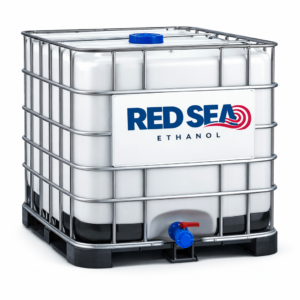
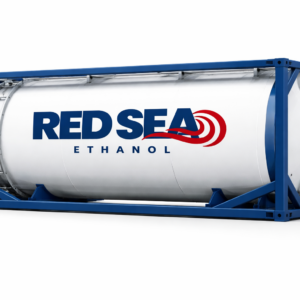
In our documentation, we specify that Red Sea Ethanol 99.9% is anhydrous ethyl alcohol for perfumery and industrial applications, helping importers keep SFDA and customs declarations aligned.
This reduces the risk of shipments being held due to perceived mislabeling or misclassification.
5. Medical Grade Ethanol: Supporting SFDA‑Regulated Pharma and Hospital Use
Ethanol for medical disinfection and hospital sanitization
Medical grade ethanol is central to ethanol for medical disinfection, ethanol for hospital sanitization, and ethanol for antiseptic production.
For these use cases, SFDA focuses on both purity and consistency, since residual impurities can affect formulation performance or compatibility with medical devices and surfaces.
Our ethanol 99.9% medical grade range covers laboratory, medical, and industrial use cases that demand more stringent controls than standard industrial ethanol.
These products are used as ethanol solvent in pharmaceutical manufacturing, in cleanroom sanitizers, and in controlled antiseptic production processes.
From an SFDA perspective, hospitals and pharmaceutical manufacturers using ethanol for hand sanitizer or surface disinfectants must be able to trace each batch back to a compliant ethanol supplier.
Local production in Saudi Arabia helps simplify this traceability, since SFDA can audit the ethanol production plant directly when required.
Laboratory and chromatography grade considerations
For ethanol for laboratory use and ethanol for chromatography, SFDA and institutional buyers focus on analytical consistency and impurity control.
We provide high purity ethanol suitable for HPLC and other analytical workflows, supporting accurate method validation and routine testing.
Laboratory grade ethanol underpins many QC and R&D activities for SFDA‑regulated manufacturers.
Accurate COA data and batch traceability are essential when these labs support registration or post‑marketing surveillance studies.
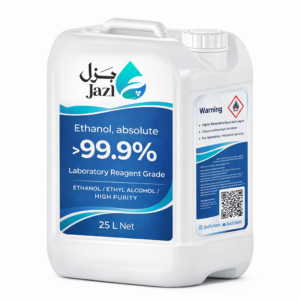
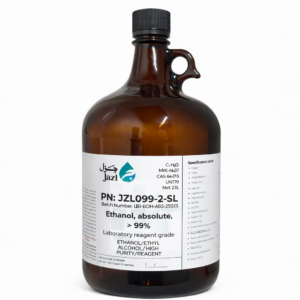
For importers bringing in specialty lab ethanol or ethanol for chromatography, aligning specifications with SFDA‑recognized analytical standards and providing method validation support can ease institutional approvals.
Our team can discuss method compatibility and impurity thresholds with your QA and QC leads where needed.
6. Denatured Ethanol, Bioethanol, and Industrial Grades Under SFDA Oversight
Not all ethanol entering Saudi Arabia is pharmaceutical grade, but SFDA and other authorities monitor non‑pharma grades that intersect with health products.
Denatured ethanol and bioethanol industrial use, for example, must be carefully documented so that denaturants and feedstocks are clear to regulators.
Industrial ethanol used in non‑medical cleaning, manufacturing, or fuel applications typically follows different regulatory pathways.
However, when industrial ethanol is used adjacent to healthcare or cosmetic environments, importers should anticipate questions from SFDA and other regulators about cross contamination and grade separation.
As an ethanol manufacturer with both pharma and industrial product lines, we maintain strict segregation of production streams, storage, and documentation for medical grade ethanol versus industrial ethanol.
This separation supports clear declarations and reduces compliance risk when customers import different grades into the Kingdom.
For denatured ethanol, importers must ensure that the denaturants are clearly listed, legally permitted, and compatible with the intended end products.
Misdeclared denaturants or unclear formulations can result in delays or refusals at SFDA‑supervised ports.
Clarifying bioethanol industrial use
Bioethanol for industrial use is often marketed as a sustainable alternative to petrochemical ethanol.
From an SFDA perspective, the critical question is whether the bioethanol feeds into regulated health products, in which case pharma‑equivalent quality and documentation are still required.
When bioethanol is exclusively used in non‑health industrial settings, SFDA may play a more limited role, with other ministries taking the lead.
Even then, clear documentation helps ensure that the product is not mistakenly routed through SFDA drug channels, which can delay clearance.
7. Documentation SFDA Expects from Ethanol Importers
Successful pharma ethanol imports into Saudi Arabia start with well prepared documentation.
At a minimum, SFDA, customs, and port inspectors will expect to see accurate safety data sheets, batch‑specific certificates of analysis, and clear labeling that matches declared grades.
For medical grade ethanol and pharmaceutical grade ethanol, importers should be ready to share detailed impurity profiles, alignment with pharmacopoeial monographs, and any available GMP or ISO certifications from the ethanol production plant.
If ethanol is used in registered drug products, the product’s registration dossier should also be consistent with the ethanol COA and supplier information.
We support clients with standardized documentation for each shipment, including batch COAs, product specifications, and manufacturing traceability statements.
This helps reduce queries and supports SFDA’s growing emphasis on documentation quality during port inspections.
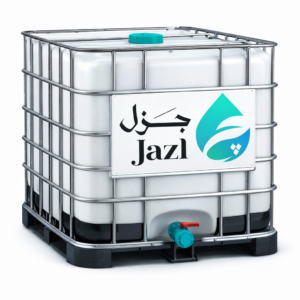
In addition, SFDA may review transport and storage conditions for bulk ethanol supplier shipments, especially for ISO tank and IBC logistics.
Evidence of controlled conditions, compliant tank cleaning, and sealed transfer procedures can all help demonstrate good practice.
What we need from you for a quote
To issue a precise quote for pharma ethanol shipments aligned with SFDA expectations, we typically ask for:
- Required grade and intended use, for example ethanol for hospital sanitization or ethanol for fragrance industry.
- Target purity level, usually absolute ethanol 99.9% or similar.
- Preferred packaging, such as 220 L barrels, IBC tanks, or ISO tanks.
- Estimated annual and per‑shipment volumes.
- Delivery destination in Saudi Arabia or GCC.
- Any specific certification or pharmacopoeial requirements (Ph.Eur., HPLC suitability, etc.).
We then align our production and documentation to match these requirements and advise on any SFDA‑related considerations that may arise.
You can contact our team to discuss specifications and Request a Quote based on your regulatory context.
8. SFDA Inspections, Mislabeling Risks, and How to Avoid Problems
Mislabeling is one of the fastest ways for an ethanol shipment to be delayed or refused.
If a product is declared as medical grade ethanol but carries industrial ethanol impurity levels, SFDA inspectors can treat this as a serious violation.
Importers should avoid vague labels such as “high purity alcohol” without clear grade definitions.
Instead, terms like pharmaceutical grade ethanol, laboratory grade ethanol, or cosmetic grade ethanol should be backed by formal specifications and pharmacopoeial references where applicable.
We consistently describe our pharma products as Pharma Grade Ethanol (Ph.Eur.) or medical grade ethanol 99.9%, and our perfumery and industrial lines as Red Sea Ethanol 99.9% for perfumery and industrial applications.
This clarity helps customs, SFDA inspectors, and buyers understand exactly what they are dealing with.

Importers should also verify that HS codes, customs descriptions, and SFDA declarations are consistent with supplier documentation.
Any discrepancy can trigger manual review, which adds days or weeks to clearance times.
Spotting mislabeling and scams
Given the value of high purity ethanol, mislabeling and counterfeit documentation are real market risks.
Procurement teams should check that COA data, manufacturer identity, and batch numbers line up, and that the ethanol manufacturer can demonstrate real production capacity.
As a local ethanol supplier Middle East buyers can audit more easily, we welcome technical and quality discussions that verify our position as a manufacturing plant rather than a reseller.
This transparency is an important part of navigating SFDA’s high level of inspection activity.
9. Local Manufacturing vs Imports: Strategic Advantages Under SFDA Rules
SFDA’s growing infrastructure of licensed facilities and inspections creates both challenges and opportunities for pharma ethanol users.
Working with a local ethanol manufacturer Saudi Arabia based can significantly simplify traceability, batch release, and regulatory interactions.
Local production reduces lead times, lowers exposure to port delays, and allows SFDA to conduct on‑site inspections of the ethanol production plant when required.
This can increase regulators’ confidence in the supply chain for critical inputs like medical grade ethanol and ethanol solvent for manufacturing.
From a customer standpoint, local supply reduces the need for complex import planning and helps ensure continuity for hospitals, pharmaceutical factories, and laboratories.
This is particularly valuable for high‑volume uses such as ethanol for hospital sanitization, ethanol for hand sanitizer production, and ethanol for chromatography solvents.
For GCC and MENA buyers, sourcing from a pharmaceutical ethanol supplier GCC based in Saudi Arabia can also align with regional regulatory frameworks and mutual recognition arrangements.
This can simplify import procedures in neighboring markets that recognize Saudi quality and regulatory systems.
Role of bulk ethanol supplier capabilities
Bulk ethanol supplier capacity in formats such as ISO tanks, IBCs, and barrels is critical for large pharmaceutical and industrial users.
We have structured our portfolio to support both large facilities and smaller specialty manufacturers, so that SFDA compliance can be maintained across diverse supply sizes.
By combining local manufacturing with bulk distribution formats, we give importers and domestic buyers a practical alternative to long‑distance imports that may face higher regulatory friction.
This directly supports continuity of supply in SFDA‑regulated sectors.
10. Practical Procurement Checklist for SFDA‑Aligned Ethanol Imports
To close the loop between regulation and day‑to‑day purchasing decisions, we recommend that procurement teams use a structured checklist.
This ensures that every order of medical grade ethanol, cosmetic grade ethanol, or industrial ethanol is aligned with SFDA expectations.
Before placing an order, confirm:
- Grade and end use: Clearly identify if you need pharmaceutical grade ethanol, laboratory grade ethanol, cosmetic grade ethanol, or industrial ethanol, and link this to SFDA‑regulated uses such as ethanol for antiseptic production or ethanol for fragrance industry products.
- Purity and specifications: Confirm the required purity, typically absolute ethanol 99.9%, and any specific pharmacopoeial standards.
- Packaging format: Choose barrels, IBC tanks, or ISO tanks according to your storage and SFDA expectations for bulk handling.
- Documentation: Ensure that COAs, SDS, and certifications match the grade and purity you plan to declare to SFDA.
- Supplier status: Verify that you are dealing directly with an ethanol production plant or a transparent ethanol supplier with traceable sources.
When Requesting a Quote from us, include:
- Required grade and purity, such as pharmaceutical grade ethanol 99.9% or perfumery ethanol 99.9%.
- Volume per shipment and total projected annual demand.
- Preferred packaging and delivery schedule.
- Destination facility type, for example hospital pharmacy, pharma factory, cosmetic plant, or analytical lab.
- Any special regulatory notes, such as planned SFDA registration or specific documentation you need.
We then align our manufacturing, packaging, and documentation so that your imports fit smoothly into SFDA’s regulatory and inspection environment.
This structured approach helps you focus on production and patient‑facing activities while we manage the ethanol side with a clear compliance mindset.
Conclusion
SFDA guidelines for pharma ethanol imports are part of a broader regulatory system that is growing in scope, speed, and enforcement intensity.
For importers and domestic buyers of medical grade ethanol, pharmaceutical grade ethanol, and related grades, success depends on aligning product specifications, documentation, and usage with SFDA expectations from the outset.
As a Saudi ethanol manufacturing plant, we focus on high purity ethanol, clear grade separation, and rigorous documentation that support SFDA compliance for pharma, cosmetic, laboratory, and industrial clients.
If you are planning new ethanol imports or want to rationalize your current supply, we encourage you to talk to our team about your required purity and specifications so we can support a compliant, reliable solution for your operations.