
Non‑mutagenic impurities can often be controlled with generic limits of 5 mg/day for short‑term use and 1 mg/day for lifelong exposure, yet many manufacturers still struggle to translate such principles into day‑to‑day Ph.Eur impurity control. In this article we share how we, as an ethanol manufacturing plant supplying pharma and lab users, structure impurity‑focused quality systems that meet European Pharmacopoeia expectations in a practical, scalable way.
Key Takeaways
| Question | Concise Answer |
|---|---|
| How do we start building a Ph.Eur impurity strategy? | Begin with a structured impurity risk assessment covering process‑related, degradation and elemental impurities, then align specifications and methods accordingly. Our overview of products at United Beta Industries products shows how we apply this to high‑purity ethanol. |
| What type of solvent quality supports Ph.Eur impurity limits? | Use pharma or lab‑grade materials with clearly defined impurity profiles and GMP documentation. For example, our Ethanol 99.9% medical‑grade 25 L is manufactured with impurity control as a core design input. |
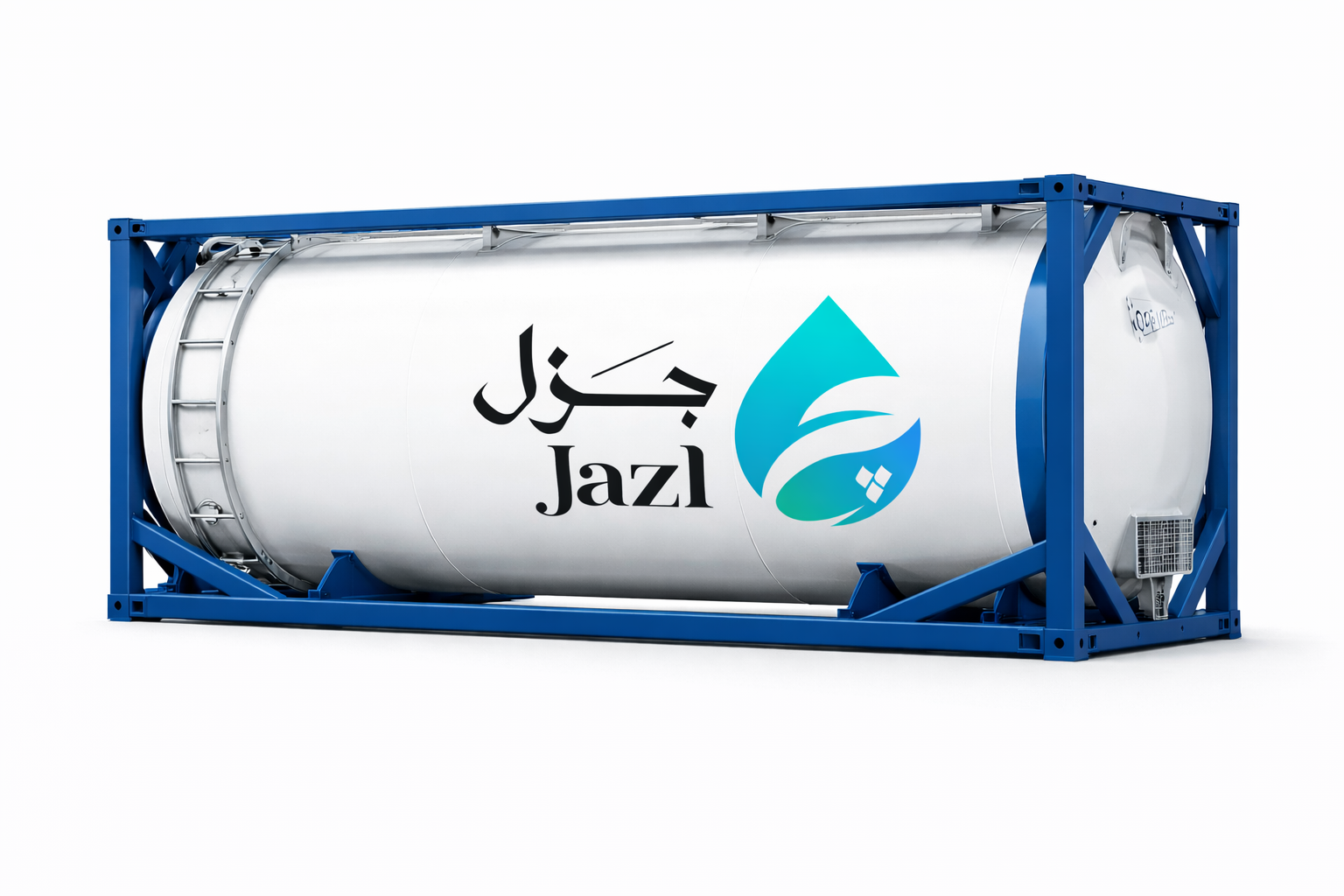
| How should bulk vendors support our impurity compliance? | Vendors should provide robust CoAs, change control and traceability from plant to container. You can see our approach in bulk on our Ethanol 99.9% ISO tank page. |
| Do elemental impurities matter for solvents? | Yes. Elemental impurity data and risk assessments, supported by shared databases and supplier information, are critical. Our industrial line, such as Red Sea Ethanol 99.9% ISO tank, is controlled from raw material to final packing. |
| How can we prepare for inspections focused on impurity control? | Maintain documented risk assessments, validation reports and deviation investigations that link directly to Ph.Eur limits. Our company profile at About United Beta Industries outlines our plant‑based manufacturing and quality philosophy. |
| What procurement details should we define for impurity‑sensitive materials? | Specify required grade, impurity expectations, packaging and documentation in your RFQs. Our guidance for buyers in the Contact us section is built around these points. |
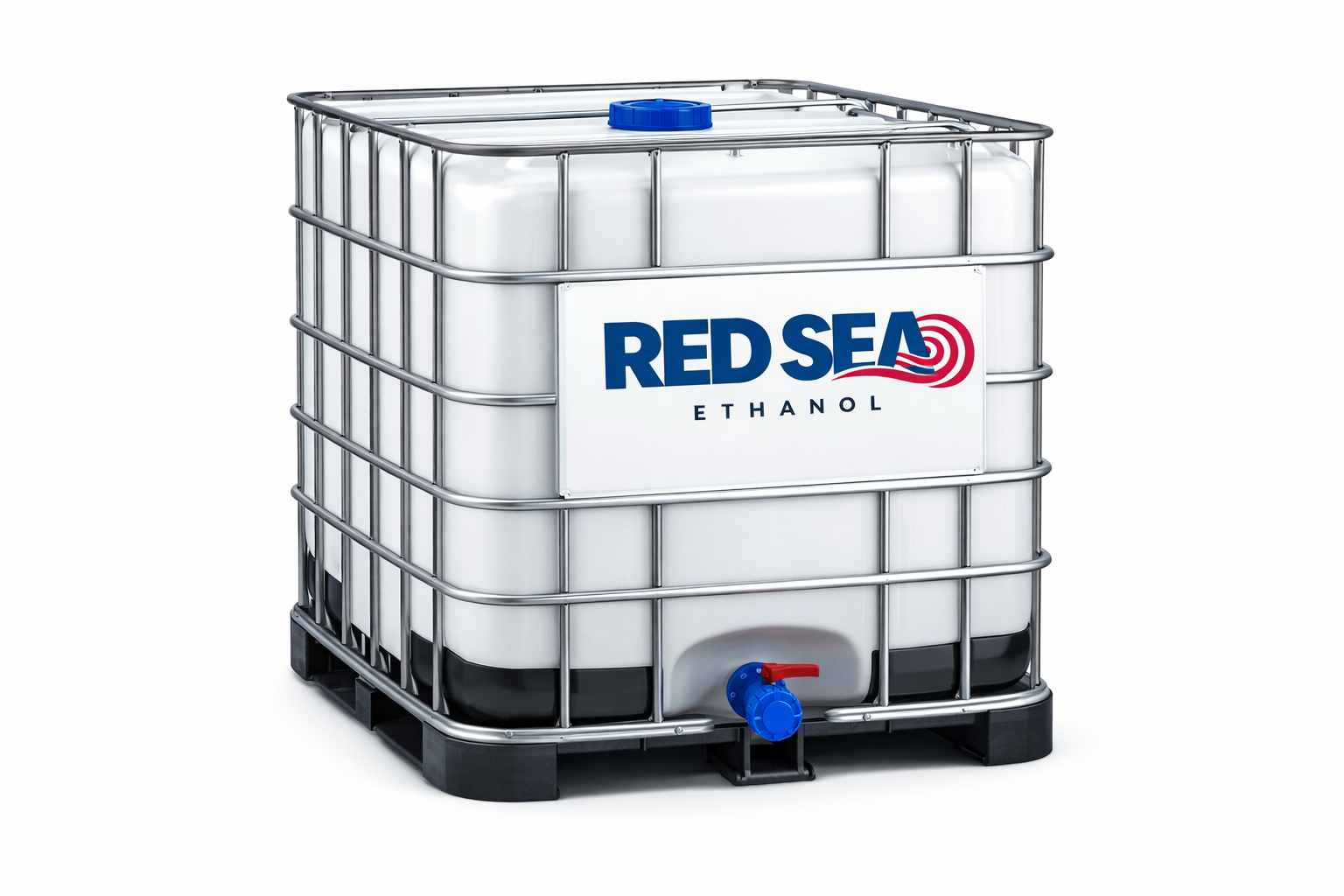
| Where can we see practical impurity‑oriented packaging options? | Consider container size and material as part of impurity risk control, for example our Ethanol 99.9% IBC tank for controlled large‑volume supply. |
Understanding Ph.Eur Impurity Limits: Scope, Types, And Regulatory Context
Ph.Eur impurity limits define what levels of related substances, residual solvents, elemental impurities and specific classes like nitrosamines are acceptable in pharmaceutical substances and products. To comply reliably, we first separate impurities into categories such as organic process‑related impurities, degradation products, elemental impurities and special case impurities like nitrosamines.
These categories align with ICH Q3A/B for organic impurities, ICH Q3D for elemental impurities, and evolving nitrosamine expectations that many regulators mirror in their own guidance. For example, FDA lists an acceptable intake for NDMA at 96 ng/day, which sets a very low tolerance that impacts how we design processes and analytical capability for sensitive products.
Operationally, Ph.Eur chapters and monographs give reporting, identification and qualification thresholds, often linked to maximum daily dose of the final product. We use these thresholds during development to decide which impurities need to be monitored routinely, which need identification, and which trigger deeper toxicological qualification.
Because Ph.Eur is tightly connected to GMP, inspection data shows how weaknesses in impurity systems can lead directly to compliance findings. In 2024, for example, EMA conducted 210 GMP inspections and issued 10 non‑compliance statements, several driven by deficiencies in impurity or contamination control that could have been avoided with a more proactive strategy.
Building A Robust Impurity Risk Assessment Aligned With Ph.Eur
We treat impurity risk assessment as the backbone of Ph.Eur compliance, not as a one‑time paperwork exercise. For every product, we map potential impurity sources vertically, from raw materials and utilities to packaging and distribution, and horizontally, across each unit operation of the process.
For organic impurities and degradation products, we combine process knowledge, stress studies and available toxicology data to classify which species are likely to appear and how they might behave over shelf life. For non‑mutagenic impurities, robust data show that only 2.4 percent of more than 2,200 evaluated compounds are highly potent, which supports a structured, risk‑based approach to qualification and monitoring.
Elemental impurities are addressed via ICH Q3D‑style assessments, where we classify elements by toxicity, volatility and process relevance, then combine supplier data, published datasets and in‑house measurements. The Vitic Elemental Impurities database, for instance, now contains over 3,100 data records for 306 excipients, which we use along with our own measurements to refine realistic worst‑case assumptions.
For nitrosamines and other specific hazard classes, we integrate both Ph.Eur requirements and external guidance, such as FDA and EMA lists of acceptable intake limits, into our risk models. This approach lets us predefine which control points and methods will be necessary long before commercial launch, which reduces surprises during regulatory review or inspection.
A concise visual guide for meeting Ph.Eur impurity-limits, outlining a 5-step path to compliance.
Designing Specifications And Limits That Match Ph.Eur Expectations
Once we understand the impurity risks, we translate them into practical specifications that reflect Ph.Eur general monographs, product‑specific monographs and ICH guidance. We typically define three tiers: routine quality attributes, Ph.Eur‑driven impurity tests and additional internal monitoring that strengthens trend analysis.
For non‑mutagenic impurities, generic limits such as 5 mg/day up to 6 months and 1 mg/day for lifelong exposure provide a baseline to decide whether observed impurities require detailed qualification. We then adjust individual impurity specifications to remain comfortably below these exposure limits across the intended dose range of the finished dosage forms that will use our ethanol as a solvent or processing aid.
Where Ph.Eur monographs exist for a substance, we set our release limits at least as strict as, and often tighter than, the pharmacopoeial values. This gives our customers margin in their own formulations and makes it easier for them to justify compliance in their marketing authorisation dossiers.
We also pay attention to cross‑pharmacopoeial alignment, because Ph.Eur, USP and other standards are increasingly harmonized. For example, USP General Chapter <477> on organic impurities now enables user‑determined reporting thresholds, which we harmonize with Ph.Eur thresholds to keep our global customers aligned across regions.
Analytical Methods, Validation, And Routine Control For Impurities
Meeting Ph.Eur impurity limits in practice depends on having analytical methods that are both suitable and validated for the intended purpose. We design methods for related substances, residual solvents and elemental impurities with clear targets for sensitivity, selectivity, precision and robustness that are aligned with Ph.Eur and ICH Q2 expectations.
For organic impurities in ethanol, HPLC and GC methods are typically used to quantify low‑level by‑products, denaturants or degradation products. We validate these methods across the expected impurity range and ensure they can detect and quantify at or below Ph.Eur reporting and identification thresholds, giving our customers defensible data for their own submissions.
Elemental impurities are usually measured via techniques such as ICP‑MS, with limits defined according to ICH Q3D and adopted regionally, like the TGA’s 2024 adoption of Q3D(R2). We cross‑reference these limits with our own plant‑specific background data and monograph expectations to select appropriate partial or full profiles for each grade of ethanol we manufacture.
Routine control plans then set testing frequencies based on risk and historical data. For high‑volume, medically oriented products we test every batch for core impurity attributes, while for more stable industrial grades we may use skip‑testing with strong trending and periodic full verification to demonstrate ongoing control.
Supplier And Solvent Control: Why High‑Purity Ethanol Quality Matters
Many Ph.Eur compliance problems originate upstream, where raw materials, solvents or auxiliaries introduce trace impurities that accumulate in the drug substance or product. Because we operate as a manufacturing plant rather than a trader, we control ethanol production from feedstock through distillation and dehydration, which gives us direct leverage over impurity formation.
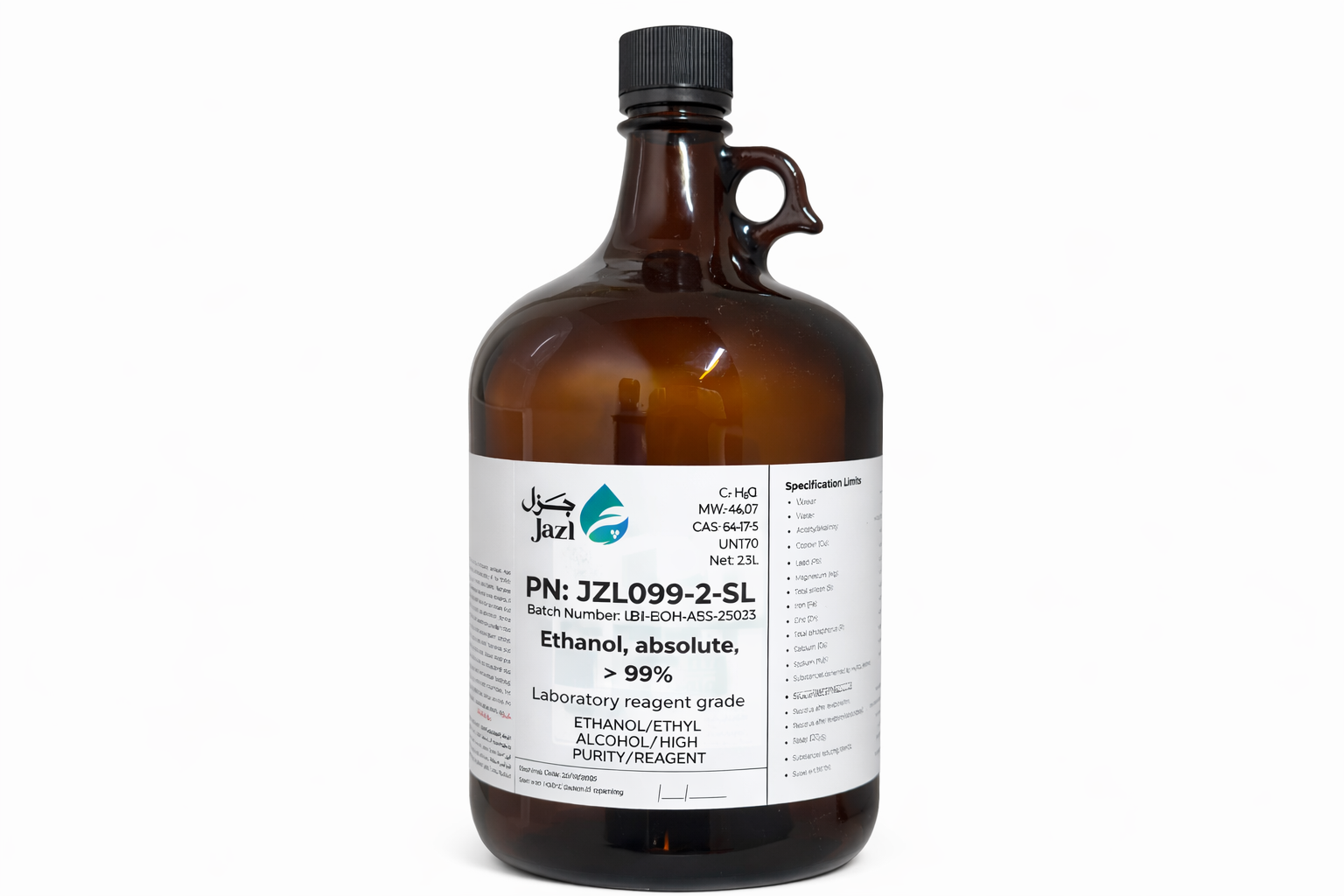
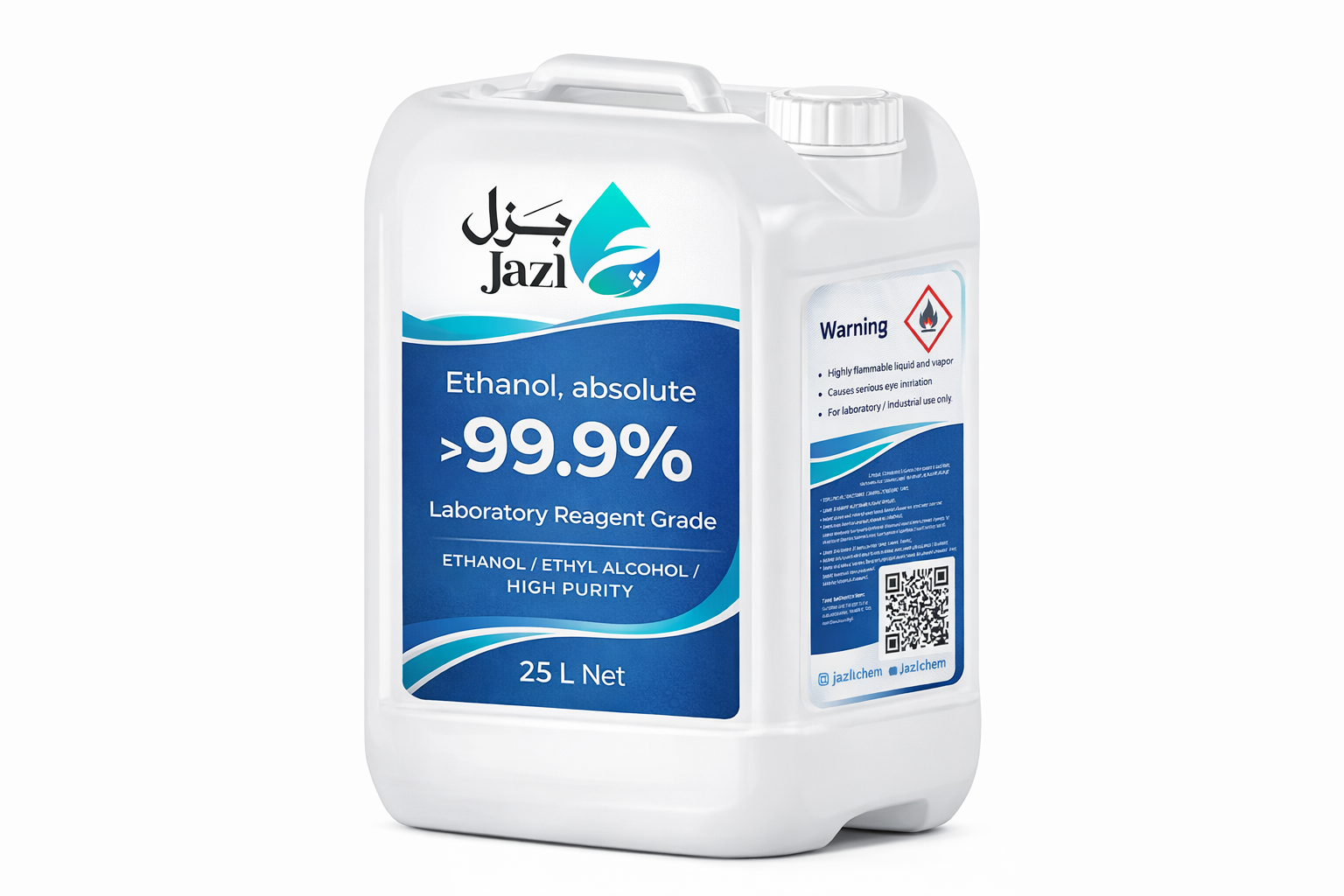
Our medical‑grade ethanol at 99.9 percent purity is designed for laboratory, medical and healthcare industrial applications, where rapid evaporation and low residue are critical. By tightly controlling water content, fusel oils and other organic by‑products, we help downstream manufacturers meet strict Ph.Eur and ICH impurity expectations in their own processes.
For industrial and perfumery applications, our Red Sea Ethanol 99.9 percent line focuses on low moisture and consistent organic impurity profiles that support stable fragrance and cosmetic formulations. Even where Ph.Eur is not directly targeted by the end use, we keep impurity control principles consistent, which simplifies qualification when customers use these grades in regulated settings like topical medicines or medical devices.
When you qualify any solvent supplier, we recommend asking for detailed impurity profiles, batch CoAs, information on process controls that limit impurity variability, and clear statements about what pharmacopoeial or internal limits the supplier applies. These documents should be part of your own impurity risk assessments and regulatory submissions.
Packaging, Storage, And Distribution: Preventing Impurity Drift
Ph.Eur impurity compliance is not only a question of what leaves the plant on the day of manufacture, but also how the product behaves through storage and distribution. We select packaging formats and materials to minimize leachables, adsorption and evaporation, which can change impurity patterns or concentration over time.
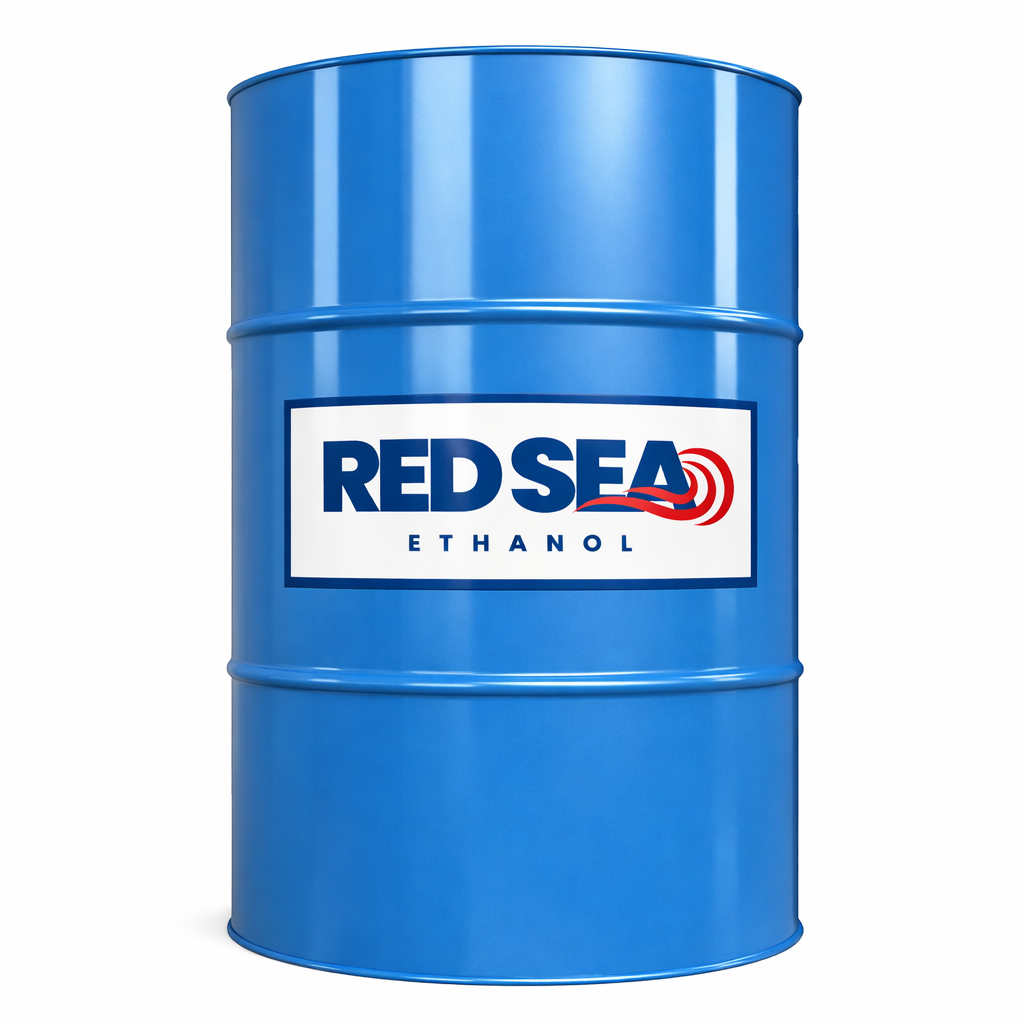
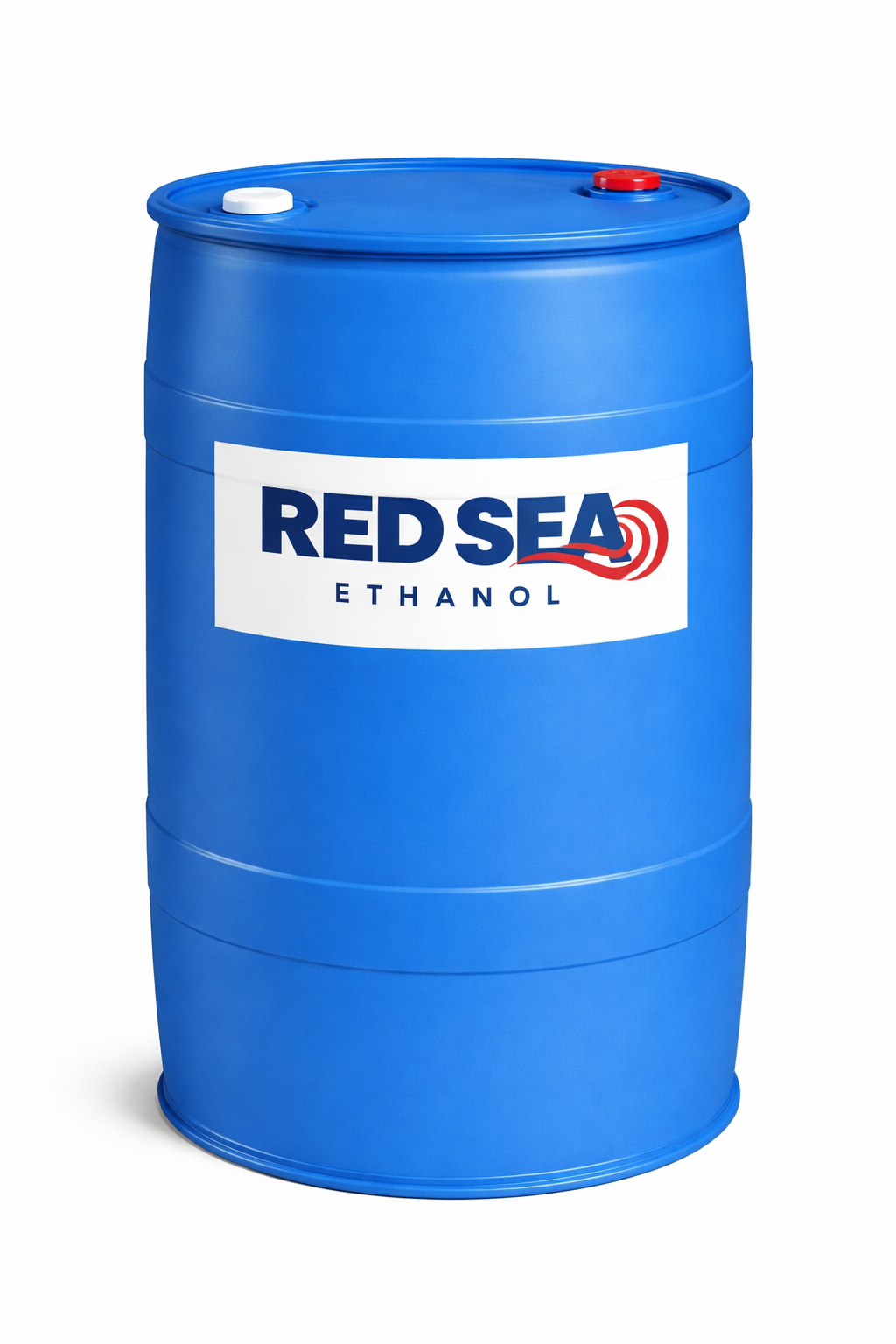
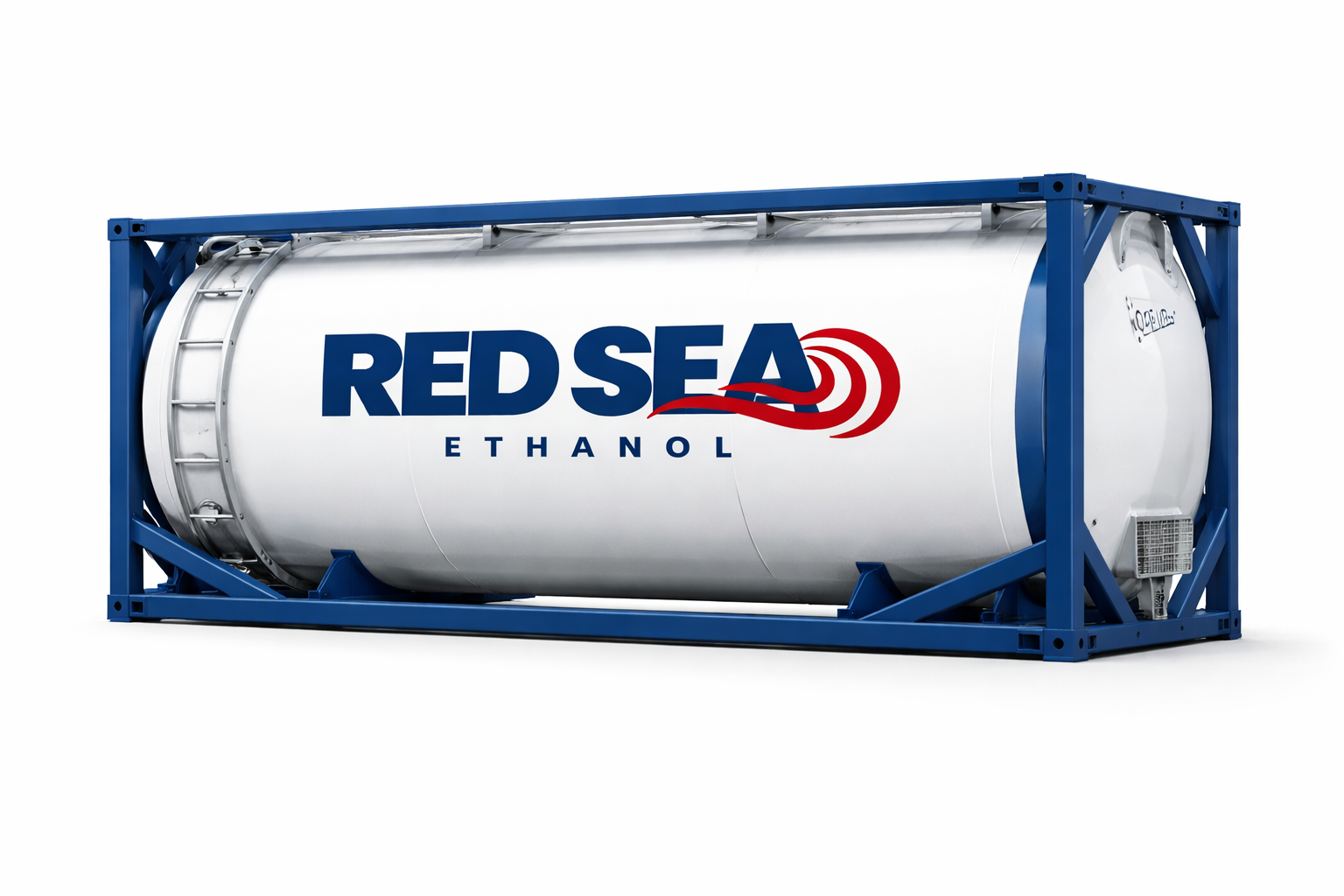
For medical‑grade ethanol, we offer 25 L containers, 220 L barrels, IBC tanks and ISO tanks, each with appropriate closures and handling guidelines. These options let customers match container size and material to their own internal consumption rate, which reduces partial‑container storage times and the associated risks of contamination or degradation.

We also define storage temperature ranges, ventilation and segregation from incompatible materials to avoid impurity formation such as peroxides or reaction products. Our Safety Notices emphasize that ethanol is highly flammable and should be kept away from ignition sources in cool, dry and ventilated areas, which also supports chemical stability.
Distribution controls include transport conditions, sealing integrity and documentation of batch numbers across the logistics chain. When customers receive product, they can easily verify identity and batch traceability, which is essential for impurity investigations or recalls if an issue is ever detected.
Nitrosamines And Other Special‑Risk Impurities Under Ph.Eur
Nitrosamines represent a special impurity category with extremely low acceptable intake limits and intense regulatory focus. Ph.Eur texts, combined with EMA and FDA guidance, require manufacturers to proactively assess the risk of nitrosamine formation, including those arising from solvents, reagents and raw materials.
For us as an ethanol producer, this means scrutinizing feedstocks, process chemicals and utilities that could introduce nitrosamine precursors or nitrosating agents. We design and periodically review control strategies that minimize such risks, then support customers with documentation explaining how nitrosamine risks have been considered and mitigated in our process.
Acceptable intake limits, like the 96 ng/day limit for NDMA in the FDA tables, illustrate how tight these specifications can be. Such values are orders of magnitude lower than typical non‑mutagenic impurity limits measured in milligrams per day, so they demand both sensitive analytical methods and conservative process design.
We recommend that customers integrate our impurity documentation into their own nitrosamine risk assessments, cross‑check potential carryover routes and define contingency plans if new information or updated guidance requires future tightening of limits or additional analytical work.
Documentation, Trending, And Preparing For Inspections
From an inspector’s perspective, effective impurity control is visible in documentation, trend analysis and how a site reacts when data deviate from expectations. We keep process descriptions, risk assessments, validation reports and batch data logically linked so that any impurity trend can be traced back to specific steps, materials or equipment.
Trend charts for key impurity attributes are reviewed at defined intervals, and any drift, even within specification, triggers investigation criteria. This approach gives us early warning long before a batch might fail against a Ph.Eur limit, and it provides clear evidence of ongoing process understanding that is valued in GMP inspections.
When audits or inspections occur, we provide a clean narrative that starts from Ph.Eur requirements, shows how those have been translated into plant specifications and methods, and ends with real‑world data that demonstrate control. This reduces the risk of surprise findings and builds confidence in our materials as part of our customers’ compliance strategies.
Given that hundreds of GMP inspections each year result in a modest but meaningful number of non‑compliance statements and recalls, a strong impurity documentation chain is one of the most efficient risk‑reduction tools available to quality and regulatory teams.
Training, Governance, And Continuous Improvement In Impurity Control
Ph.Eur impurity expectations and related ICH guidance continue to evolve, so we treat impurity control as a living system rather than a static set of SOPs. Regular training for production, QC, QA and regulatory staff ensures that new chapters, corrigenda or external guidance are understood and implemented consistently.
We align internal training programs with external initiatives, such as EDQM modules on impurity control, and update our procedures accordingly. This keeps our teams familiar with current thinking on topics like specification setting, cross‑text alignment and innovative analytical approaches.
Governance frameworks, such as impurity review boards or cross‑functional quality councils, provide forums to evaluate new findings, change requests or deviations in a structured way. These teams can then adjust specifications, sampling plans or supplier requirements as needed without losing alignment with Ph.Eur limits.
Finally, we treat customer feedback and regulatory queries as valuable input to further refine our impurity strategies. When customers share their own risk assessments or inspection experiences, we use that information to strengthen both our products and the documentation support we provide.
Procurement Best Practices: What We Need From You For A Quote
For buyers in pharma manufacturing, hospitals, and analytical labs, impurity control should be central to procurement decisions, not an afterthought. When you request a quote for high‑purity ethanol, the more impurity‑relevant detail you provide, the better we can match or define an appropriate specification.
We recommend that RFQs for impurity‑sensitive applications specify at least the intended use, required minimum purity, any applicable pharmacopoeial reference (for example Ph.Eur solvent use), expected volume and preferred packaging format. It also helps to highlight any specific impurity sensitivities, such as elemental limits, aldehydes or residual solvents of particular concern in your formulations.
In practical terms, the core information we need to prepare a precise quote and technical offer comprises:
- Required purity and grade (for example medical, lab or industrial, plus any Ph.Eur or ICH references).
- Estimated annual or campaign volume and delivery frequency.
- Preferred packaging (2.5 L, 25 L, 205 L or 220 L barrels, IBC or ISO tank) and delivery location.
- Certification needs (for example GMP, specific pharmacopoeial compliance statements, impurity data packages).
With this information, we can confirm availability of suitable specifications, share detailed impurity documentation and design a supply plan that supports your own Ph.Eur impurity compliance strategy.
Conclusion
Ph.Eur impurity limits compliance is the outcome of many disciplined decisions, from raw material sourcing and process design to analytical methods, packaging and documentation. As an ethanol manufacturing plant focused on high purity and technical education, we design our products, such as 99.9 percent medical‑grade and industrial ethanol, to support your impurity control needs from the outset.
By combining robust risk assessments, well‑justified specifications, validated methods and transparent documentation, you can reduce regulatory risk and simplify audits while keeping product quality consistent. If you are planning or reviewing your impurity strategy and want to discuss solvent requirements or documentation packages, we invite you to talk to our team about your required purity and specification so we can support you with plant‑level control that aligns with Ph.Eur expectations.
