
Pharma companies are moving fast toward higher purity solvents, and as USP updates like <661.1> and <661.2> take effect in 2025, material compatibility with ethanol is no longer a “nice to have”, it is a qualification requirement for every packaging system that contacts your product.
Ethanol is an excellent solvent, but that same solvency makes it aggressive toward many plastics, elastomers, and coatings, which can lead to leachables, label failure, and even product rejection if the wrong packaging is used.
Key Takeaways
| Question | Concise Answer |
|---|---|
| What makes “pharma ethanol” packaging different from standard industrial ethanol packaging? | Packaging for pharmaceutical grade ethanol must be qualified under pharmacopeial chapters such as USP <661.2>, focusing on extractables, leachables, and closure integrity. At United Beta Industries, our medical grade ethanol in 25 L to ISO tanks is supplied in containers selected and validated for high purity, lab and healthcare use via our bulk ethanol shop. |
| Why is ethanol so challenging for plastic containers? | Ethanol is a polar organic solvent that can swell polymers and extract additives. Studies show measurable plasticizer migration into ethanol–water mixtures, so container materials for medical grade ethanol must be carefully screened. |
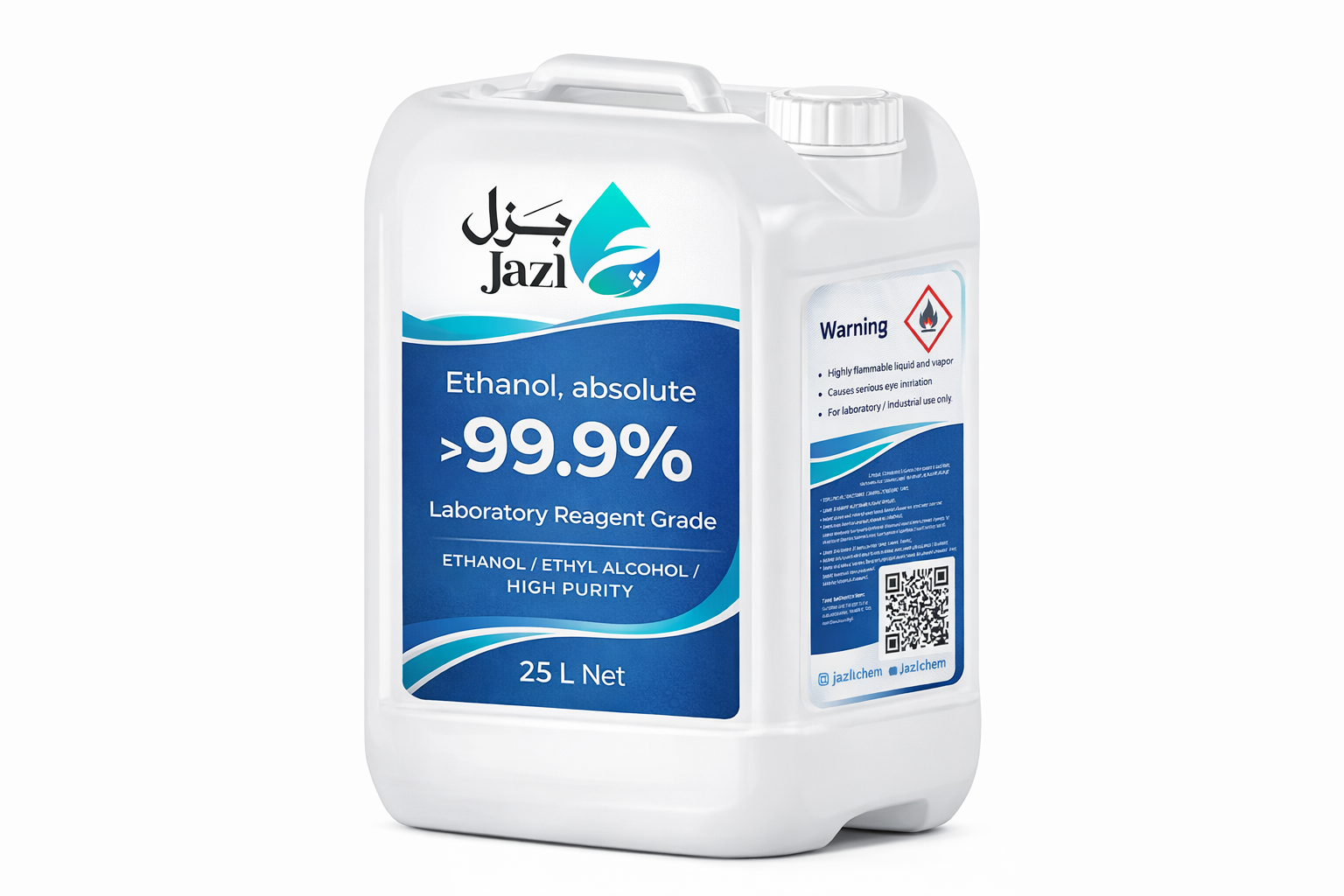
| Which packaging formats are most common for pharma ethanol? | For absolute ethanol 99.9% and high purity ethanol, the most used formats are 2.5 L to 25 L canisters, 205–220 L drums, IBCs, and ISO tanks. You can see the available range on our 220 L medical grade ethanol barrel page. |
| Do fragrances and cosmetics need the same packaging controls as injectable pharma? | The risk profile is different, but packaging for perfumers alcohol, ethanol for perfume manufacturing and ethanol for the fragrance industry still needs to manage solvent stress, odor pickup, and discoloration, especially at 99.9% purity, such as our Red Sea anhydrous range. |
| How do I choose between barrel, IBC, and ISO tank for ethanol used in hospitals or labs? | It depends on daily consumption, storage constraints, and transfer systems. Our 25 L medical containers suit labs, 205–220 L barrels fit hospital compounding and disinfection, and IBC or ISO tanks serve large plants. You can compare options starting from our medical grade IBC ethanol overview. |
| What should procurement teams ask for before buying bulk ethanol in the GCC? | Ask for COA, batch traceability, container specification (material, lining, closures), and origin from a local ethanol production plant. As a pharmaceutical ethanol supplier in the GCC, we always advise teams to request documented material compatibility before issuing a long term contract. |
1. Why Material Compatibility Matters For Pharma Ethanol Packaging
Choosing the right packaging for pharmaceutical grade ethanol is about more than preventing leaks.
It is about controlling extractables, preserving purity, and meeting regulatory expectations for products that will be used in critical medical and laboratory environments.
Ethanol is a powerful solvent that can mobilize additives in plastics, adhesives, and elastomers.
In a 50/50 ethanol water medium, leaching ratios for several common PVC plasticizers have been measured in the 0.006 to 0.12 range, which is enough to impact sensitive formulations over time.
For medical grade ethanol that will be used as ethanol for medical disinfection, ethanol for hospital sanitization, or as a process solvent in sterile manufacturing, even trace contaminants are a concern.
This is why we design our packaging choices at the same time that we design our ethanol specifications, not after.
Pharma Ethanol Use Cases That Stress Packaging
High purity ethanol used as an ethanol solvent touches a wide range of environments, from cold storage to warm filling lines.
It is used as ethanol for hand sanitizer, for ethanol for antiseptic production, and as ethanol for laboratory use, and each use combines different temperatures, contact times, and mechanical stresses that packaging must withstand without failure.
2. Understanding High Purity Ethanol Grades And Their Packaging Needs
Before we select materials, we look at the grade and intended use of the ethanol itself.
Different grades carry different expectations for packaging cleanliness and regulatory documentation.
- Medical grade ethanol and pharmaceutical grade ethanol require low impurity profiles and documented compatibility with medical contact materials.
- Laboratory grade ethanol and ethanol for chromatography need packaging that does not contribute background peaks or unknowns in analytical work.
- Cosmetic grade ethanol and perfumers alcohol must avoid odor pickup, yellowing, or haze that could damage the final product.
- Industrial ethanol or bioethanol industrial use can tolerate a wider range of packaging, but compatibility still affects shelf life and equipment integrity.
For absolute ethanol 99.9%, trace moisture and contaminant control is critical.
Packages must have very low permeability and low extractables, with closures that maintain a consistent seal after repeated opening in a lab or compounding environment.
Bulk Volumes And Packaging Strategy
We offer high purity ethanol from 2.5 L containers through 205–220 L barrels and up to IBC and ISO tanks, so our customers can match material risk to batch size.
Smaller containers reduce the risk of repeated closure stress, while large format units like IBC and ISO tanks need stronger structural materials and better venting systems, but have fewer closures per liter of ethanol.
3. Regulatory Drivers: USP <661.1> and <661.2> For Ethanol Packaging Systems
Regulatory expectations are catching up with practical experience in ethanol compatibility.
USP has split its plastics guidance into USP <661.1> for Plastic Materials of Construction and USP <661.2> for Plastic Packaging Systems for Pharmaceutical Use, both becoming official on December 1, 2025, which directly affects how ethanol packaging is qualified.
These chapters move the focus from a one time material check to a full system perspective, including closure, labels, gaskets, and any internal linings.
For ethanol for laboratory use and ethanol for medical disinfection, that means real data on extractables and leachables in ethanol rich media, not just water based simulants.
We design our packaging systems to align with these expectations, especially for our medical and laboratory grade lines that are used in pharma, diagnostic, and hospital environments.
Compare four material options for pharma ethanol packaging at a glance. This infographic highlights key compatibility considerations to guide material selection.
4. Common Container Materials For High Purity Ethanol: Pros And Cons
In practice, most pharma and lab operations see four broad categories of contact materials for ethanol: metals, fluoropolymers, polyolefins, and PVC based systems.
Each has a distinct risk profile when it comes to extractables, stress cracking, and long term storage.
| Material Type | Typical Use With Ethanol | Strengths | Key Risks With 99.9% Ethanol |
|---|---|---|---|
| Stainless steel | ISO tanks, internal piping | Very low extractables, robust, temperature tolerant | Requires high quality welding and passivation to avoid corrosion sites |
| HDPE / Polyolefin drums | 205–220 L barrels, some IBCs | Good mechanical strength, widely accepted for ethanol | Potential stress cracking, needs additive control and correct closures |
| Fluoropolymer linings | Specialty drums, closures | Excellent chemical resistance, low migration | Cost, and need to validate lining integrity over time |
| PVC and flexible materials | Tubing, small bags in some systems | Flexible and easy to process | Plasticizer migration into ethanol rich media, especially over time |
Our own portfolio of absolute ethanol 99.9% products uses rigid containers and tanks designed for long term handling of high purity solvent.
We focus on minimizing plasticizer content, specifying stable additives, and qualifying any polymer metal contact surfaces used in the packaging system.

5. Barrels, IBCs, And ISO Tanks: Matching Container Type To Ethanol Application
205–220 L Barrels For Medical And Industrial Ethanol
Barrels are the workhorses of ethanol logistics for hospitals, contract manufacturers, and industrial plants.
For ethanol for hospital sanitization, ethanol for antiseptic production, and high throughput ethanol for perfume manufacturing, 205–220 L barrels balance handling convenience with reasonable batch size.
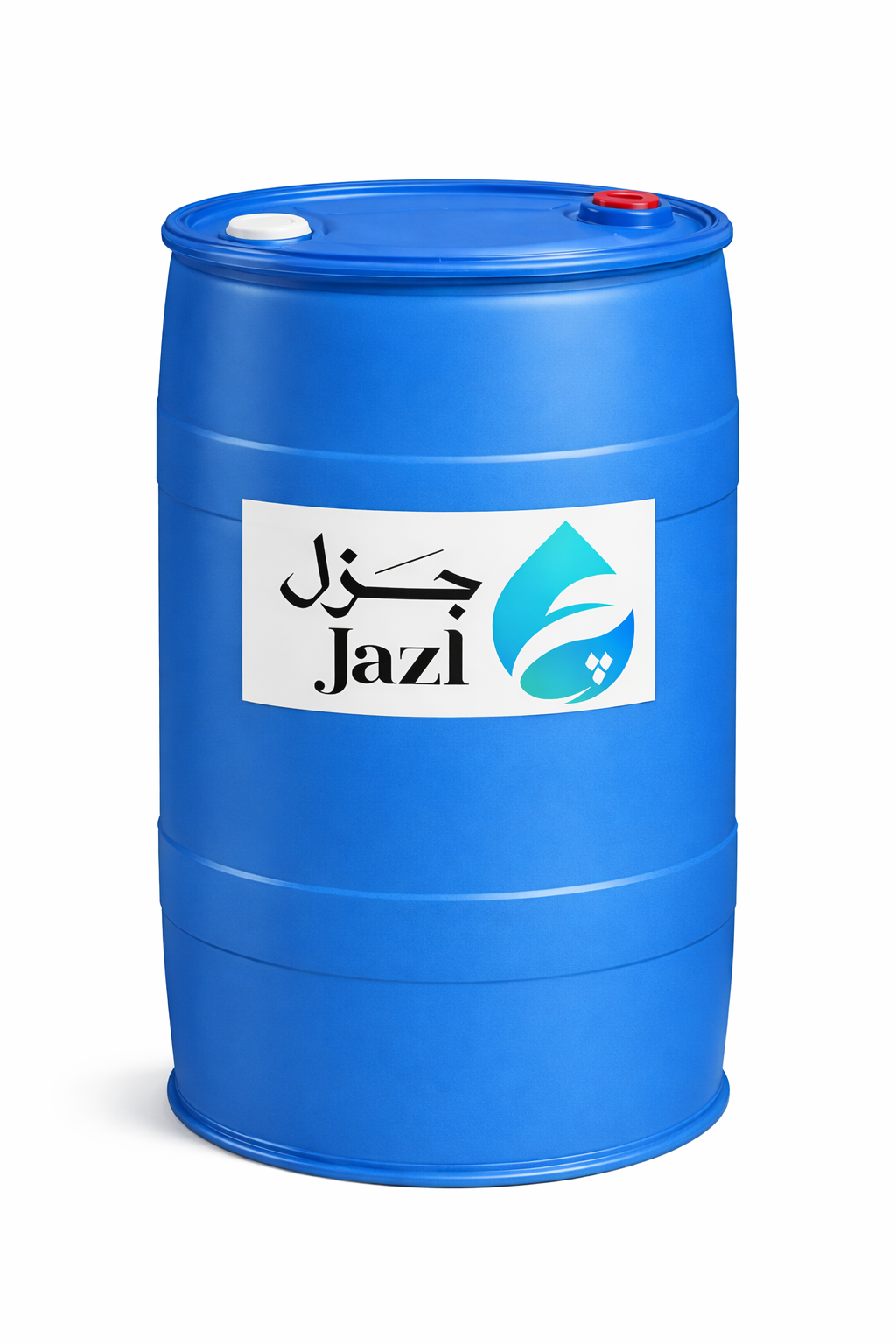
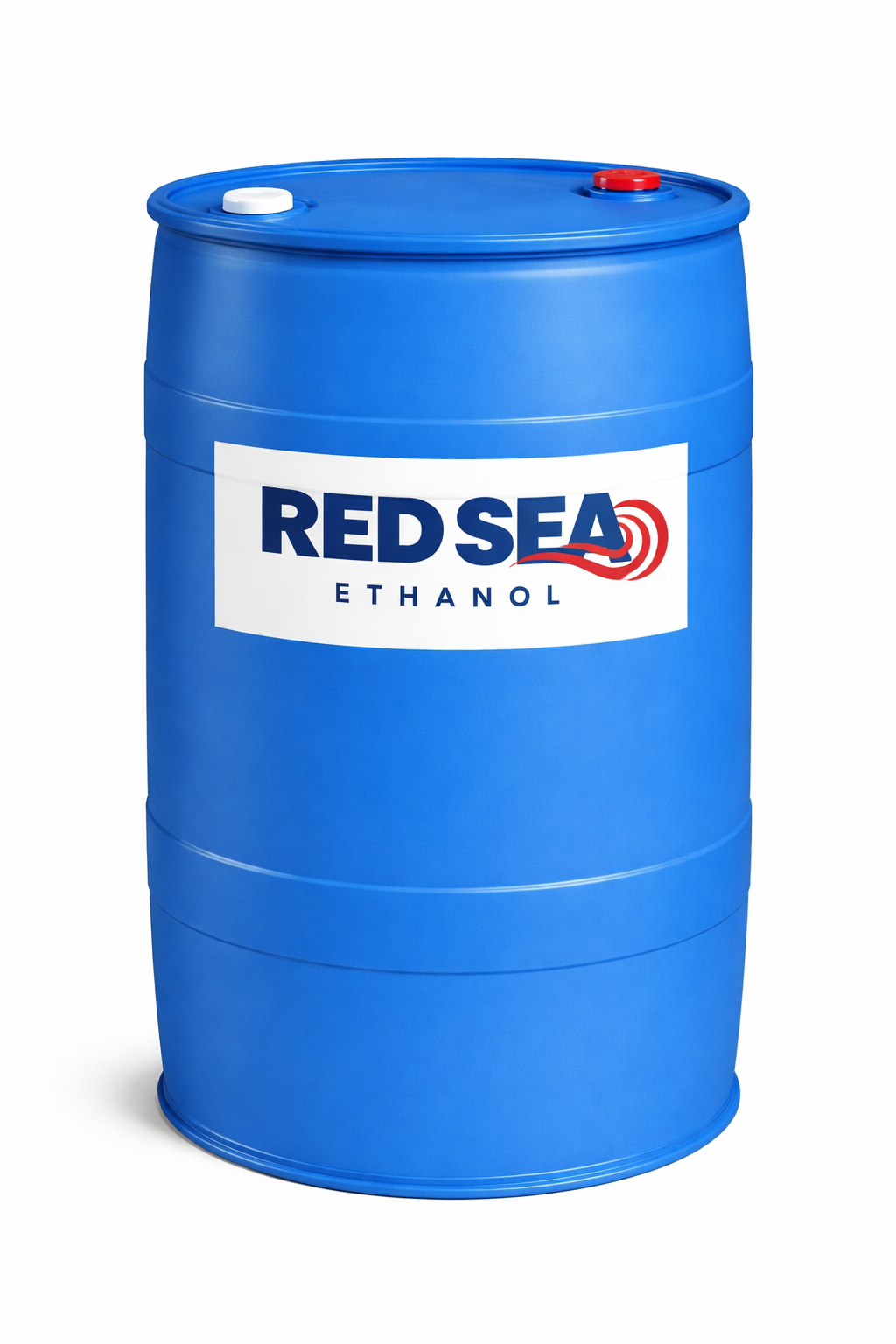
We supply both medical grade and Red Sea industrial grade 205–220 L barrels that are specified for 99.9% purity ethanol and designed for safe stacking, forklift handling, and repeated partial emptying.
Closure systems and drum internal surfaces are selected to manage ethanol volatility and reduce headspace contamination risk during storage.
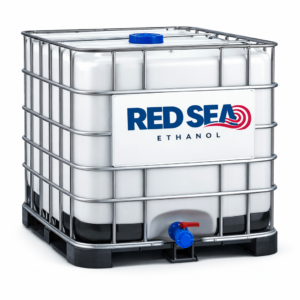
IBC Tanks For Mid Scale Pharma And Fragrance Operations
Intermediate bulk containers are an efficient choice for operations that consume thousands of liters per month.
For ethanol for fragrance industry customers, IBCs of Red Sea industrial ethanol reduce drum handling, while for ethanol for medical disinfection, IBCs are often integrated into central dilution or filling systems.
We pay attention to IBC cage integrity, pallet compatibility, and valve materials because valve gaskets and O rings are frequent sites of ethanol induced swelling and leakage.
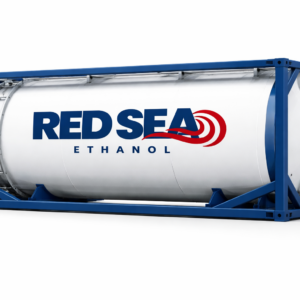
ISO Tanks For Large Scale Ethanol Users
ISO tanks are ideal for pipeline scale ethanol manufacturer operations and for large pharma plants that want to receive bulk ethanol with minimal repacking.
Our ISO tanks for medical and Red Sea ethanol lines are built around stainless steel shells and compatible valve assemblies that keep high purity ethanol stable during long distance transport across Saudi Arabia, the GCC, and export markets.
6. Medical Grade Ethanol Packaging: From 2.5 L To Tanker
Our medical grade ethanol 99.9% line is designed for laboratory, medical, and healthcare industry use, so packaging configuration is closely tied to application.
This same grade can serve as ethanol for hand sanitizer, as an ethanol solvent in formulation, or as a cleaning agent in validated processes, which means material compatibility and documentation must support multiple use pathways.
Small Volume Containers For Labs And Diagnostic Use
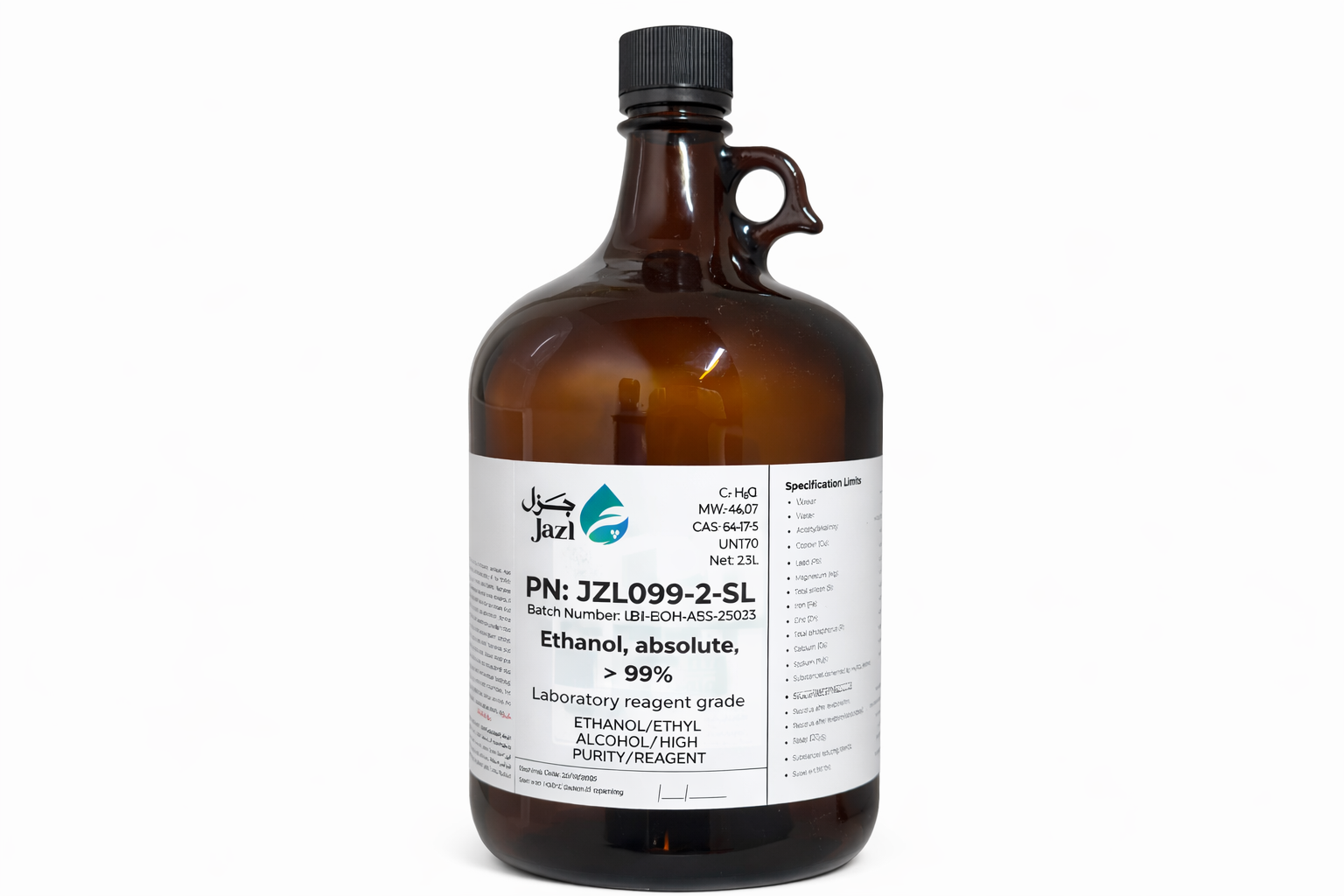
For ethanol for laboratory use, especially in analytical or microbiological labs, we supply 2.5 L and 5 L units that are easier to handle on the bench and reduce exposure time when opened.
These containers are selected for low background contamination, which is particularly important for ethanol for chromatography and other high sensitivity tests.
Bulk Medical Packaging For Hospitals And Manufacturers
For hospital scale use, our 25 L, 205 L, and 220 L configurations provide secure storage for ethanol for hospital sanitization and central supply to multiple departments.
At the largest scale, ISO tanks and tankers serve pharma plants and central compounding facilities that depend on just in time supply of high purity ethanol with full batch traceability.
7. Red Sea Industrial Ethanol For Perfumery And Cosmetics: Material Nuances
Our Red Sea line of ethanol 99.9% anhydrous is tailored to perfumery and general industrial applications.
These customers care about purity, but they also care about how packaging protects scent profile, color, and volatility in complex formulations.
Perfumers Alcohol And Packaging Odor Control
For perfumers alcohol and ethanol for perfume manufacturing, container materials must not contribute any off odors or discoloration, even after months of storage.
We specify compatible barrel and tank materials that resist reaction with fragrance components and minimize headspace odor transfer.
Cosmetic Grade And Industrial Applications
For cosmetic grade ethanol, emulsions and gels can be sensitive to minor impurities that originate from packaging walls or closures.
For broader industrial ethanol and bioethanol industrial use, we still recommend compatible materials to avoid corrosion of dosing equipment or unexpected color changes in end products.
8. Denatured Ethanol, Additives, And Packaging Interactions
Many customers use denatured ethanol for regulatory or tax reasons, especially in hygiene, cleaning, and industrial products.
Denaturants are additional chemicals, so they can change the solvent profile and alter how aggressive a formulation is toward packaging materials.
For ethanol for medical disinfection and ethanol for hospital sanitization, common denaturants are selected to be compatible with polyolefins and stainless steels used in drums, IBCs, and tanks.
However, when customers use custom denaturants for fragrance or specialty cosmetic applications, we encourage a compatibility review with the exact material grades used in their containers and dosing lines.
Label Adhesives, Gaskets, And “Hidden” Materials
Even when the primary container wall is compatible with ethanol, secondary materials can still create issues.
Label adhesives, printing inks, inner liners, and gasket elastomers are frequent sources of odor or discoloration when exposed to high purity ethanol over months of storage.
We therefore review the entire packaging bill of materials, not just the main resin, before approving it for pharmaceutical grade ethanol.
9. How To Evaluate A Bulk Ethanol Supplier’s Packaging: A Procurement Checklist
Selecting a bulk ethanol supplier is no longer just about price and specification of the liquid.
It also involves confirming that packaging is appropriate, qualified, and traceable for the intended use.
Questions To Ask Your Ethanol Manufacturer Or Supplier
- What materials and linings are used in the drum, IBC, or ISO tank, and are they qualified with ethanol 99.9% across the intended temperature range?
- Do you have extractables or migration data for ethanol rich media, particularly for medical or lab applications?
- Is this product manufactured in an ethanol production plant with quality systems, or resold through a trader with mixed packaging sources?
- Can you provide batch specific COAs and documentation for customers in Saudi Arabia, GCC, and export markets?
As an ethanol manufacturer Saudi Arabia and pharmaceutical ethanol supplier GCC, we control both ethanol production and packaging selection, which simplifies traceability and gives our customers a single accountable partner.
We actively support procurement teams in the Middle East that are under pressure to reduce mislabeling and supply risks in their ethanol supplier Middle East portfolios.
What We Need From You For A Quote
When you request a quote from us, packaging compatibility is part of the conversation, not an afterthought.
If you share your required purity, grade, target application, expected monthly volume, storage conditions, and delivery location, we can recommend an appropriate mix of container sizes, materials, and logistics options.
10. Risk Mitigation, Storage, And Handling For Ethanol Packaging
Even with compatible materials, how ethanol is stored and handled will affect container performance and product stability.
For ethanol for hospital sanitization, ethanol for antiseptic production, and ethanol for laboratory use, we encourage simple but effective storage controls.
- Keep containers in cool, well ventilated areas away from ignition sources.
- Avoid unnecessary opening and closing, which increases vapor loss and contamination risk.
- Use transfer equipment made of compatible metals and polymers, and avoid unqualified flexible tubing where possible.
- Rotate stock so that high purity lots are not held in partially filled containers for extended periods.
We also recommend that sites periodically inspect closures, gaskets, and any sight glasses on IBCs and tanks for signs of swelling, crazing, or discoloration, especially when changing denaturants or formulations.
Packaging integrity and ethanol purity go hand in hand, so monitoring both together provides early warning of compatibility issues.
Conclusion
Material compatibility for pharma ethanol packaging is not abstract theory, it is a daily operational and regulatory reality for any team handling high purity ethanol.
From 2.5 L lab bottles to ISO tanks, each container that carries medical grade ethanol, laboratory grade ethanol, cosmetic grade ethanol, or industrial ethanol must be chosen and qualified with the same care as the solvent itself.
As a local ethanol manufacturer with a dedicated production plant in Saudi Arabia, we take that responsibility seriously.
If you are sourcing absolute ethanol 99.9% for pharma, hospitals, laboratories, or the fragrance industry anywhere in the GCC and wider region, we encourage you to talk to our team about your required purity and packaging specification before you buy.
We can review your application, propose compatible container formats, and provide the documentation you need to support safe, compliant use of ethanol in your products and processes.
