
Global ethanol production reached 16.22 billion gallons in 2024, and a growing share of that volume now depends on advanced purification technologies like OWERTech to meet strict pharmaceutical and laboratory specifications. In this article we explain how OWERTech advances support high-purity ethanol manufacturing, and how our own production approach at United Beta Industries aligns with these technical benchmarks.
Key Takeaways
| Question | Answer |
|---|---|
| What is OWERTech in ethanol purification? | OWERTech refers to a patented dehydration and water-removal process used to produce high-purity, anhydrous ethanol suitable for pharma-grade and industrial applications. |
| How does this relate to our Saudi ethanol manufacturing plant? | In 2022, OWERTech-based equipment was contracted to support pharmaceutical-grade ethanol production for a Saudi site, aligning with our focus on local, high-purity manufacturing and bulk supply. |
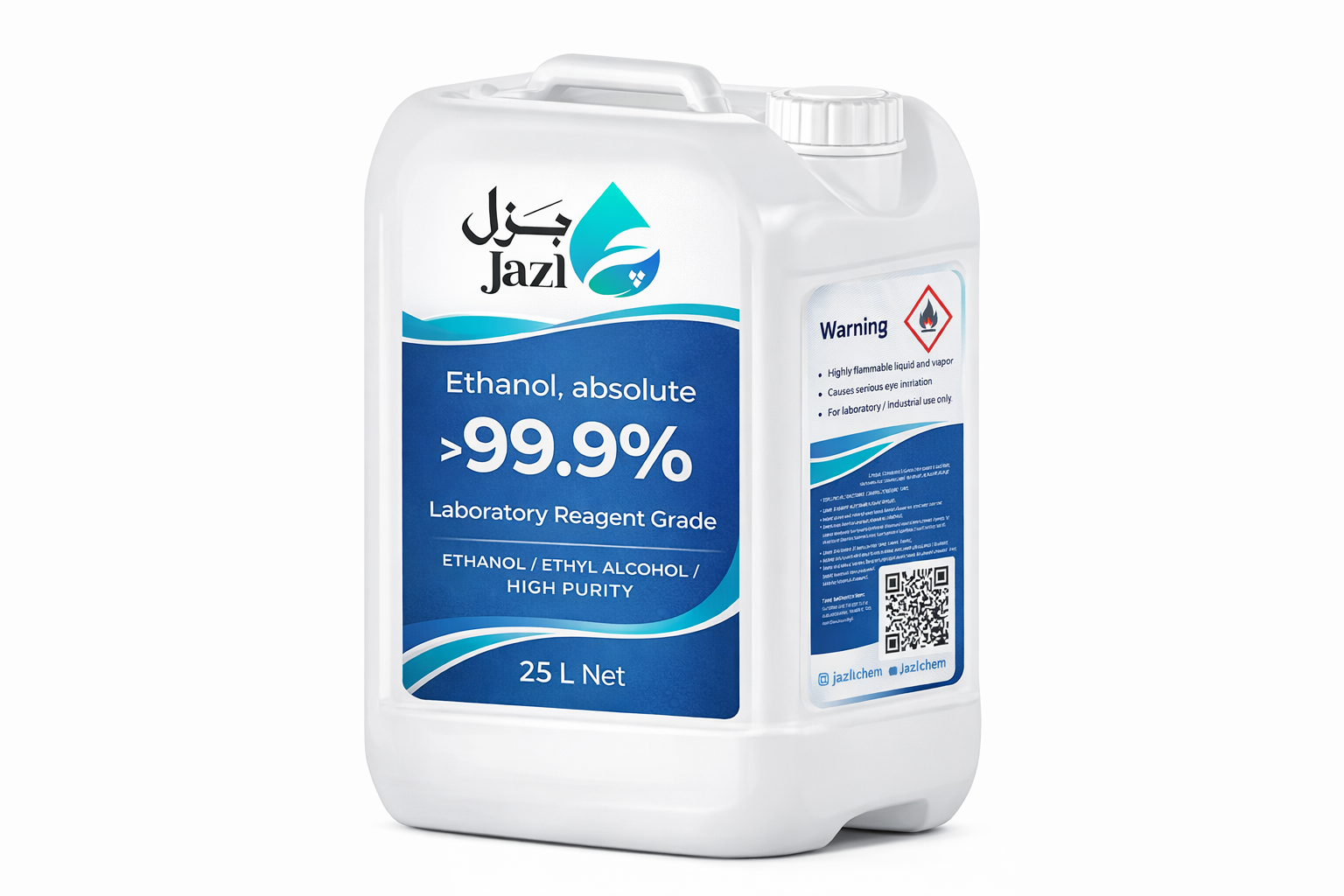
| What purity levels are typical for OWERTech-enabled lines? | Lines using similar technology routinely achieve 99.9% anhydrous ethanol, comparable to our own Medical-Grade Ethanol 99.9% 25 L packaging for laboratory and medical use. |
| Which sectors benefit most from these advances? | Pharmaceutical manufacturing, diagnostics labs, hospitals, perfumery, and technical industrial users that require consistent, traceable, high-purity ethanol in bulk volumes. |
| How can buyers verify real pharmaceutical purity? | By sourcing from actual manufacturers, requesting Certificates of Analysis and documentation, and reviewing product ranges like our consolidated ethanol product overview rather than generic, unverified offers. |
| What is the recommended way to request bulk ethanol using advanced purification? | Use a structured RFQ, share target purity, volume, packaging (drums, IBC, ISO), and delivery location, then contact our team directly through our contact page for a technical discussion. |
1. What OWERTech Ethanol Purification Really Means
When we talk about OWERTech ethanol purification advances, we are referring to an integrated dehydration and refinement concept designed to reliably reach anhydrous, 99.9% purity levels. This type of system addresses the last and most challenging step in ethanol processing, where residual water must be removed without compromising consistency or safety.
In practice, OWERTech-style advances reduce the energy burden of water removal, stabilize quality across long runs, and align with pharmaceutical-grade expectations. For our customers in Saudi Arabia, the GCC, and wider MENA, this matters because it directly impacts assay value, impurity profiles, and downstream formulation reliability.


2. From Fermentation To 99.9%: Where OWERTech Fits In The Process
Ethanol production begins with fermentation, but fermentation alone delivers only a low-strength mixture that requires extensive distillation and drying. Traditional distillation reaches a technical limit near the ethanol–water azeotrope, so a dedicated dehydration technology is needed to achieve pharmaceutical-grade and anhydrous quality.
OWERTech advances are applied in that final section, where water activity is driven down to the low residual levels needed for 99.9% product specifications. Our own products described as 99.9% medical-grade ethanol mirror the type of purity profile that such advanced dehydration stages are designed to deliver.
3. Global OWERTech Deployments And Why They Matter Locally
OWERTech is not a theoretical concept, it is deployed in real industrial plants that run every day at meaningful scale. One early commercial installation reached 60,000 liters of purified ethanol per day at a Bulgarian facility, which demonstrates the ability of this approach to operate beyond pilot size and into continuous, industrial reality.
In 2025, a deep-processing plant at Roshen started production with OWERTech-based ethanol lines at a finished-product capacity of 75 cubic meters per day. For buyers in Saudi Arabia and the region, these references are important because they show that high-purity output at mid to large scale is already proven with OWERTech-style configurations, which aligns with our own scale-up ambitions as a local manufacturer.
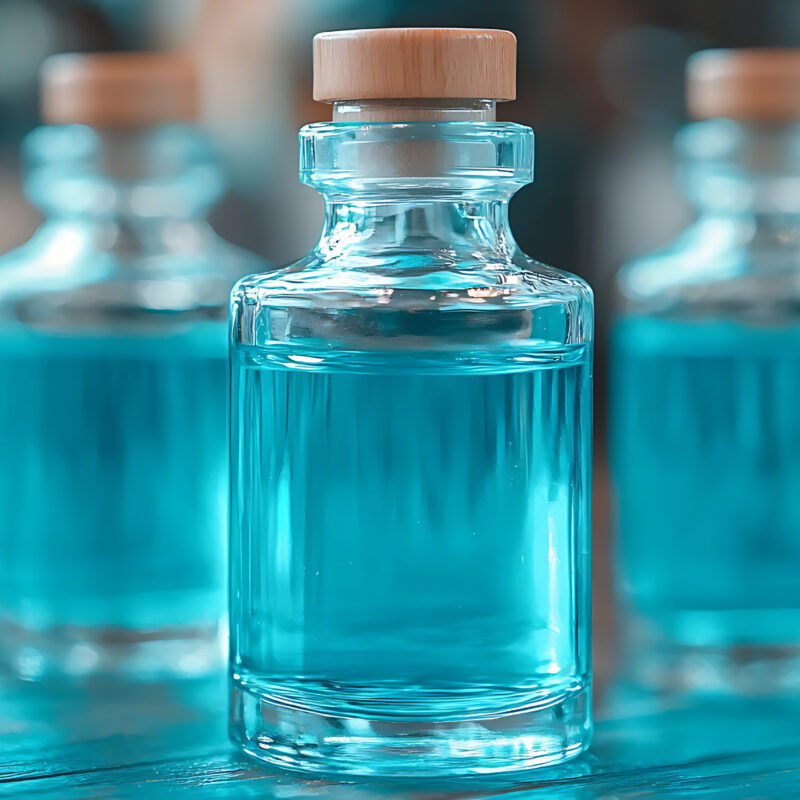
A visual summary of three key advances in OWERTech ethanol purification, highlighting efficiency gains, cost reductions, and scalability.
4. How OWERTech Advances Support Pharmaceutical-Grade Ethanol
Pharmaceutical-grade and lab-grade ethanol require more than just a high percentage number on the label. Impurity ceilings, trace moisture levels, and stability under storage conditions all depend on the underlying purification technology and the discipline of the plant operating it.
OWERTech-type systems focus on water removal efficiency and process control, which supports tighter impurity control and helps manufacturers like us serve sensitive applications such as diagnostics, cleaning of analytical instruments, and precise pharmaceutical processing. This is the context behind our own 99.9% medical-grade products that are designed for laboratory and medical environments where repeatability is essential.
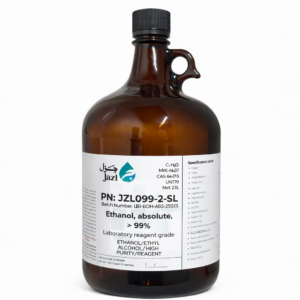
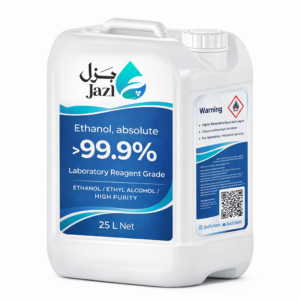
Medical-Grade 99.9% Ethanol Packaging Examples
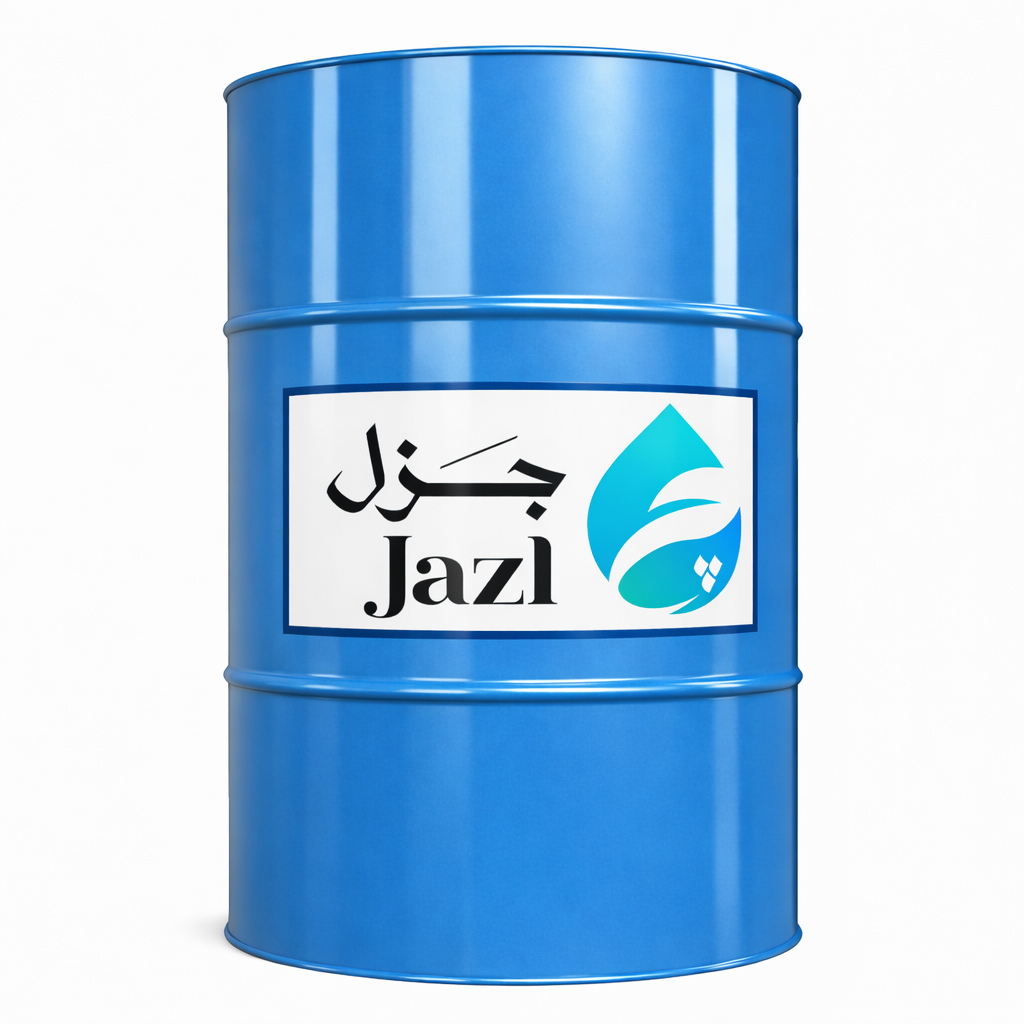
Our product range mirrors the expectations of OWERTech-level purification, with carefully chosen packaging sizes for controlled handling and storage. Smaller units serve labs and hospitals, while drums and bulk formats address continuous pharmaceutical and technical manufacturing needs.
Below are visual examples of how such high-purity ethanol is offered in practice for B2B buyers.
5. Industrial And Perfumery Uses: Red Sea Anhydrous Ethanol As A Case Study
OWERTech-enabled production is not limited to pharmaceutical-grade applications, it is also highly relevant to technical users that require neutral odor, consistent volatility, and low-residue behavior. Perfumery, specialty chemicals, and industrial cleaning rely on such qualities, particularly when formulations must behave identically across batches and markets.
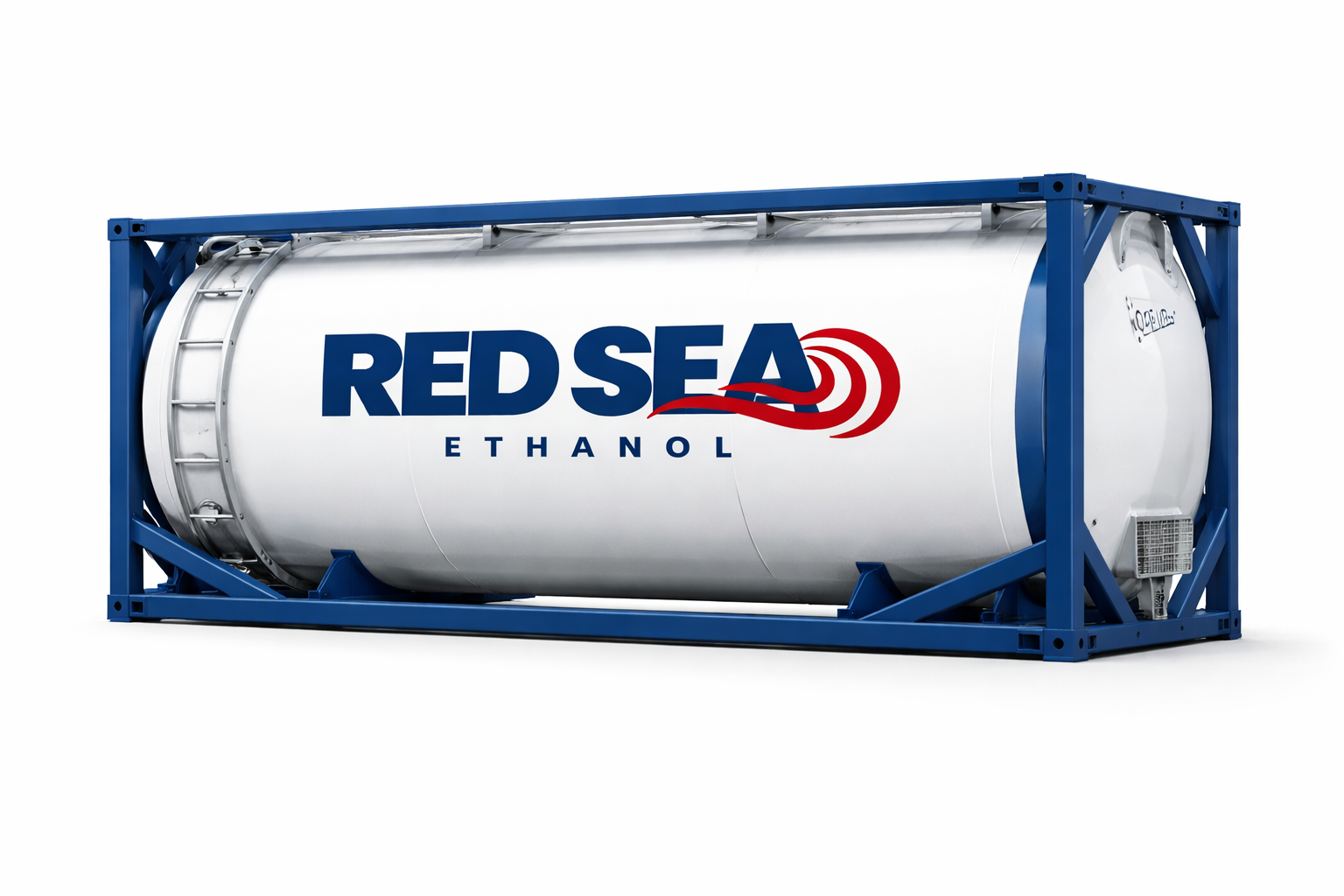
Our Red Sea Ethanol 99.9% range, presented as anhydrous ethyl alcohol for perfumery and industrial applications, represents how high-purity, OWERTech-like dehydration quality can be deployed outside the strict pharma segment. B2B procurement teams can treat this as a reliable backbone solvent for fragrance, technical formulations, and surface treatment products.
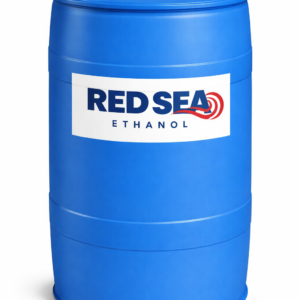
Red Sea 99.9% Anhydrous Ethanol Packaging Examples
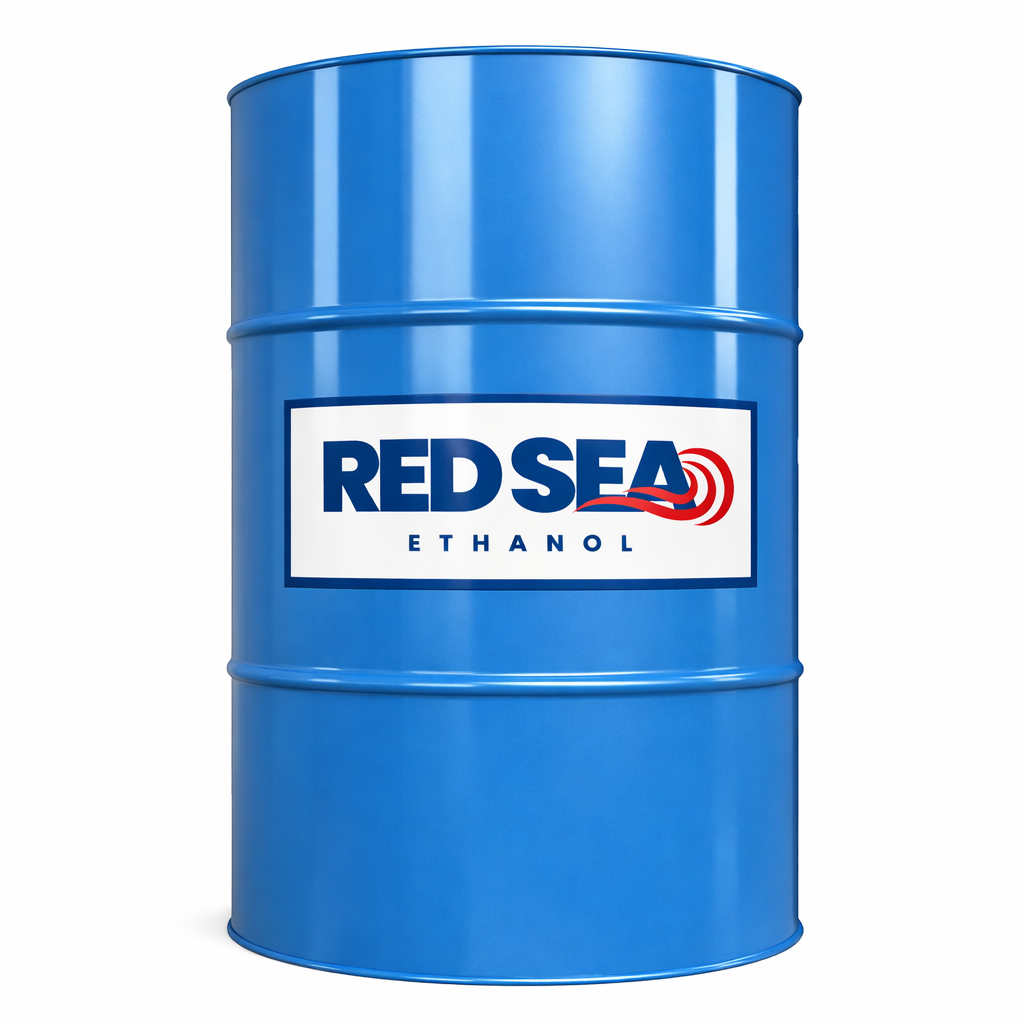
Bulk packaging formats are critical for efficient industrial supply chains. OWERTech-level purification ensures that large-volume shipments in barrels, IBCs, or ISO tanks reach customers with consistent assay values and impurity profiles.
Here are examples of how anhydrous perfumery and industrial ethanol is typically presented to the market.
6. Bulk Packaging: Drums, IBC, And ISO Tanks In OWERTech-Quality Supply
One overlooked aspect of purification advances is the ability to preserve quality from the plant to the end user. OWERTech-style dehydration might deliver 99.9% at the outlet, but packaging, sealing, and logistics determine whether that purity arrives unchanged in your facility.
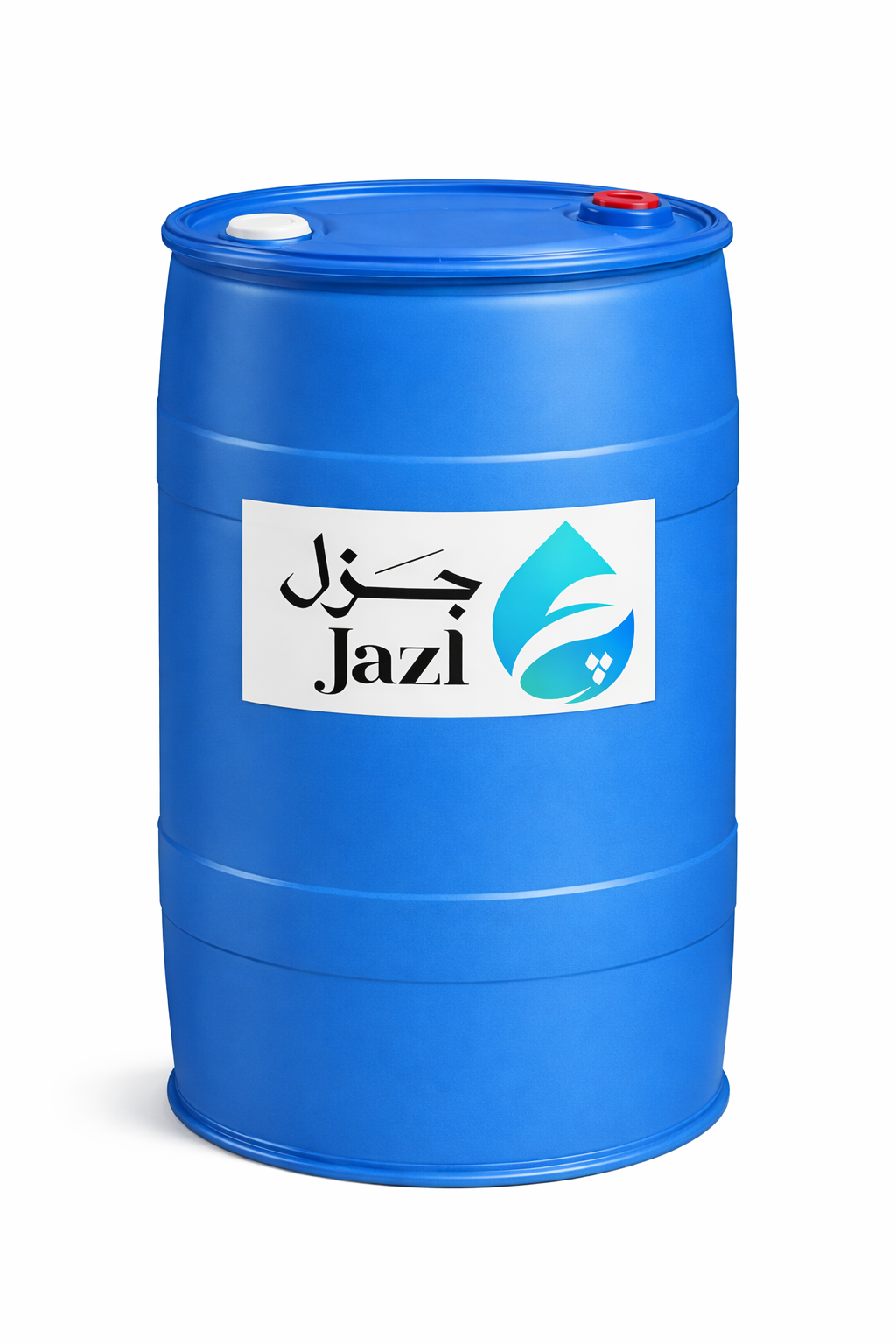
We focus on industrially practical packaging options that support integrity, including 205 L or 220 L barrels, IBC tanks, and ISO tanks suitable for overland and seaborne transport. This structure supports both pharmaceutical-grade and industrial-grade users and matches the capacities needed for regional and export supply.
Industrial Barrel And IBC Examples
Below are illustrative images of medical-grade and industrial-grade ethanol in drum and IBC formats, representing how OWERTech-level purity moves into the logistics chain. These formats are well suited to recurring consumption patterns in manufacturing, blending, and hospital networks.
We recommend that buyers pair packaging choices with their own internal handling capabilities and turnover rates, to reduce the risk of contamination or unnecessary storage time.
7. Energy Use And Process Efficiency In OWERTech-Type Systems
Advanced purification is not only about purity, it is also about energy balance and operating cost. Roshen’s OWERTech-based line, for example, lists steam consumption of roughly 2 kg per liter of anhydrous ethanol, illustrating how dehydration and process integration are key levers for cost optimization.
For us as a manufacturer, similar efficiency thinking affects how competitively we can supply bulk ethanol across Saudi Arabia, GCC, and export markets. The more efficient the dehydration and heat-integration design, the more stable pricing can be over the long term, particularly for B2B buyers negotiating multi-year supply agreements.
Process Integration And Co-Product Handling
OWERTech-style solutions often emphasize full plant integration, including valorization of byproducts such as spent grain or DDGS in grain-based facilities. While our own feedstock and process layouts may differ, the same principle applies, integrated lines help support sustainable economics for high-purity output.
From a buyer’s perspective, understanding that your ethanol originates from an efficiently engineered plant is a useful proxy for long-term reliability, especially when local demand and export flows are both growing.
8. Spotting Mislabeling: How OWERTech-Level Quality Differs From Generic Offers
One of the core issues in the ethanol market is mislabeling, where products are presented as “high purity” or “pharmaceutical” without the underlying process or documentation to support those claims. OWERTech-type ethanol lines are designed specifically around dehydration performance, control systems, and traceability, which can be corroborated by plant-level data and certificates.
As an ethanol manufacturer and production plant, we encourage buyers to question generic claims and focus on origin, manufacturing process, and documentation. Advanced purification is not something that appears overnight, it is the result of targeted investments, engineering, and quality systems at the plant level.
Practical Checks For Procurement Teams
- Request Certificates of Analysis for each batch, with clear purity and impurity values.
- Verify that the supplier operates or represents an actual manufacturing plant, not only a trading office.
- Align required purity (for example 99.9% anhydrous) with your internal standards and regulatory requirements.
- Check for stable packaging options such as barrels, IBC, or ISO tanks appropriate to your consumption volume.
By applying these checks, buyers can distinguish OWERTech-level or equivalent purification output from unverified offers that may not meet critical specifications.
9. RFQ Checklist: Buying OWERTech-Quality Ethanol In Bulk
To receive an accurate and technically meaningful quote for high-purity ethanol, procurement teams should prepare a concise but complete RFQ. This is particularly important when targeting OWERTech-level or equivalent purification, where purity specifications and logistics details strongly influence the offer.
Below is a practical checklist you can use when approaching us for an RFQ.
- Purity and grade: For example, 99.9% medical-grade, lab-grade, or anhydrous industrial for perfumery.
- Intended application: Pharmaceutical manufacturing, diagnostics, hospital use, perfumery, sanitization, or other industrial processes.
- Expected monthly or annual volume: Including minimum drop size and any ramp-up plans.
- Packaging format: Drums (205 L or 220 L), IBC, ISO tank, or other bulk logistics requirements.
- Delivery location: Plant, warehouse, or port, including any special access constraints.
- Documentation needs: Certificates of Analysis, regulatory references, and specific testing methods (for example HPLC).
When we receive this information, we can align our manufacturing plan, purification capacity, and logistics network to your requirements and provide a clear proposal.
10. Safety, Handling, And Compliance Around High-Purity Ethanol
Regardless of how advanced the purification technology is, ethanol remains a flammable, regulated chemical that demands careful handling. OWERTech-level dehydration produces anhydrous ethanol, which is particularly volatile and must be stored and transferred in compliance with local and international standards.
We recommend that all users, from hospitals to industrial plants, maintain clear internal protocols for storage, transfer, and spill response. This includes appropriate ventilation, compatible materials for tanks and piping, and training for personnel handling bulk deliveries and decanting operations.
General Safety Principles For High-Purity Ethanol
- Store in approved containers or tanks rated for flammable liquids.
- Maintain separation from ignition sources and ensure proper grounding of transfer equipment.
- Implement spill containment and have suitable absorbents and PPE available.
- Ensure that Safety Data Sheets are accessible and that staff are familiar with them.
Advanced purification does not change the fundamental safety characteristics of ethanol, but it does increase its importance as a critical raw material in your operations, which makes robust safety management non-negotiable.
Conclusion
OWERTech ethanol purification advances illustrate what modern dehydration and refinement can achieve at industrial scale: consistent 99.9% purity, efficient energy use, and suitability for demanding pharmaceutical, laboratory, and industrial applications. As an ethanol manufacturer and production plant serving Saudi Arabia, the GCC, and beyond, we align our own 99.9% medical-grade and anhydrous product ranges with these technical expectations so that procurement and technical teams can source with confidence.
If you require pharma-grade, lab-grade, or industrial ethanol in bulk and want to ensure that the purification process behind it matches your quality standards, we invite you to reach out to our team, share your specifications, and request a quote tailored to your purity, volume, and logistics requirements.
