
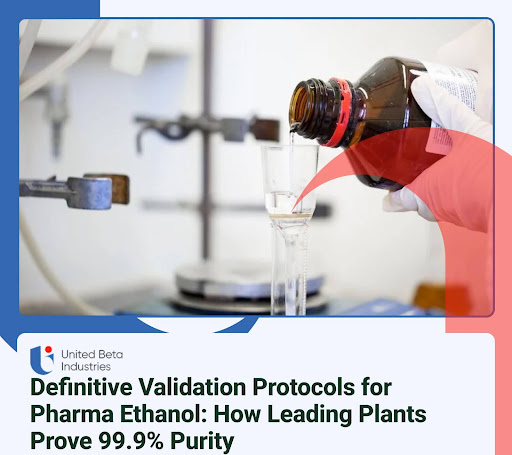
Validation of pharma ethanol is no longer a theoretical exercise, it is a daily operational reality where even small weaknesses in control can affect thousands of tests and products. In one large core laboratory alone, 9,521 ethanol tests were performed between 2020 and 2023, which illustrates the scale at which validated methods and reliable ethanol quality must operate.
Key Takeaways
| Question | Concise Answer |
|---|---|
| What makes a validation protocol “definitive” for pharma ethanol? | It combines documented specifications, method validation, lot release testing, and traceable records from an ethanol manufacturing plant, not a reseller. |
| Which purity is typically required for pharma-grade ethanol? | Most pharma workflows rely on 99.9% anhydrous ethanol validated against pharmacopeial and internal plant standards, such as the 99.9% products in the UBI pharma ethanol range. |
| How should labs and manufacturers verify each delivery? | By reviewing the Certificate of Analysis, checking batch numbers, and performing incoming QC tests that mirror the supplier’s validated methods, then documenting all steps in their own SOPs. |
| What are the core steps in a pharma ethanol validation protocol? | Define specifications, validate analytical methods, qualify equipment and containers, perform process validation, then implement continuous monitoring with deviation management and requalification cycles. |
| How can we reduce mislabeling and supply risk? | Source directly from an ethanol production plant, verify documentation and origin, and align your internal audit program with your supplier’s manufacturing and QC controls, starting with pages such as our products overview. |
| Who should be involved in defining validation protocols? | QA, QC, production, procurement, and regulatory teams should jointly define requirements, risk assessments, and release criteria for pharma ethanol use across the facility. |
1. Why Definitive Validation Protocols Matter For Pharma Ethanol Users
Pharma ethanol is an enabling raw material in laboratories, diagnostics, and pharmaceutical manufacturing, so incomplete validation directly affects analytical integrity and process reliability. We see this in practice whenever ethanol quality drifts, analytical error rises, and retesting rates increase across routine workflows.
Definitive validation protocols set a common language between the ethanol manufacturing plant and the pharma user.
They define what 99.9% purity means in measurable terms, how often it is proven, and how deviations are detected and resolved.

From our perspective as an ethanol manufacturer, definitive protocols are the bridge between our distillation and refining controls and your validated methods in the lab.
They ensure that what leaves our plant as 99.9% anhydrous ethanol behaves consistently in your analytical, formulation, and cleaning processes.
2. Core Quality Requirements For Pharma-Grade Ethanol (99.9%)
Any robust validation protocol must begin with clear, technical specifications for pharma ethanol.
For 99.9% anhydrous ethanol, this typically covers identification, purity, water content, organic impurities, and residue levels, defined against pharmacopeial and internal standards.
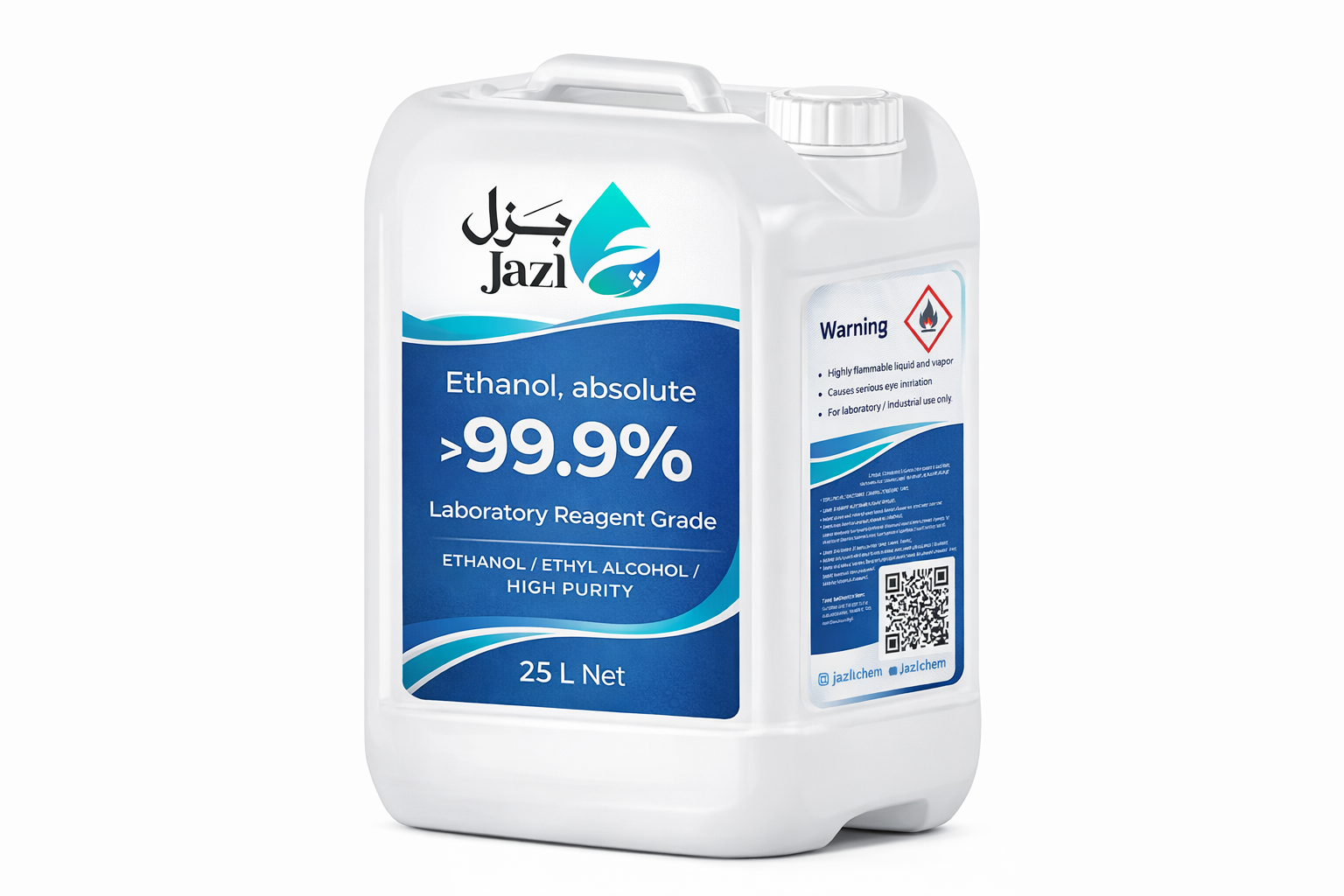
For example, our Medical-Grade Ethanol 99.9% for laboratory and medical use is manufactured to support applications where low residue and fast evaporation are required.
It is validated for use as a solvent, cleaning agent, and processing aid in environments where contamination risk is tightly controlled.
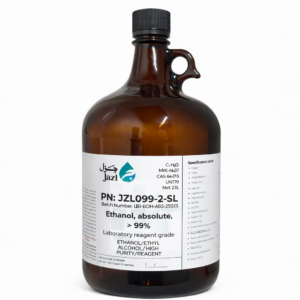
Key attributes that should be part of your protocol include:
- Assay value and allowed variation range.
- Maximum limits for impurities and denaturants where applicable.
- Water content range for anhydrous ethanol.
- Residue on evaporation, appearance, and odor criteria.
These specifications should be mirrored both in our Certificates of Analysis and in your internal material specifications, so that QC on both sides is harmonized.
3. Stepwise Validation Framework For Pharma Ethanol
A definitive protocol is best structured as a stepwise framework that supports design, qualification, and routine control.
We encourage pharma and lab partners to implement at least the following steps for pharma ethanol, aligned with their own quality systems.
- User requirement definition for ethanol purity, volume, and packaging.
- Analytical method validation for identity, purity, and key impurities.
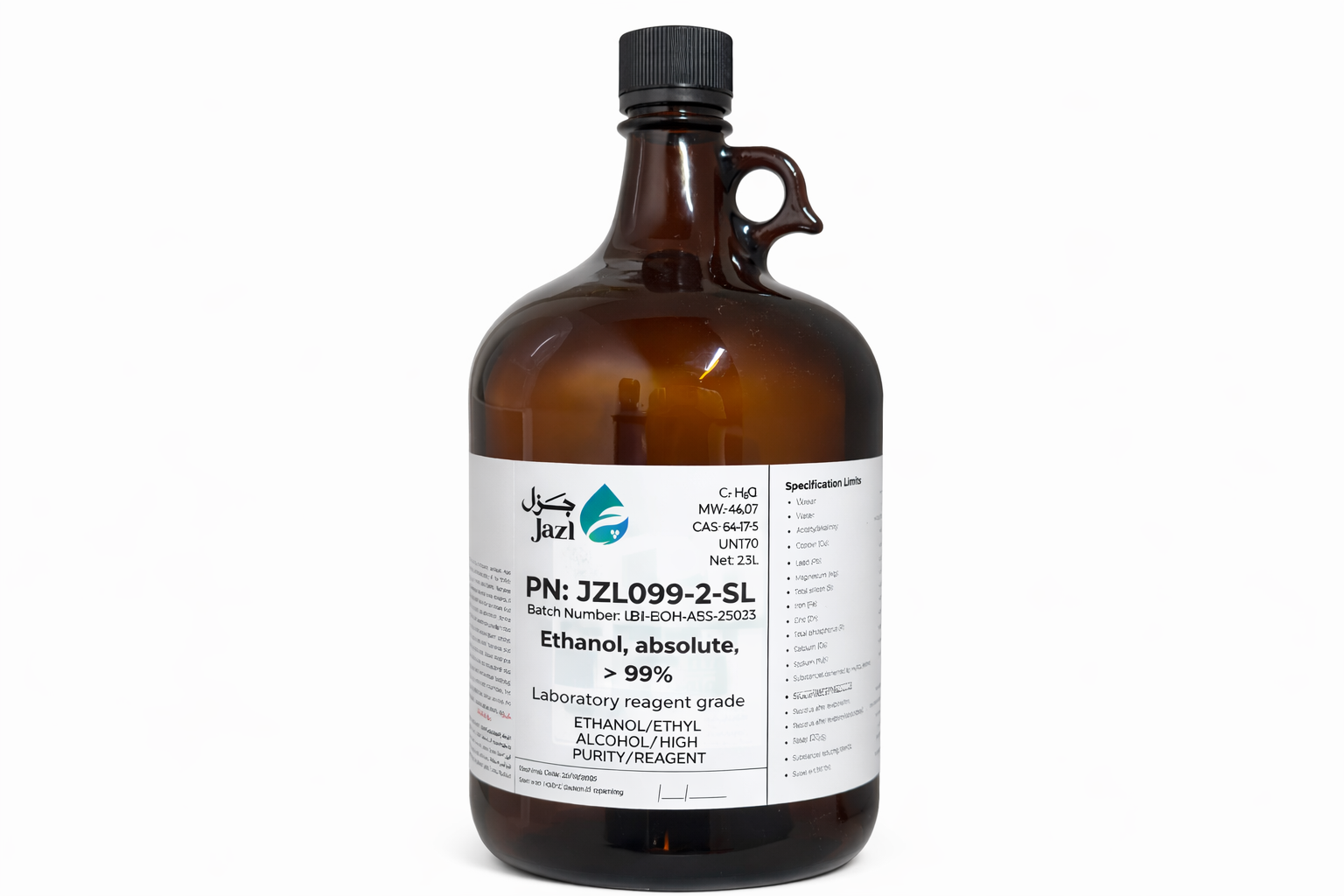
- Container and logistics qualification for 2.5 L to ISO tank volumes.
- Process validation using consecutive conforming batches.
- Ongoing performance monitoring with statistical review of QC data.
These steps should be supported by written SOPs and risk assessments.
They must also be periodically re-reviewed, especially when you change ethanol suppliers, scales, or container types.
4. Analytical Method Validation For Ethanol Testing
Analytical method validation is central to any definitive protocol, because unreliable measurement can hide real deviations in ethanol quality.
In a clinical context, one study reported a total analytical error of 11.4 % across ethanol tests, which shows how much room there is for improvement if methods and controls are not fully optimized.
For pharma ethanol incoming QC, we see laboratories generally validating methods for:
- Specificity for ethanol against other volatile organics.
- Linearity across the expected assay range.
- Precision and repeatability, including inter-day variation.
- Accuracy against reference standards.
- Limits of detection and quantification for impurities.

A strong example from the clinical domain is a Cobas 8,000 modular analyzer method used for ethanol, with a measurement range of 10.1–498 mg/dL and precision between 0.8 % and 2.4 %.
This level of performance, combined with repeat-test correlation of r = 0.998, is the type of evidence you should seek when establishing or reviewing your own ethanol test methods.
This infographic presents the 5-step validation process for pharma ethanol. It highlights the definitive protocols used to ensure quality and compliance.
5. Container, Volume, And Supply Chain Validation
Definitive validation protocols must explicitly consider the full range of packaging options, from small lab packs to large bulk containers.
We manufacture pharma-grade ethanol in multiple formats, including 2.5 L, 25 L, 205 L, 220 L, IBC tanks, and ISO tanks, and each requires its own validation considerations.
Validating Drums And Barrels For Pharma Use
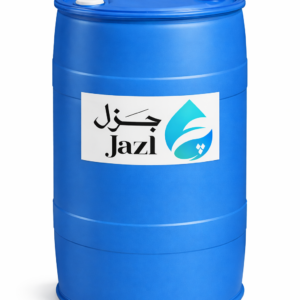
For 205 L and 220 L barrels used in pharmaceutical and medical environments, cleaning validation and leachable risk assessments are critical.
Your protocol should include container compatibility checks with your storage conditions and transfer systems, as well as integrity testing for closure systems.
Validating IBC And ISO Tanks For Large-Scale Pharma Manufacturing
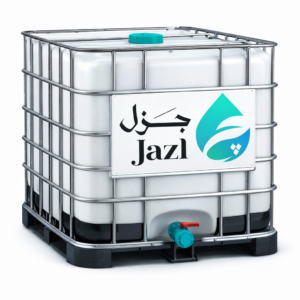
At the bulk end of the spectrum, IBC tanks and ISO tanks must be validated as part of the supply chain.
This includes cleaning and sanitization procedures, transport conditions, sealing systems, and traceability from our plant loading to your facility reception.
Your validation protocols should define acceptance criteria for:
- Visual inspection upon receipt.
- Seal integrity and tamper evidence.
- Sampling plans for bulk containers.
- Temperature and storage conditions during transit and on site.
These supply chain validation steps significantly reduce the risk of contamination, mix-up, or quality drift between production and use in your facility.
6. Differentiating Pharma-Grade And Industrial Ethanol In Validation
Pharma operations often use both pharma-grade and industrial ethanol on the same site, but with very different validation expectations.
It is essential that your protocols clearly separate these two categories, especially in storage, distribution, and point-of-use controls.
Jezyl-Type Pharma-Grade Ethanol: For Labs, Hospitals, And Pharma Manufacturers
Our pharma-grade products are manufactured specifically for laboratory, diagnostics, and pharmaceutical processing environments.
They are designed for applications such as sample preparation, equipment cleaning, and as a solvent in controlled formulations, with repeatable performance and documented impurity profiles.
Red Sea-Type Industrial Ethanol: For Perfumery And Industrial Applications
Our Red Sea brand is a 99.9% anhydrous ethanol optimized for perfumery and industrial uses, including as a solvent for fragrances and essential oils.
Validation protocols for this type of ethanol focus more on consistency of evaporation, odor profile, and compatibility with industrial processes than on pharmaceutical regulatory requirements.
To avoid cross-use, your validation protocols should specify:
- Dedicated storage areas and identification systems.
- Separate transfer lines and equipment where appropriate.
- Clear labelling and documentation distinguishing pharma-grade from industrial ethanol.
This clear separation directly supports compliance and audit readiness.
7. Risk Management, Deviations, And Re-Testing Strategies
No validation protocol is complete without a defined approach to risk management and deviation handling for pharma ethanol.
In a large testing program, reordered ethanol tests accounted for 4.9 % of total tests, which illustrates how often issues emerge that require investigation and repeat analysis.
From a pharma ethanol perspective, your protocol should define:
- How to categorize deviations, such as out-of-spec results or sampling errors.
- When to trigger re-testing, including how many replicates to perform.
- How to investigate root causes, such as contamination, storage conditions, or method drift.
- When a batch or delivery must be quarantined or rejected.
Well-documented deviation and re-testing procedures are one of the strongest indicators that a validation protocol is truly definitive rather than purely theoretical.
8. Documentation, Traceability, And Supplier Collaboration
Definitive validation protocols for pharma ethanol are built on documentation and traceability across both supplier and user.
As a manufacturing plant, we support this with batch records, Certificates of Analysis, and documented manufacturing controls that you can reference in your own validation files.
Your internal system should link:
- Incoming ethanol batch numbers to Certificates of Analysis.
- Storage locations and transfer logs to production or lab use.
- Deviations and investigations to specific lots and containers.
We encourage direct communication between your QA/QC teams and our technical team so that your internal protocols reflect the actual controls in place in our plant.
This collaboration allows you to reference our manufacturing and refining processes in your risk assessments and validation reports.
9. Safety, Handling, And Regulatory Alignment For Pharma Ethanol
Validation is not limited to analytical performance and purity; safety and regulatory alignment are equally important.
Pharma ethanol is a flammable solvent, so your protocols must integrate safe storage, handling, and waste management practices.
We recommend that your ethanol validation documentation includes:
- Links to Safety Data Sheets and hazard classifications.
- Defined storage temperatures, ventilation expectations, and segregation from incompatible materials.
- Spill response and fire protection procedures for each container size, from 2.5 L bottles to ISO tanks.
Regulatory expectations vary by region, but they consistently require documented evidence that raw materials, including pharma ethanol, are controlled in a way that protects product quality and patient safety.
Your validation protocols should be auditable against these expectations.
10. What We Need From You To Support A Definitive Validation And RFQ
To design, implement, and maintain definitive validation protocols for pharma ethanol, your team and our plant must align on specifications and practical use conditions.
When you request a quote or initiate a technical discussion with us, a clear information set helps us support your validation work efficiently.
For a focused discussion and accurate quotation, we recommend preparing:
- Required purity and grade (for example, 99.9 % pharma-grade ethanol for laboratory and medical use).
- Intended applications (analytical, cleaning, formulation, diagnostics, industrial perfumery, and so on).
- Preferred packaging (2.5 L, 25 L, 205 L, 220 L, IBC tank, or ISO tank).
- Estimated annual or batch volume and delivery frequency.
- Destination and storage conditions at your facility.
- Documentation requirements such as Certificates of Analysis, compliance statements, and technical data.
With this information, we can align our manufacturing, QA, and logistics parameters with your internal validation requirements.
You can then integrate our documentation into your protocol, from initial risk assessment to routine monitoring.
Conclusion
Definitive validation protocols for pharma ethanol link three elements: controlled manufacturing at the ethanol plant, validated analytical methods and container systems, and disciplined documentation and risk management at the user site.
By treating ethanol as a critical raw material rather than a commodity solvent, pharma laboratories, hospitals, and manufacturers can significantly reduce analytical error, retesting, and supply risk.
We design our 99.9 % pharma-grade and industrial ethanol products to support this level of control, across packaging formats from 2.5 L packs to ISO tanks.
If your team is reviewing or building validation protocols for pharma ethanol, we invite you to talk to our technical team about your required purity and specification so we can support a fully documented, definitive approach.