
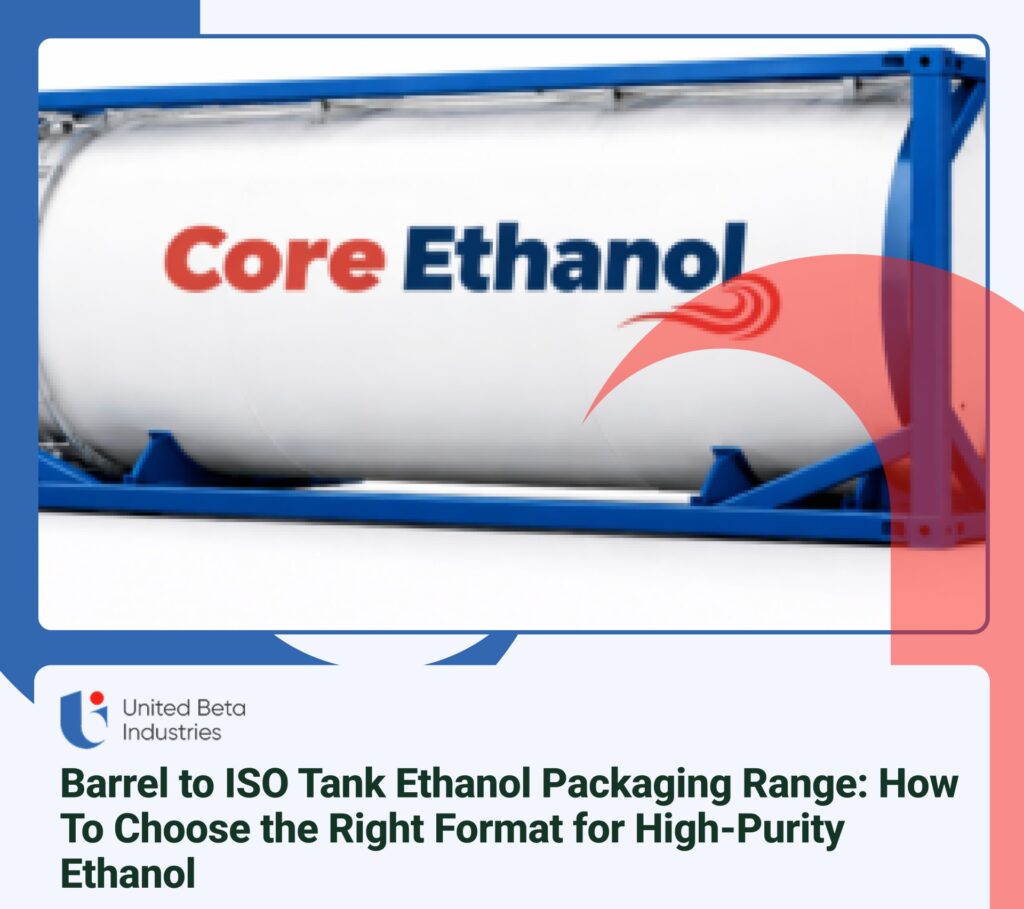
From 210–250 liter drums to ISO tanks of 24,500 liters and beyond, the ethanol packaging range you choose has a direct impact on cost, quality, and regulatory compliance across your operations.
Key Takeaways
| Question | Short Answer |
|---|---|
| What is the typical barrel to ISO tank ethanol packaging range? | From ~205–220 L barrels through IBC tanks to ISO tanks of about 24,500–25,000 L, covering small to very large bulk requirements. |
| Which packaging is best for medical grade ethanol and pharmaceutical grade ethanol? | For critical purity, we recommend our medical-grade Ethanol 99.9% ISO tank for large volumes and 25 L or barrel formats for controlled batch use. |
| How can I source ethanol for hospital sanitization and medical disinfection? | Use high purity, medical grade ethanol, such as our 25 L packaging for labs and hospitals available at this product page. |
| What format suits ethanol for perfume manufacturing and the fragrance industry? | Perfumers often prefer barrel or IBC for operational flexibility, or ISO tanks like our Red Sea Ethanol 99.9% ISO tank for continuous production. |
| Can the same high purity ethanol serve both laboratory grade ethanol and industrial ethanol needs? | Yes, our Absolute ethanol 99.9% can serve as laboratory grade ethanol, medical grade ethanol, and industrial ethanol when packaged and specified correctly, as seen across our product range. |
| How do I request a quote for bulk ethanol supplier volumes? | Share required purity (for example pharmaceutical grade ethanol or cosmetic grade ethanol), packaging (barrel, IBC, ISO tank), target volume, delivery location, and any certification needs via our contact page. |
Understanding the Barrel to ISO Tank Ethanol Packaging Range
When you plan ethanol procurement, packaging format is as critical as purity, especially for medical grade ethanol, pharmaceutical grade ethanol, and high purity ethanol used in regulated environments.
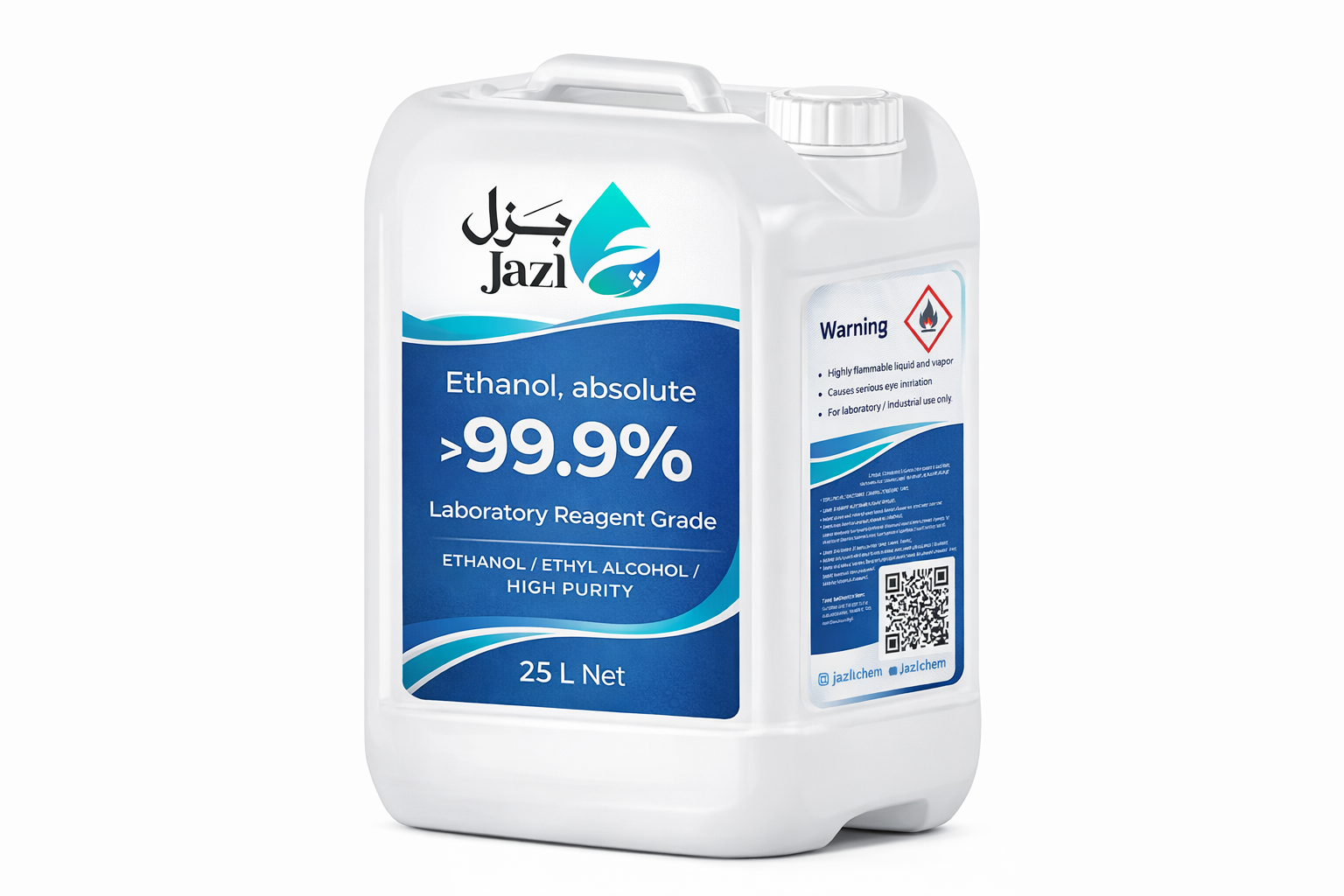
In practice, the packaging range spans from small 2.5 L and 25 L containers through 205–220 L barrels, up to IBC and ISO tanks that carry tens of thousands of liters of Absolute ethanol 99.9% per shipment.
From Small Containers to Industrial Ethanol Logistics
We supply ethanol solvent in multiple sizes, so your teams can align packaging with specific use cases such as ethanol for laboratory use, ethanol for chromatography, or ethanol for hospital sanitization.
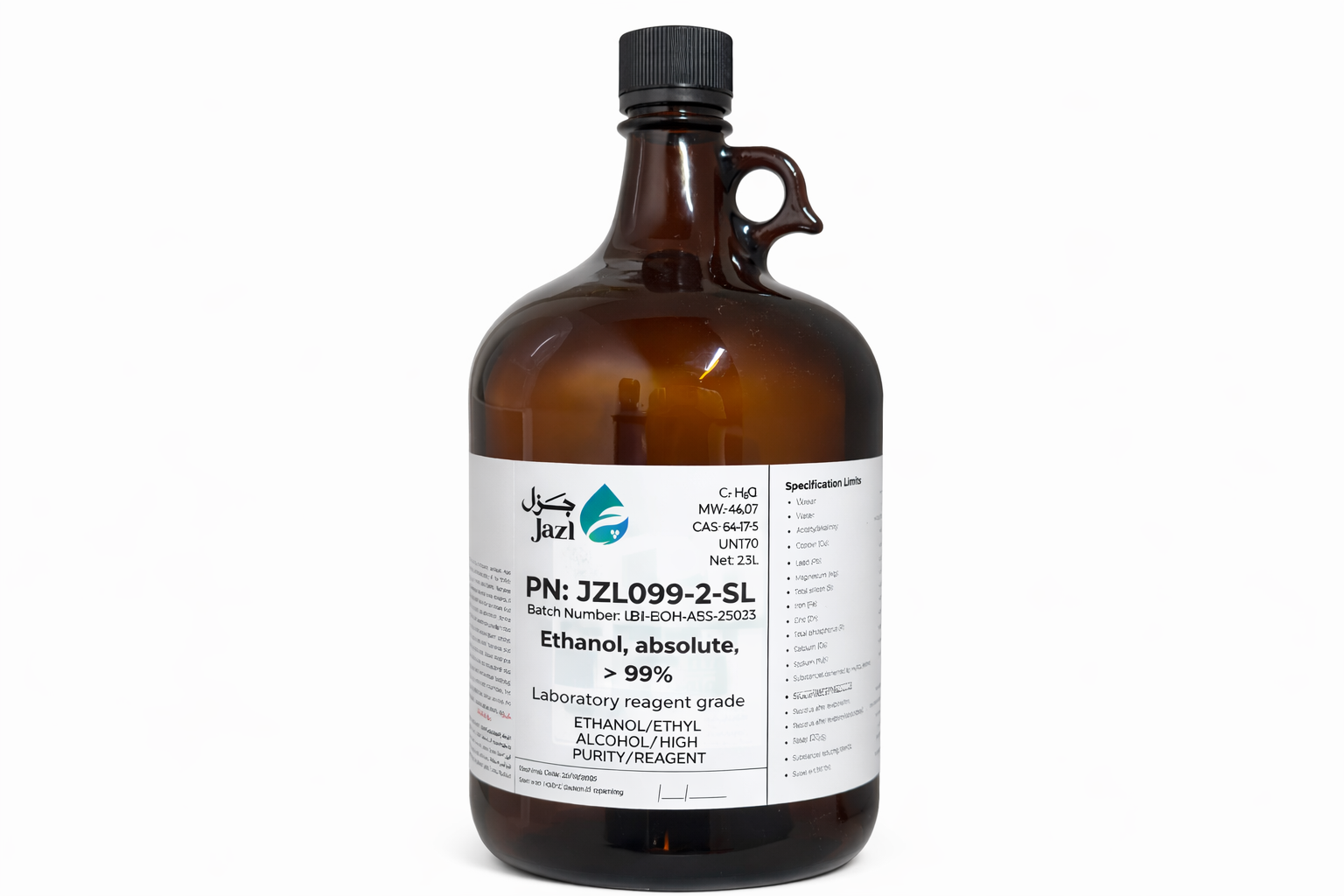
For example, our 2.5 L format of Ethanol 99.9% serves cosmetics, perfumes, lab use, dilution, and disinfectants, while the same quality scales all the way into ISO tanks for bulk distribution.
Barrels: 205–220 L Medical and Industrial Ethanol Packaging
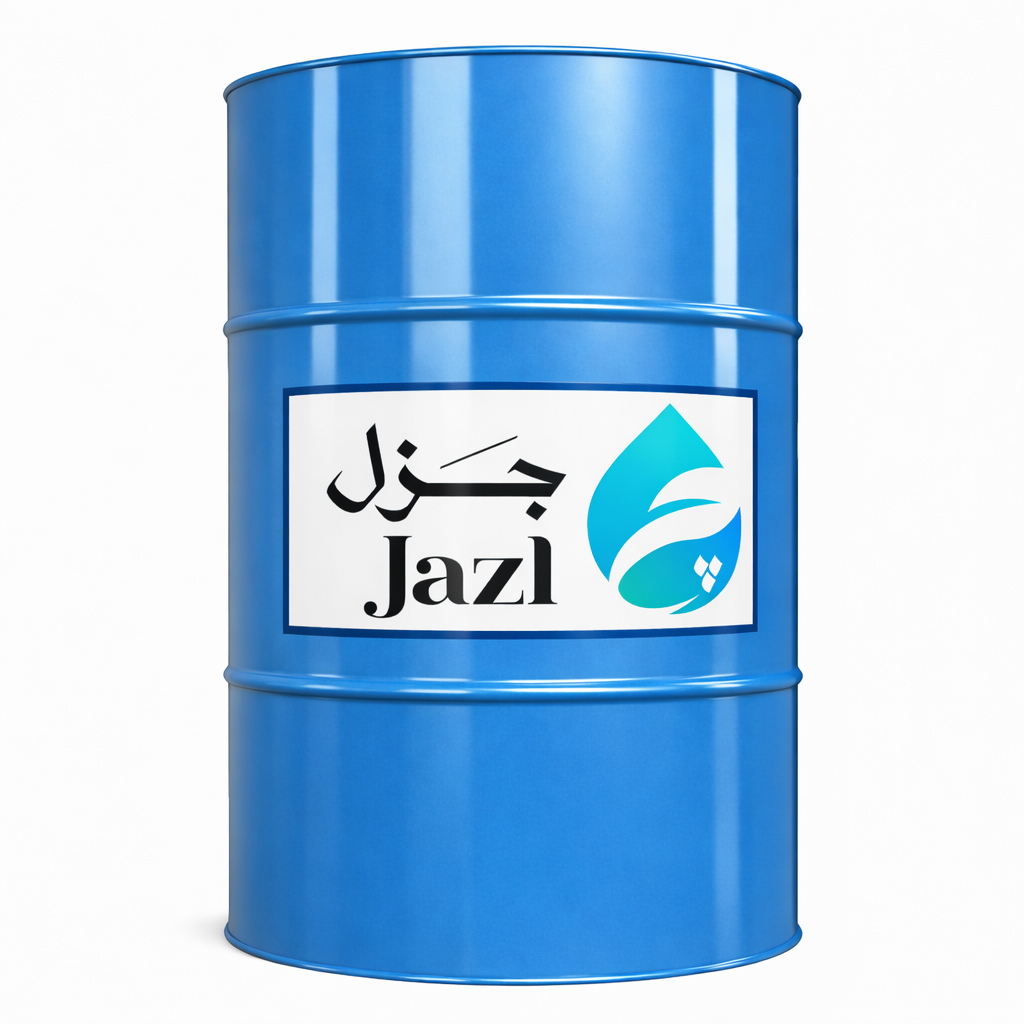
Barrels offer a practical middle ground for users who need more than laboratory bottles but less than an IBC or ISO tank, especially for ethanol for hand sanitizer or ethanol for medical disinfection produced in batches.
Typical ethanol barrels are 210–250 liters, and a standard 20-foot container can carry about 20,000 liters of ethanol when loaded entirely with drums, which is roughly 80 drums of 250 L each.
Ethanol 99.9% Medical-Grade in 205 L and 220 L Barrels
Our medical-grade Ethanol 99.9% barrels are designed for laboratories, diagnostics, and industrial environments that require laboratory grade ethanol or pharmaceutical grade ethanol in repeatable lots.
These barrels support ethanol for hospital sanitization, ethanol for antiseptic production, and broader ethanol for medical disinfection workflows where batch integrity and traceability matter.
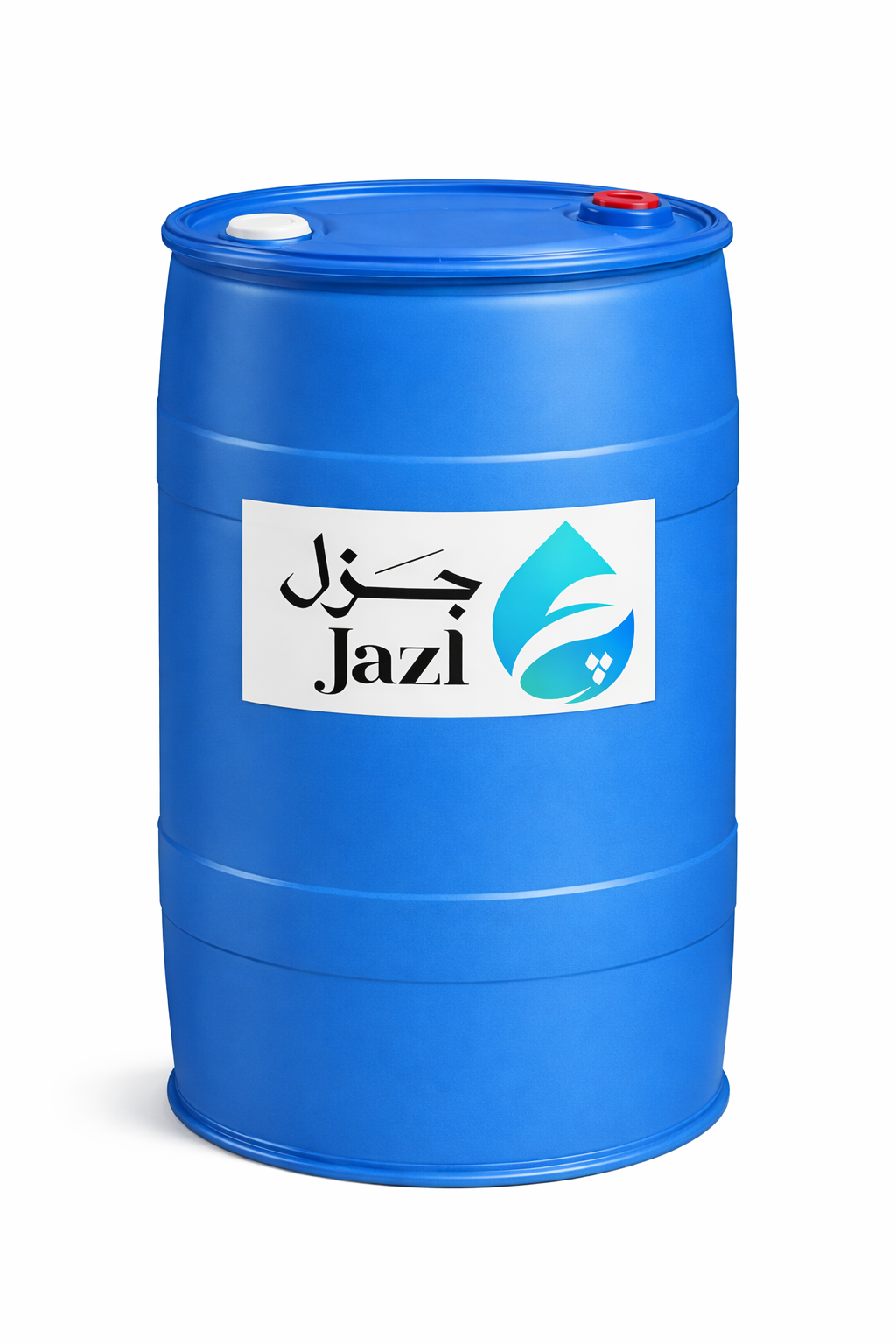
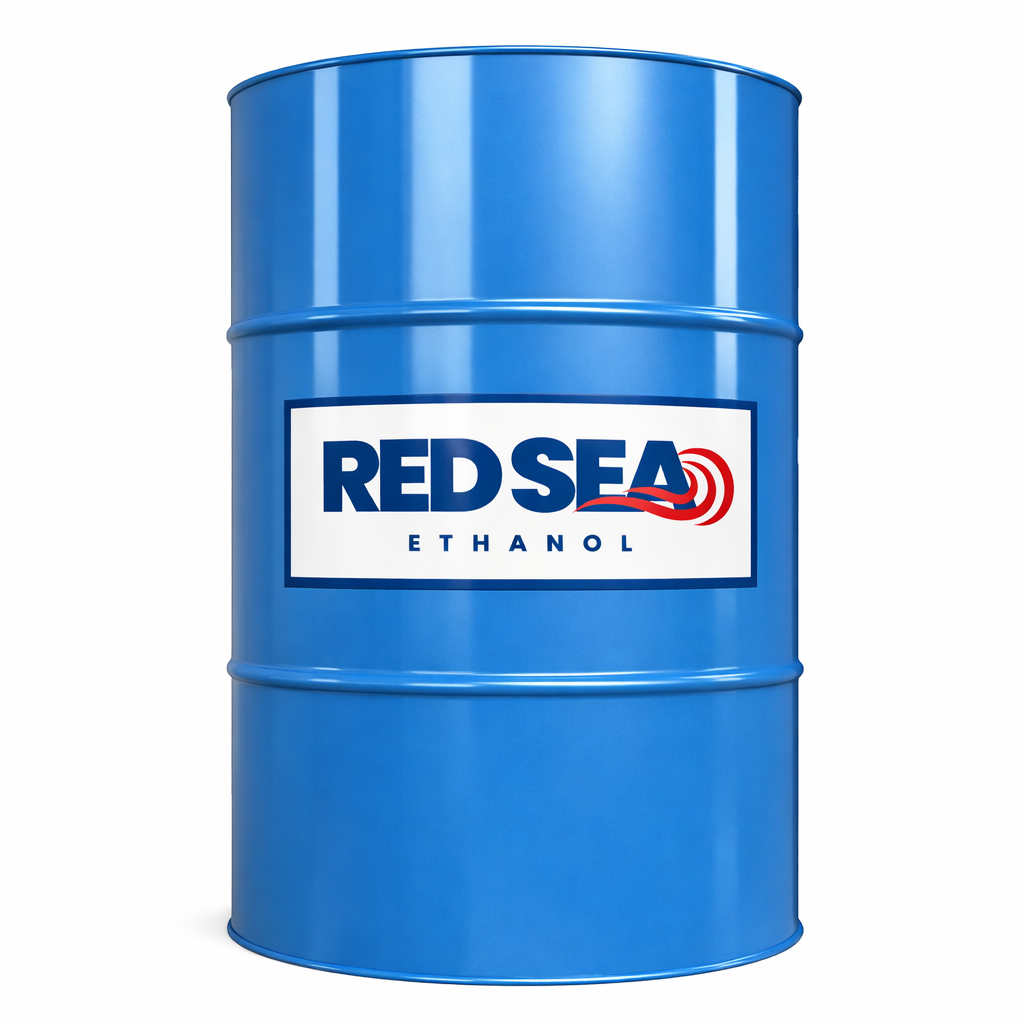
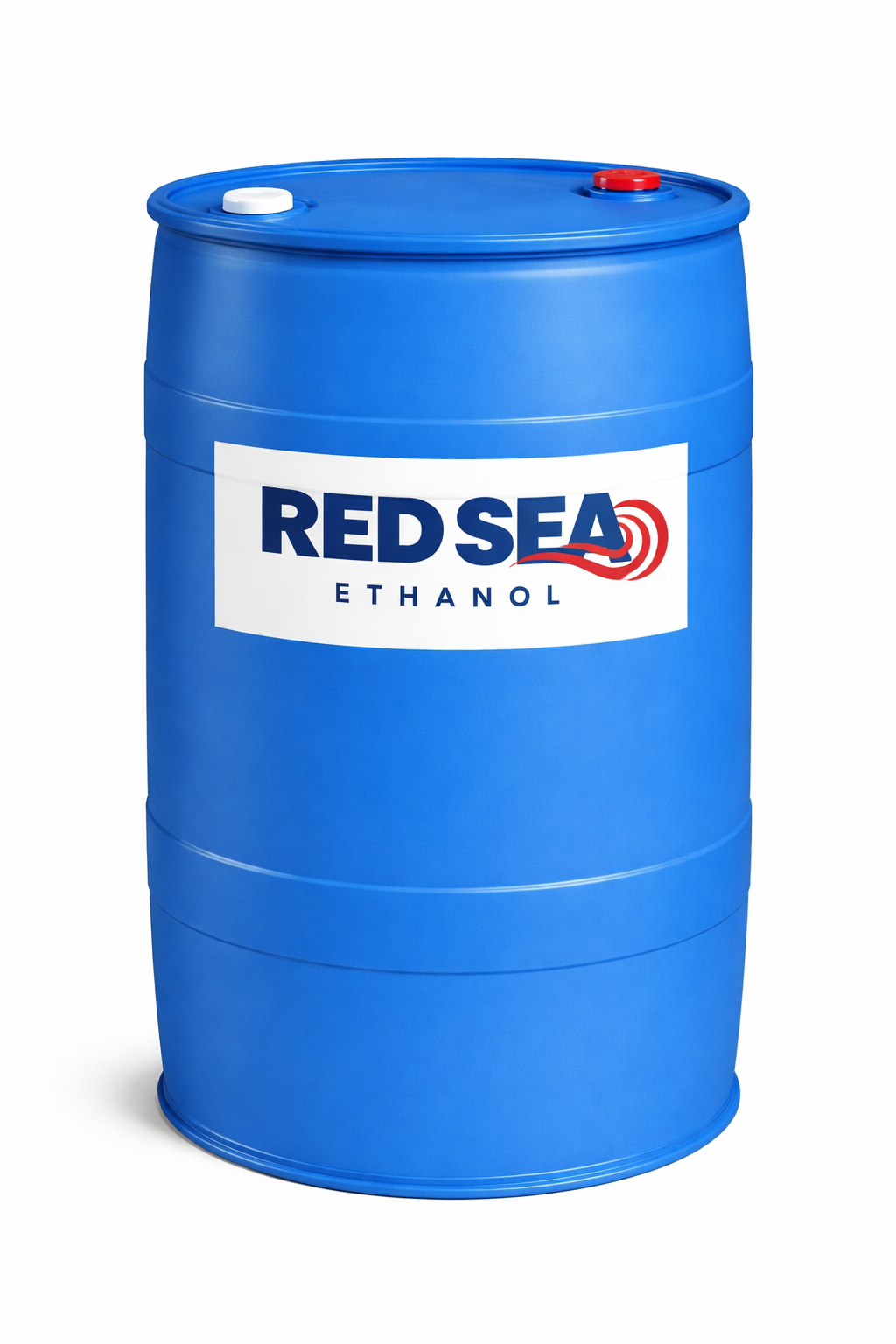
Red Sea Industrial Barrels for Perfumery and Fragrance Industry
For ethanol for perfume manufacturing and ethanol for fragrance industry requirements, our Red Sea brand provides anhydrous, high purity ethanol in 205 L and 220 L barrels.
This cosmetic grade ethanol and perfumers alcohol supports essential oil solubilization, controlled evaporation profiles, and clean dry-down characteristics in high-end fragrance formulations.
IBC Tanks: Bridging Barrels and ISO Tanks in the Packaging Range
Intermediate Bulk Containers (IBC tanks) offer a flexible, palletized format that bridges traditional barrels and full ISO tanks, ideal for medium to high volume users of industrial ethanol and bioethanol industrial use.
IBC tanks simplify handling for ethanol manufacturer and ethanol supplier operations, reducing transfer time and helping maintain consistent quality for ethanol solvent across multiple production lines.
Medical-Grade Ethanol 99.9% in IBC Tanks
Our IBC packaging for medical grade ethanol and Absolute ethanol 99.9% supports hospitals, pharmaceutical manufacturing, and large analytical laboratories that run continuous or high-throughput processes.
Users apply this ethanol for hand sanitizer blending, ethanol for medical disinfection, and ethanol for chromatography sample preparation where high purity ethanol and reliable traceability are imperative.

Red Sea IBC Tanks for Perfumery and Industrial Applications
For perfumery and other industrial ethanol uses, Red Sea IBC tanks provide a compact, high volume option for perfumers alcohol and cosmetic grade ethanol in integrated manufacturing environments.
This format suits ethanol for perfume manufacturing when you need enough volume to feed automated lines, without the logistical footprint of an ISO tank.
This infographic visualizes three packaging options for ethanol—Barrel, IBC Tank, and ISO Tank. It highlights the Barrel to ISO Tank Ethanol Packaging Range.
ISO Tanks: Large-Scale Packaging for Pharmaceutical and Industrial Supply
ISO tanks represent the upper end of the barrel to ISO tank ethanol packaging range, supporting continuous manufacturing, export logistics, and centralized distribution hubs.
Most standard ISO tanks carry between 21,000 and 26,000 liters, with many ethanol users standardizing on about 24,500–25,000 liters per ISO tank for planning purposes.
Medical-Grade ISO Tanks for High Purity and Pharmaceutical Use
Our medical-grade Ethanol 99.9% ISO tank format is designed for pharmaceutical ethanol supplier GCC customers, large diagnostic networks, and ethanol for laboratory use at industrial scale.
This packaging supports high purity ethanol requirements, including laboratory grade ethanol and ethanol for chromatography where batch homogeneity and documentation are essential.
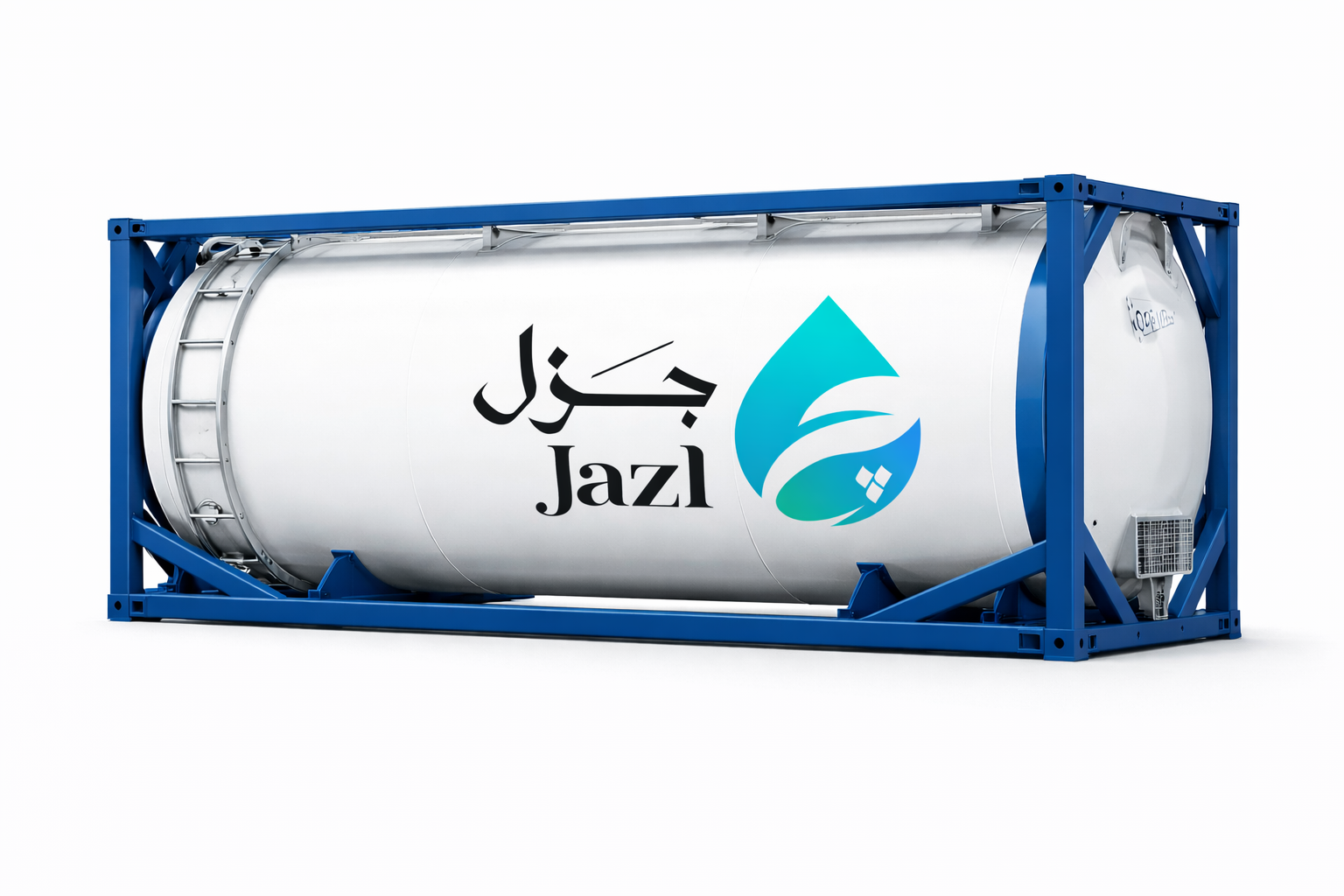
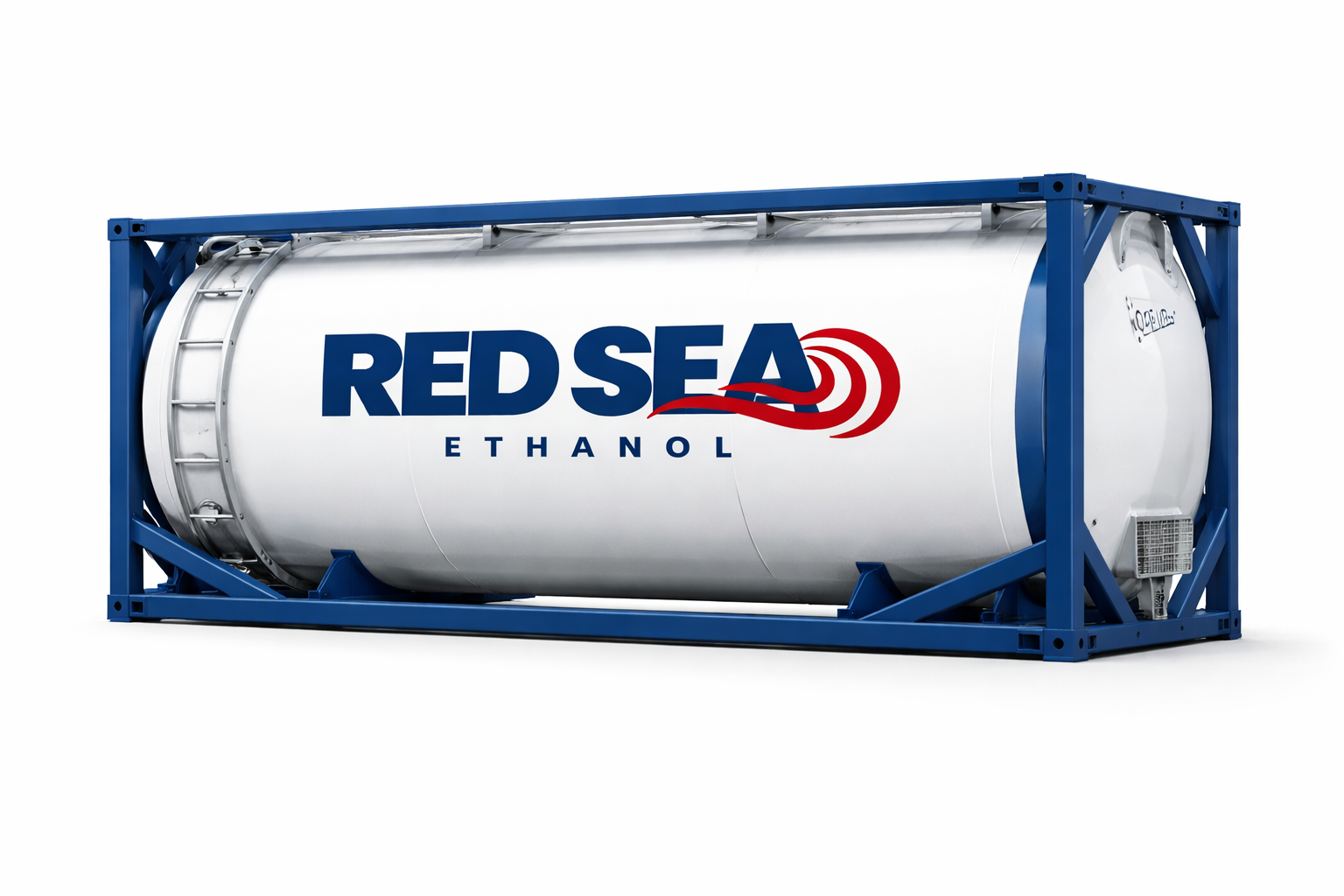
Red Sea ISO Tanks for Perfumery, Industrial Ethanol, and Bioethanol Industrial Use
For industrial ethanol applications, including ethanol for perfume manufacturing, perfumers alcohol, and broader bioethanol industrial use, Red Sea ISO tanks deliver scale with consistent quality.
This format is suitable for centralized production plants, export terminals, and large users that require a stable supply of denatured ethanol or neat high purity ethanol, depending on specification.
Comparing Barrels, IBCs, and ISO Tanks for Different Ethanol Grades
Choosing between barrel, IBC, and ISO tank depends on both volume and grade requirements, from cosmetic grade ethanol to pharmaceutical grade ethanol and laboratory grade ethanol.
Below is a simplified comparison to help procurement and technical teams align ethanol packaging with operational needs.
| Packaging | Typical Volume | Best For | Common Grades |
|---|---|---|---|
| 205–220 L Barrel | Single drum, palletizable | Batch manufacturing, multiple sites, perfumery, hospital use | Medical grade ethanol, cosmetic grade ethanol, industrial ethanol |
| IBC Tank | ~1,000 L | Medium to large plants, frequent transfers, centralized dosing | Pharmaceutical grade ethanol, ethanol for chromatography, ethanol solvent |
| ISO Tank | ~21,000–26,000 L | Bulk import/export, large plants, ethanol production plant logistics | High purity ethanol, bioethanol industrial use, denatured ethanol |
For smaller but still professional use, our 2.5 L and 25 L containers help R&D labs and QC teams handle Absolute ethanol 99.9% without decanting from large bulk tanks.
At the other end, ISO tanks minimize transfers and help bulk ethanol supplier operations standardize on one large-volume format regionally.
Use-Case Matching: Medical, Laboratory, Cosmetic, and Industrial Applications
Different applications require different specifications, even if all use Absolute ethanol 99.9% at the core, so packaging and grade selection must be coordinated together.
Medical facilities typically prioritize medical grade ethanol and pharmaceutical grade ethanol, while perfumers or coating manufacturers may require cosmetic grade ethanol or industrial ethanol with specific impurity profiles.
Healthcare and Laboratory Use
In hospitals and labs, ethanol for hospital sanitization, ethanol for medical disinfection, and ethanol for antiseptic production require controlled water content, strict contaminant limits, and reliable documentation.
Barrels and IBCs are popular in this segment because they balance traceability with manageable on-site handling for pharmacy and central sterilization services.
Cosmetics, Perfumery, and Fragrance Industry
Perfumers alcohol and ethanol for fragrance industry applications are extremely sensitive to odor, residue, and non-volatile impurities that can alter fragrance profiles.
Here, small containers for formulation plus barrels or IBCs for production provide flexibility while keeping each batch of cosmetic grade ethanol manageable and verifiable.
Industrial and Bioethanol Applications
In coatings, inks, cleaning formulations, and bioethanol industrial use, volume typically dominates packaging decisions, with ISO tanks or tankers feeding large-scale processes.
Industrial ethanol grades may be denatured ethanol, where additives are introduced at the ethanol production plant to meet regulatory and application-specific requirements.
Quality, Purity, and Mislabeling Risks Across Packaging Formats
Regardless of packaging size, the most important parameter for technical buyers is purity, particularly for high purity ethanol, laboratory grade ethanol, and pharmaceutical grade ethanol.
Mislabeling in the market can combine lower purity industrial ethanol with labels that suggest higher grades, so we emphasize clear specifications and documentation for every barrel, IBC, and ISO tank.
What to Request from an Ethanol Manufacturer or Supplier
For every shipment, you should request a certificate of analysis, details on water content, impurity profile, and whether the product is denatured ethanol or not.
For ethanol for chromatography or other HPLC-level applications, you should also clarify detection limits for relevant contaminants and verify that the ethanol manufacturer follows consistent refining practices.
Packaging Integrity and Storage Conditions
Barrels, IBCs, and ISO tanks all require proper seals, venting controls, and inert materials to avoid leachables that could compromise medical grade ethanol or cosmetic grade ethanol.
Storage in a cool, well-ventilated area, away from ignition sources, is mandatory for all packaging formats, and stock rotation practices help maintain product consistency over time.
Logistics and Cost Considerations: From Saudi Arabia to GCC and Beyond
For buyers in Saudi Arabia, GCC, MENA, and African markets, the choice between barrel and ISO tank is also a logistics decision that influences freight cost per liter and handling complexity.
Barrels and IBCs are practical for regional distribution and smaller plants, while ISO tanks are optimal for cross-border shipments or for large local ethanol production plant connections.
Container Loading Scenarios
A 20-foot container loaded with 80 drums of 250 L each carries about 20,000 liters of ethanol, while a single ISO tank commonly carries 24,500–25,000 liters, which often reduces cost per liter shipped.
However, if your sites require independent batches, multiple barrel lots may still be preferable for quality assurance reasons, even if per-liter freight is slightly higher.
How to Build an RFQ for Barrel to ISO Tank Ethanol Supply
To help you source from an ethanol manufacturer Saudi Arabia or an ethanol supplier Middle East partner efficiently, your request for quote should be structured and detailed.
A clear RFQ reduces back-and-forth, ensures the correct packaging choice, and helps your teams compare quotations from any bulk ethanol supplier on a like-for-like basis.
What We Need From You for a Quote
- Required purity and grade, for example medical grade ethanol, pharmaceutical grade ethanol, cosmetic grade ethanol, or industrial ethanol.
- Planned applications, such as ethanol for hospital sanitization, ethanol for perfume manufacturing, ethanol for laboratory use, or ethanol for chromatography.
- Preferred packaging, for example 205–220 L barrel, IBC tank, ISO tank, or mixed formats across sites.
- Total volume per shipment and estimated annual volume.
- Delivery location, incoterms preference, and any denatured ethanol requirements.
- Documentation and certification needs, such as CoA parameters, regulatory conformity, or audit requirements.
Once we receive these details, our technical and commercial teams can recommend optimal combinations in the barrel to ISO tank ethanol packaging range for your specific operations.
Conclusion
The barrel to ISO tank ethanol packaging range exists to match high purity ethanol, medical grade ethanol, and industrial ethanol grades with the real-world needs of hospitals, laboratories, fragrance houses, and manufacturing plants.
By aligning volume, grade, and packaging format, you can control cost, safeguard quality, and simplify logistics, and our role as an ethanol manufacturer and ethanol supplier is to provide the technical guidance and reliable packaging options your teams need. If you are planning new capacity or revisiting existing supply, we encourage you to request a quote and talk to our team about your required purity and specification so we can configure the right combination of barrels, IBCs, and ISO tanks for your facilities.
