
GCC regulators are rapidly tightening expectations on solvents, and GCC chemical plants already operate at about 93% capacity utilization, which means pharma ethanol users face high compliance expectations with limited room for error in sourcing and handling. In this article, we explain how GCC solvent regulations impact pharmaceutical ethanol, medical grade ethanol, and related grades used across pharma, laboratory, cosmetic, and industrial applications.
Key Takeaways
| Question | Answer |
|---|---|
| What purity of ethanol is typically expected for pharma use in the GCC? | Most pharma and medical applications in the GCC require pharmaceutical grade ethanol near absolute ethanol 99.9%, with impurity profiles aligned to ICH Q3C(R9) residual solvent expectations. For example, our Ethanol 99.9% – 25 L medical grade is designed around this requirement. |
| How is hazard communication for ethanol changing in the GCC? | The GCC is finalizing a GHS Rev 10 based regulation that will require bilingual (Arabic and English) labeling and updated SDS content for all ethanol solvent grades, including ethanol for medical disinfection and ethanol for hospital sanitization. |
| Do GCC regulators follow international solvent guidelines for pharma? | Yes. Saudi SFDA refers to international VICH guidelines on impurities, and GCC pharma increasingly uses the ICH Q3C(R9) framework when setting residual solvent limits in processes that use high purity ethanol and other solvents. |
| What about ethanol in veterinary and related products? | SFDA issued a dedicated residual solvent guideline for veterinary medicines in 2025, which directly affects ethanol used as a solvent in pharmaceutical grade ethanol based veterinary APIs, excipients, and finished products. |
| How should buyers in the GCC source compliant pharma ethanol? | Work directly with an ethanol manufacturer or bulk ethanol supplier that can provide batch COAs, GHS-compliant SDS, and traceability. Our facility in Saudi Arabia manufactures Ethanol 99.9% – 2.5 L and larger pack sizes locally to support GCC regulatory needs. |
| Which ethanol grades are regulated in the GCC? | All grades used in regulated environments are impacted, including medical grade ethanol, laboratory grade ethanol, cosmetic grade ethanol, and industrial ethanol used in ethanol for hand sanitizer, ethanol for antiseptic production, and ethanol for perfume manufacturing. |
1. Regulatory Landscape for Pharma Ethanol in the GCC
Pharma ethanol in the GCC sits at the intersection of pharmaceutical, chemical, and environmental regulation. Regulators are tightening controls on volatile organic compounds, with GCC VOC emission limits moving toward around 180 g/L for certain solvent-based products, which directly affects how ethanol solvent systems are formulated and used.
For ethanol used as a solvent in pharmaceutical manufacturing, hospitals, and laboratories, authorities in Saudi Arabia and other GCC states expect alignment with international guidelines such as ICH Q3C(R9) for residual solvents, as well as local SFDA and Gulf Standardization Organization (GSO) standards.
Why GCC Pharma Buyers Need High Purity Ethanol
Within this framework, buyers increasingly specify medical grade ethanol, pharmaceutical grade ethanol, and absolute ethanol 99.9% to ensure minimal residual impurities and predictable performance. This is especially critical for ethanol for chromatography, ethanol for laboratory use, and solvent systems in dosage form manufacturing.
As a local ethanol manufacturer Saudi Arabia, we see regulators focusing not just on purity but also on traceability, documentation, and consistent impurity profiles across batches.
2. International Baselines: ICH Q3C(R9) and EMA Adoption
GCC solvent regulations for pharma ethanol do not exist in isolation. They are increasingly harmonized with ICH Q3C(R9), the global residual solvents guideline that was updated to Step 5 in 2024 and already adopted by EMA, including revised permitted daily exposures and solvent classifications.
In practice, this means that processes using high purity ethanol and co-solvents must consider ethanol either as a process solvent that is largely removed, or as a functional excipient that needs a controlled specification and a clear justification in regulatory dossiers.
Impact on Specification Setting and QC
For GCC pharma facilities, QC teams use Q3C(R9) tables to set acceptable residual levels for ethanol and other solvents in finished products, intermediates, and excipients. This directly affects acceptance criteria for pharmaceutical grade ethanol and laboratory grade ethanol used in synthesis and formulation.
When we qualify our absolute ethanol 99.9%, we align analytical methods and impurity thresholds to these frameworks so that our customers can integrate our COAs directly into their validation packages.
3. SFDA and VICH: Residual Solvents in Veterinary and Related Products
Saudi Food and Drug Authority has explicitly signaled the importance of solvent control by publishing a guideline on residual solvents in veterinary medicinal products, active substances, and excipients in early 2025. This document references international VICH impurity guidelines and extends solvent expectations into veterinary APIs and dosage forms.
For ethanol, this means that any use in veterinary formulations, disinfectants used in veterinary settings, or ethanol-based excipients must have clearly controlled impurity profiles and validated removal where relevant.
What This Means for Ethanol-Based Veterinary Applications
Veterinary manufacturers that depend on ethanol solvent systems, including ethanol for medical disinfection in animal facilities and ethanol-based topical formulations, need to source from suppliers that can provide consistent quality documentation. SFDA expects impurity control similar to human medicines when risk justifies it.
As ethanol production plant operators in the region, we see veterinary solvent expectations converging on human-pharma standards, particularly where medical grade ethanol is shared between veterinary and human product lines.
Three key regulatory considerations for pharma ethanol in the GCC are summarized in this infographic, focusing on compliance, purity, and labeling.

4. GHS Rev 10 in the GCC: Labeling and SDS for Ethanol Solvents
One of the most direct changes for pharma ethanol users is the GCC move toward a GHS Rev 10 based hazard communication framework. The final draft requires bilingual labels in Arabic and English and specifies that safety data sheets must be at least in English, with Arabic optional but recommended.
This affects all ethanol grades used in regulated environments, from ethanol for hospital sanitization and ethanol for hand sanitizer to ethanol for antiseptic production, and ethanol for laboratory use.
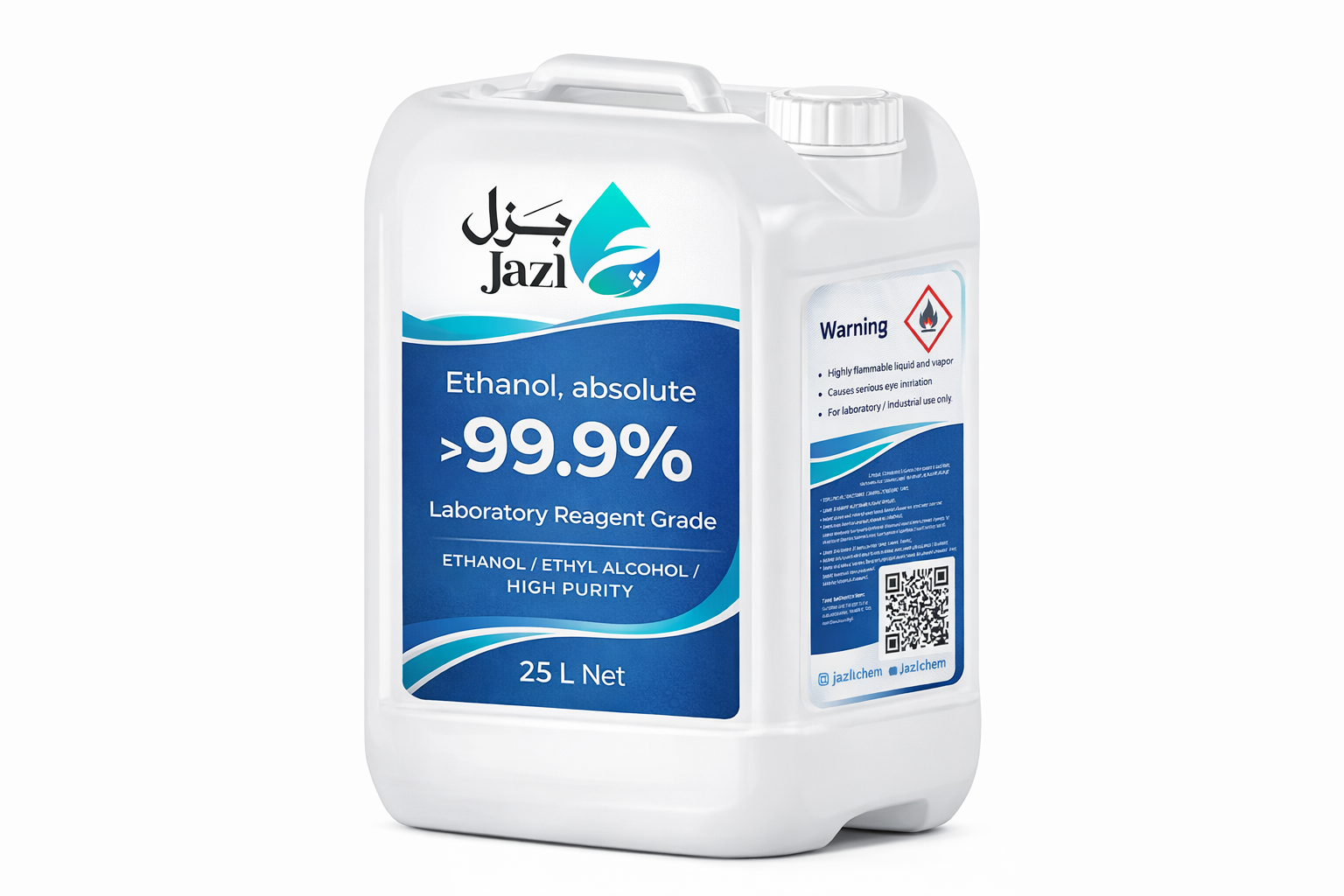
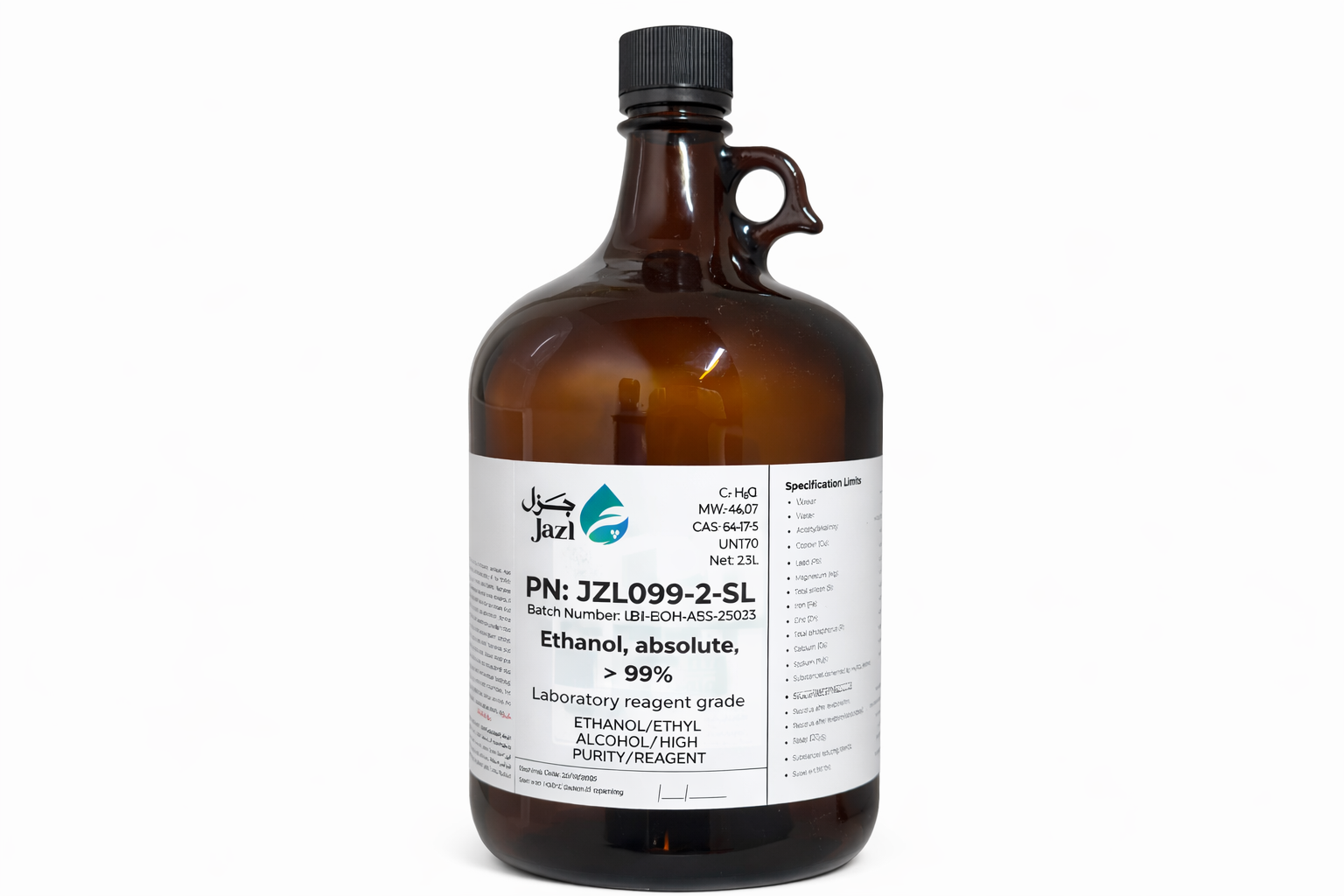
What Needs To Appear on Ethanol Labels
- Correct GHS classification for flammability and health hazards relevant to ethanol.
- Signal words and hazard statements in both Arabic and English.
- Supplier identification, including the actual ethanol manufacturer or ethanol production plant, not only traders.
- Clear product naming that differentiates medical grade ethanol, cosmetic grade ethanol, and industrial ethanol.
We prepare our labels and SDS to match GCC GHS expectations so that hospitals, pharma plants, and labs can integrate our containers into their own hazard communication systems with minimal rework.
5. Environmental and VOC Controls on Ethanol Use in Pharma
Regulatory pressure in the GCC is not limited to product quality and labeling. GCC environmental reports show major reductions in CO2 intensity and wastewater discharge in the chemical sector, combined with hundreds of millions of dollars of planned environmental investment.
For pharma ethanol users, this translates into stricter expectations on solvent waste management, emissions controls, and efficient recovery or incineration of ethanol-rich off-gases.
VOC Limits and Solvent Management
Limits around 180 g/L in certain solvent-based product categories push manufacturers to reconsider solvent content in ethanol for perfume manufacturing, perfumers alcohol, and ethanol for fragrance industry applications, especially when products are marketed across multiple GCC states.
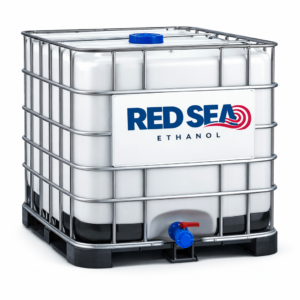
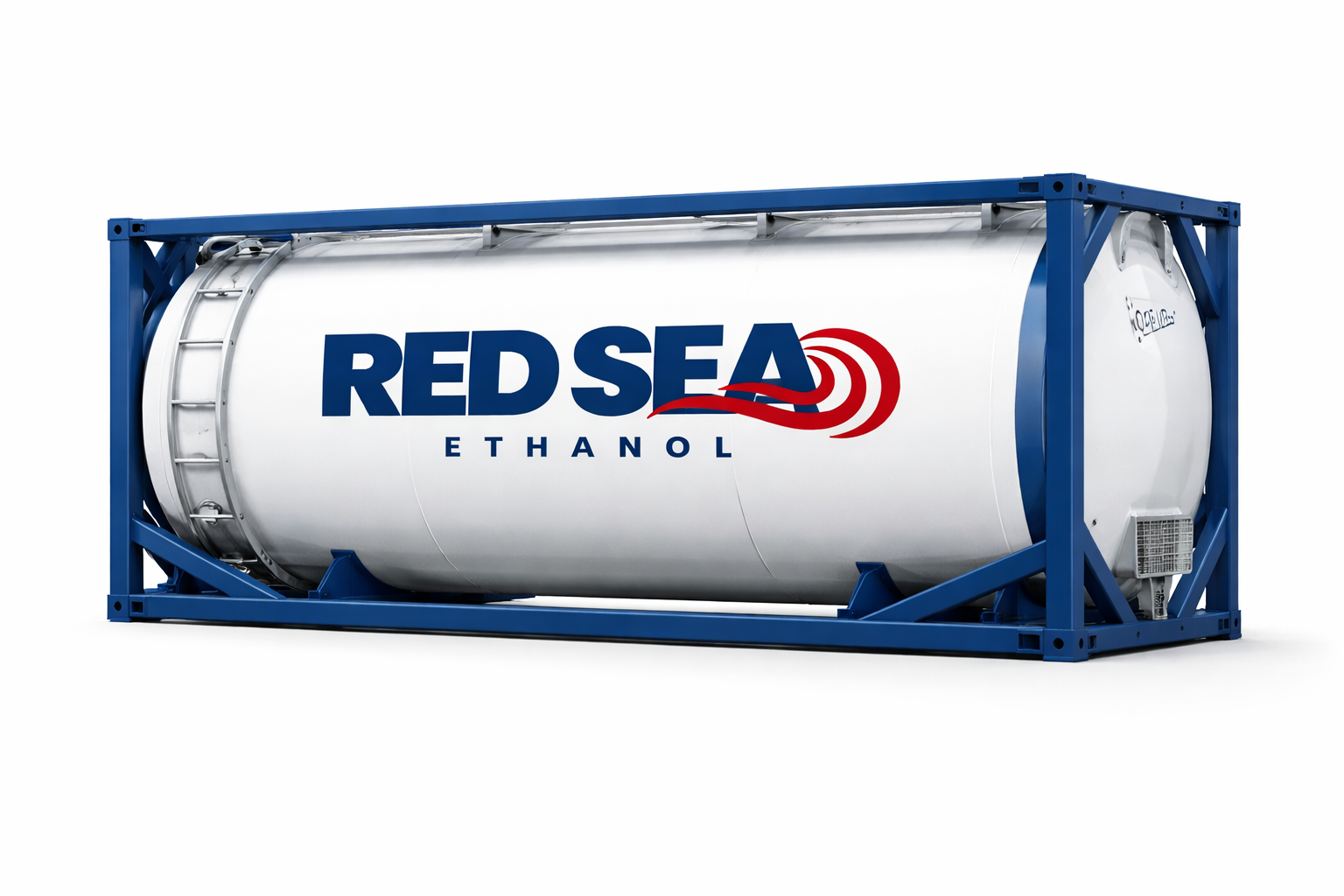
Our role as a pharmaceutical ethanol supplier GCC includes discussing with clients how drum, IBC, and ISO-tank deliveries can align with their recovery infrastructure and help them maintain compliant VOC and emissions profiles.
6. Distinguishing Pharma, Lab, Cosmetic, and Industrial Ethanol Under GCC Rules
In GCC markets, mislabeling between medical grade ethanol, laboratory grade ethanol, cosmetic grade ethanol, and industrial ethanol is a real risk. Regulators expect clear differentiation and will increasingly scrutinize labels and documents to ensure that solvent grades match claimed use.
For example, ethanol for medical disinfection, ethanol for hospital sanitization, and ethanol for hand sanitizer must meet medical or healthcare-use standards, while ethanol for perfume manufacturing and perfumers alcohol can follow industrial or cosmetic solvent frameworks, provided impurity and denaturant profiles are correctly communicated.
Key Differentiation Factors
- Purity level (such as 99.9 % anhydrous vs. lower grades).
- Impurity specifications, especially methanol and fusel oils.
- Denatured ethanol vs non denatured, which affects duty, allowed uses, and handling rules.
- Documentation package (COA, SDS, origin statement, GMP or ISO certificates).
We manufacture high purity ethanol in different packaging formats so that buyers can match solvent specification and packaging to their regulatory environment and application, from chromatography to bulk industrial use.
7. Packaging Formats and Their Regulatory Implications
GCC solvent regulations do not only care about what is inside the drum. They also touch how ethanol is packaged, stored, and transported, especially for flammable solvents used in hospitals, pharmaceutical production, and industrial environments.
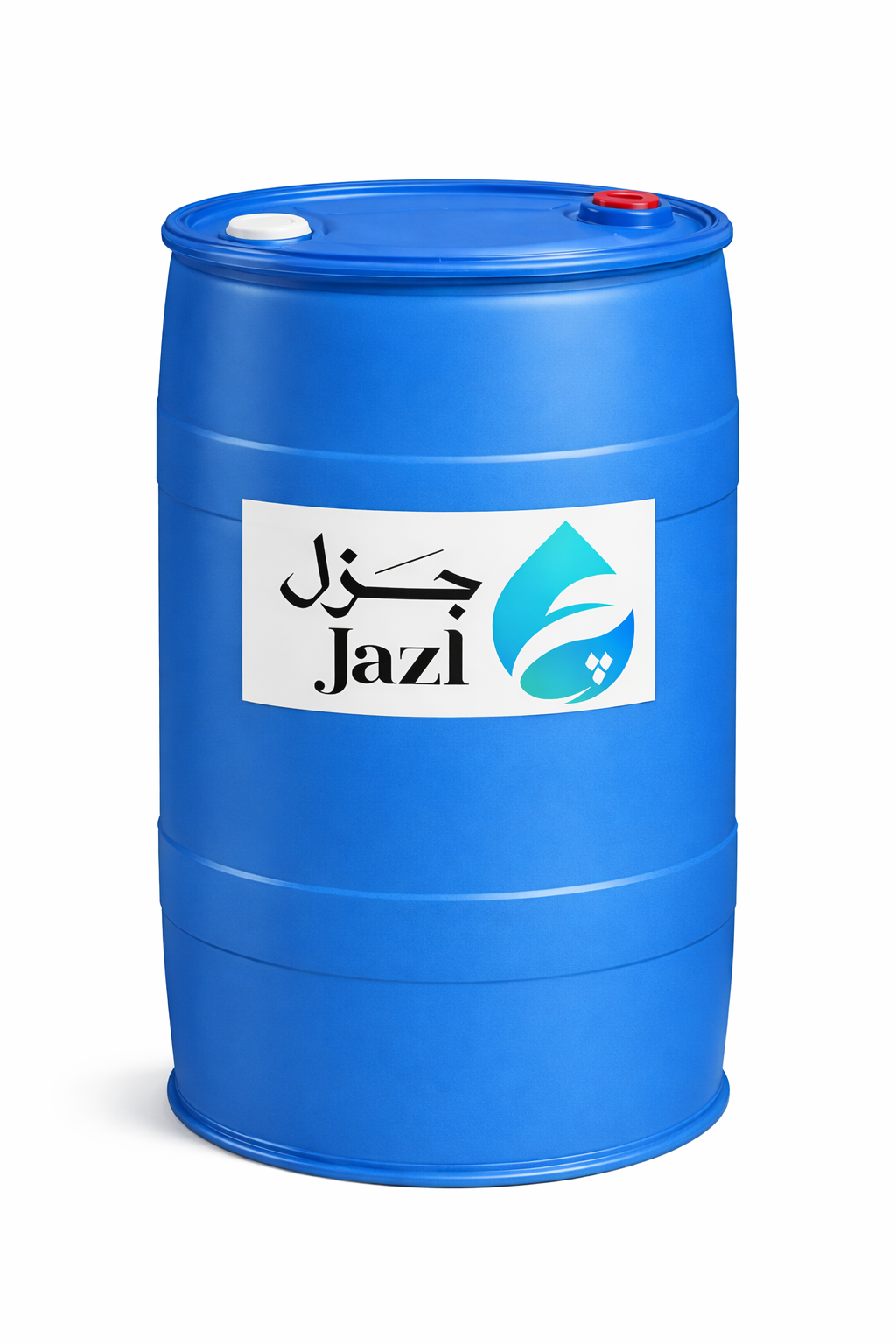
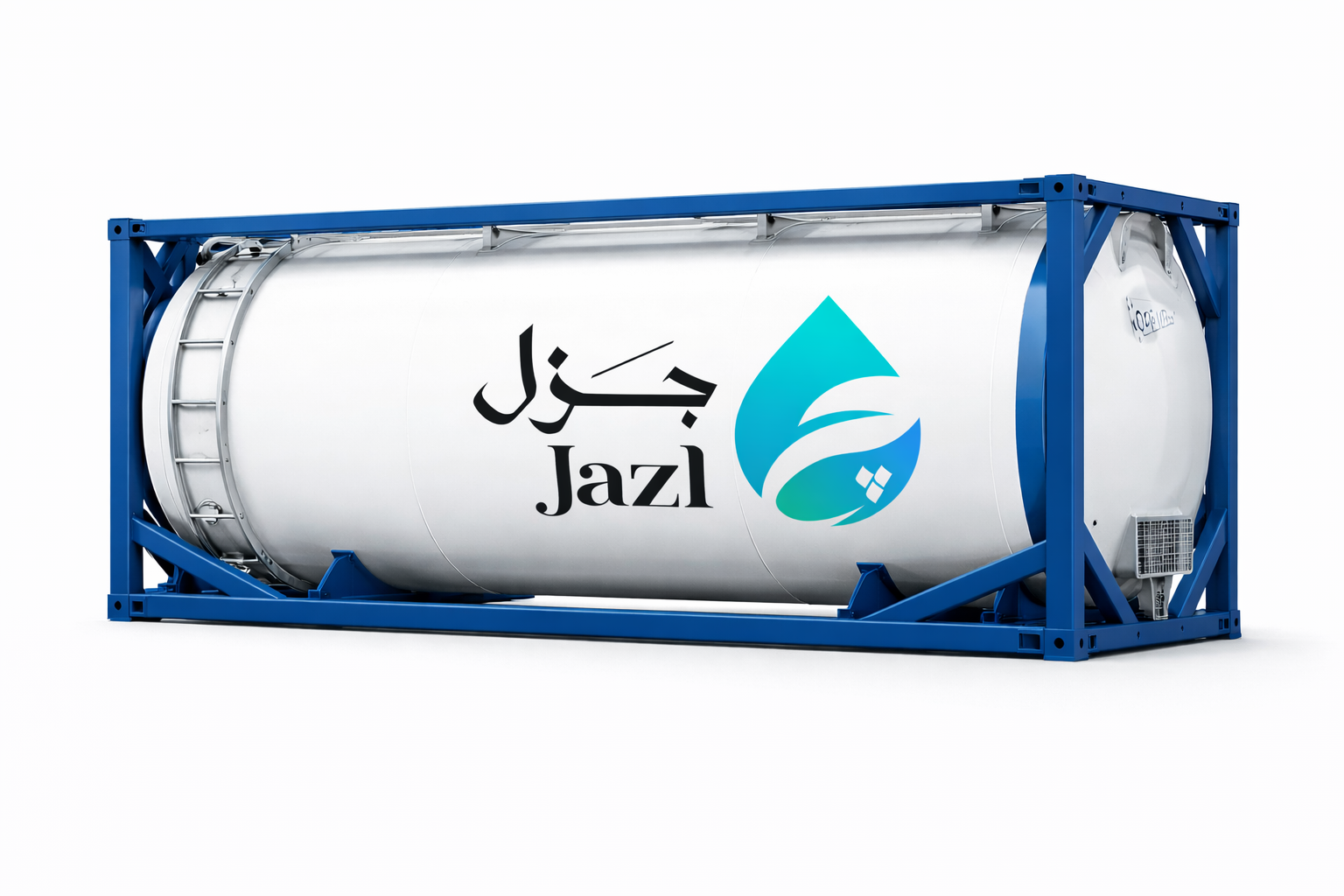
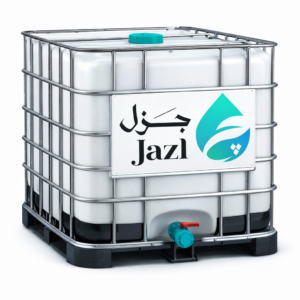
High volume customers typically choose between 2.5 L laboratory containers, 25 L canisters, 205 to 220 L barrels, IBC tanks, and ISO tanks, each with different regulatory expectations around labeling, transport documentation, and on site storage approvals.
Examples of Compliant Packaging in the GCC
- 2.5 L and 25 L for controlled ethanol for laboratory use and small scale formulation work.
- 220 L barrels for centralized ethanol for hospital sanitization and bulk ethanol for antiseptic production.
- IBC and ISO tanks for high volume pharma manufacturing, perfumery, and bioethanol industrial use.
As an ethanol supplier Middle East, we label each packaging format according to the applicable transport and GHS requirements so that our customers can integrate them into their safety and logistics frameworks.
8. Documentation Buyers Should Request From an Ethanol Supplier in the GCC
Given the regulatory environment, documentation is as important as the ethanol itself. To avoid compliance and quality risks, pharma, cosmetic, and industrial buyers should standardize what they request from any bulk ethanol supplier.
Consistent documentation also helps internal QA and regulatory teams respond quickly to inspections and audits, especially when products rely heavily on ethanol solvent systems.
Minimum Documentation Checklist
- Batch specific Certificate of Analysis covering assay, impurities, and water content.
- GHS conformant Safety Data Sheet aligned with GCC GHS Rev 10 expectations.
- Statement of origin confirming local ethanol production plant vs re packaged imported material.
- Relevant certifications, such as ISO quality management for the ethanol manufacturer.
- Confirmation of grade, such as pharmaceutical grade ethanol, laboratory grade ethanol, cosmetic grade ethanol, or industrial ethanol.
When you Request a Quote from us, our team can share a standard documentation pack and adapt it to your internal regulatory and QA templates where needed.
What We Need From You For a Quote
- Required purity and grade (for example, absolute ethanol 99.9% for chromatography or medical grade for antiseptics).
- Intended application (pharma manufacturing, ethanol for fragrance industry, ethanol for hospital sanitization, etc.).
- Estimated monthly or annual volume.
- Preferred packaging (2.5 L, 25 L, 220 L barrel, IBC, ISO tank).
- Delivery location within Saudi Arabia, GCC, or export destinations such as Africa.
- Any specific certification or documentation format requested by your QA or regulatory department.
9. Mislabeling Risks and How to Spot Non Compliant Ethanol
In GCC markets, some buyers encounter ethanol mislabeled across grades or falsely presented as pharmaceutical when it is industrial only. This can create major compliance issues if such material enters regulated pharma or hospital environments.
Regulators are increasingly attentive to traceability and label accuracy, especially as GHS Rev 10 comes into force and bilingual hazard messaging becomes mandatory.
Red Flags Buyers Should Watch For
- Missing or incomplete SDS, or SDS not updated to GHS Rev 10 style structure.
- Labels that do not clearly state purity, grade, or manufacturer identity.
- No batch number or COA, or COA that does not match the packaging batch code.
- Ambiguous naming, such as calling product “technical” with no statement of suitable uses.
- Inconsistent pricing relative to market levels for high purity ethanol and absolute ethanol 99.9%.
Working directly with a local pharmaceutical ethanol supplier GCC that controls manufacturing, not only trading, reduces the risk of mislabeling and gives regulators a clear audit trail from plant to final user.
10. Practical Procurement Strategy: From RFQ to Delivery
Under the current and emerging GCC solvent regulations, a structured procurement approach is essential for any organization that depends on pharma ethanol, whether for production, R&D, or hospital operations. This is especially true where supply continuity and regulatory compliance must both be guaranteed.
As an ethanol manufacturer with local capacity in Saudi Arabia, we focus on simplifying this process for B2B buyers that need predictable quality and documentation.
Step by Step Approach
- Define required grade and application: ethanol for chromatography, ethanol for medical disinfection, ethanol solvent for APIs, or perfumers alcohol and ethanol for fragrance industry.
- Align internal specifications with ICH Q3C(R9) and relevant SFDA or GSO expectations.
- Issue an RFQ specifying purity, packaging, documentation, and delivery terms.
- Review supplier responses for manufacturing origin and technical documentation strength.
- Conduct initial batch qualification, including any chromatography or impurity profiling required.
- Establish a supply agreement that covers change control, documentation updates, and audit rights.
By working closely with your regulatory, QA, and procurement teams, we support compliant use of medical grade ethanol, laboratory grade ethanol, cosmetic grade ethanol, and industrial ethanol across the GCC and export markets.
Conclusion
GCC solvent regulations for pharma ethanol are converging with international frameworks, while adding local requirements on language, documentation, environmental performance, and traceability. For buyers across pharma, veterinary, cosmetics, laboratories, and industrial sectors, this raises the bar on how medical grade ethanol, pharmaceutical grade ethanol, and related grades are sourced, specified, and documented.
By partnering directly with a regional ethanol manufacturer that understands GCC standards and operates a local ethanol production plant, you can secure compliant high purity ethanol across all required packaging formats. To discuss your specific solvent needs or to Request a Quote tailored to your application and regulatory requirements, talk to our team about your required purity and specification.
