Pharma solvents sit at the center of modern drug manufacturing, and solvents account for 80–90% of the waste streams in pharmaceutical manufacturing, so getting packaging standards right is a quality, safety, and sustainability decision at the same time.
In this guide we explain how we approach packaging standards for pharma solvents, especially medical grade ethanol and pharmaceutical grade ethanol, so procurement and QC teams can specify the right format with confidence.
Key Takeaways
| Question | Answer |
|---|---|
| What is the most critical requirement for packaging pharma solvents like high purity ethanol? | Packaging must be compatible with the solvent, prevent contamination, and support GMP traceability from our ethanol production plant to your point of use. |
| Which packaging formats are standard for pharmaceutical grade ethanol in bulk? | 220 L and 205 L barrels, IBC tanks, and ISO tanks are the main formats, as seen in our products catalog for 99.9% ethanol. |
| How does medical grade ethanol packaging differ from industrial ethanol packaging? | Medical grade and laboratory grade ethanol require tighter control of materials, cleaning, closures, and documentation compared with general industrial ethanol packaging. |
| What are typical use cases that drive different packaging choices? | We supply ethanol for hand sanitizer, ethanol for medical disinfection, ethanol for hospital sanitization, ethanol for antiseptic production, and ethanol for perfume manufacturing, each with different volume and handling needs. |
| Can the same packaging be used for cosmetic grade ethanol and ethanol for chromatography? | Not always. Ethanol for chromatography often requires higher assurance against extractables and leachables than cosmetic grade ethanol, so packaging specifications can differ. |
| Where can I review available packaging options from a bulk ethanol supplier? | Our shop overview shows 220 L and 205 L barrels, IBC tanks, and ISO tanks for both pharmaceutical grade ethanol and industrial grades. |
| How do I start a bulk order for pharma solvents in the GCC? | As an ethanol manufacturer Saudi Arabia based, we support regional buyers; you can begin by requesting a quote from our team with your required purity, packaging size, and delivery location. |
1. Why Packaging Standards Matter For Pharma Solvents And High Purity Ethanol
Pharma solvents such as absolute ethanol 99.9% are more than just commodities, they directly influence impurity profiles, microbiological risk, and batch-to-batch consistency.
When packaging is poorly specified, even a high purity ethanol leaving an ethanol production plant can reach the user with unacceptable levels of extractables, particles, or moisture.
For pharmaceutical grade ethanol, packaging standards need to align with GMP expectations, pharmacopeial requirements, and internal quality limits.
This applies across applications, including ethanol for hospital sanitization, ethanol for laboratory use, ethanol for chromatography, and ethanol for medical disinfection.
From a lifecycle perspective, packaging formats also determine how efficiently you can store, decant, and recover solvents.
Given that solvents account for up to 80–90% of non‑aqueous materials used in pharmaceutical manufacturing, improvements in packaging standards translate into meaningful reductions in risk and waste.
2. Core Regulatory And Quality Requirements For Pharma Solvent Packaging
Any packaging that comes into direct contact with pharma solvents must respect a layered set of standards.
These usually include GMP or GDP expectations, regional regulatory rules, and internal specifications driven by the intended use of the solvent.
For high purity ethanol, our customers frequently reference ICH guidelines and pharmacopeial monographs when defining packaging expectations.
The updated ICH Q3D guidance on elemental impurities, for example, reinforces the need to understand how container materials interact with solvents over time.
Packaging for medical grade ethanol and laboratory grade ethanol should be validated for compatibility, extractables and leachables, and closure integrity.
This is particularly important where the ethanol solvent is later used in injectables, high potency APIs, or sensitive dosage forms.
On the sustainability side, EU Packaging and Packaging Waste Regulation targets a 15% per‑person packaging waste reduction by 2040, which is already influencing global packaging decisions.
As an ethanol manufacturer and bulk ethanol supplier, we design our packaging options to help you meet both quality and emerging environmental expectations.
3. Typical Packaging Formats For Pharmaceutical Grade Ethanol
For pharma solvents we focus on a clear set of packaging formats that balance safety, logistics efficiency, and flexibility.
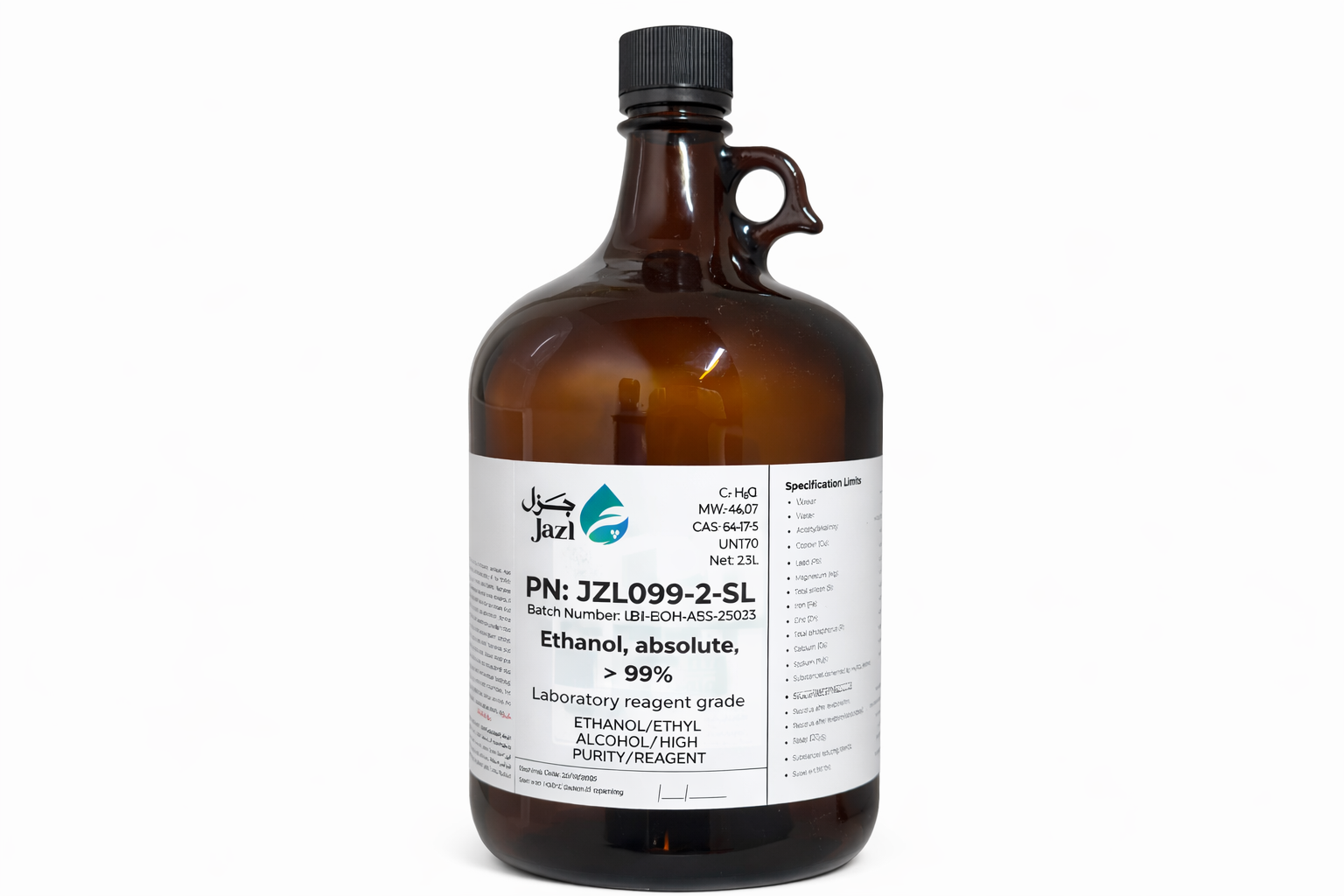
Across our Jezyl and Red Sea ranges, we standardize on 2.5 L, 5 L, 25 L, 205 L and 220 L barrels, IBC tanks, and ISO tanks, with selection driven by your scale and handling infrastructure.
Barrels: 205 L And 220 L For Pharma And Industrial Use
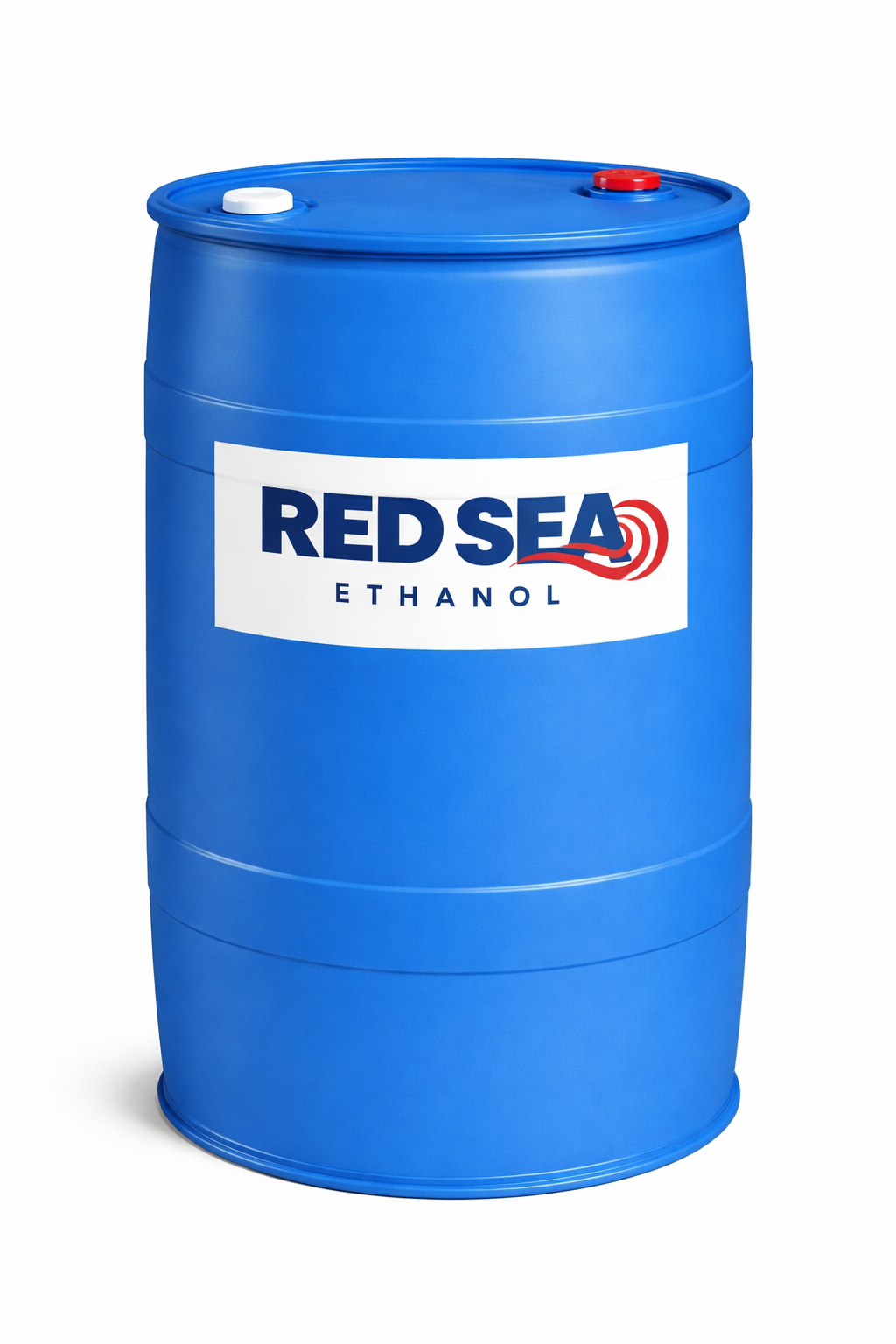
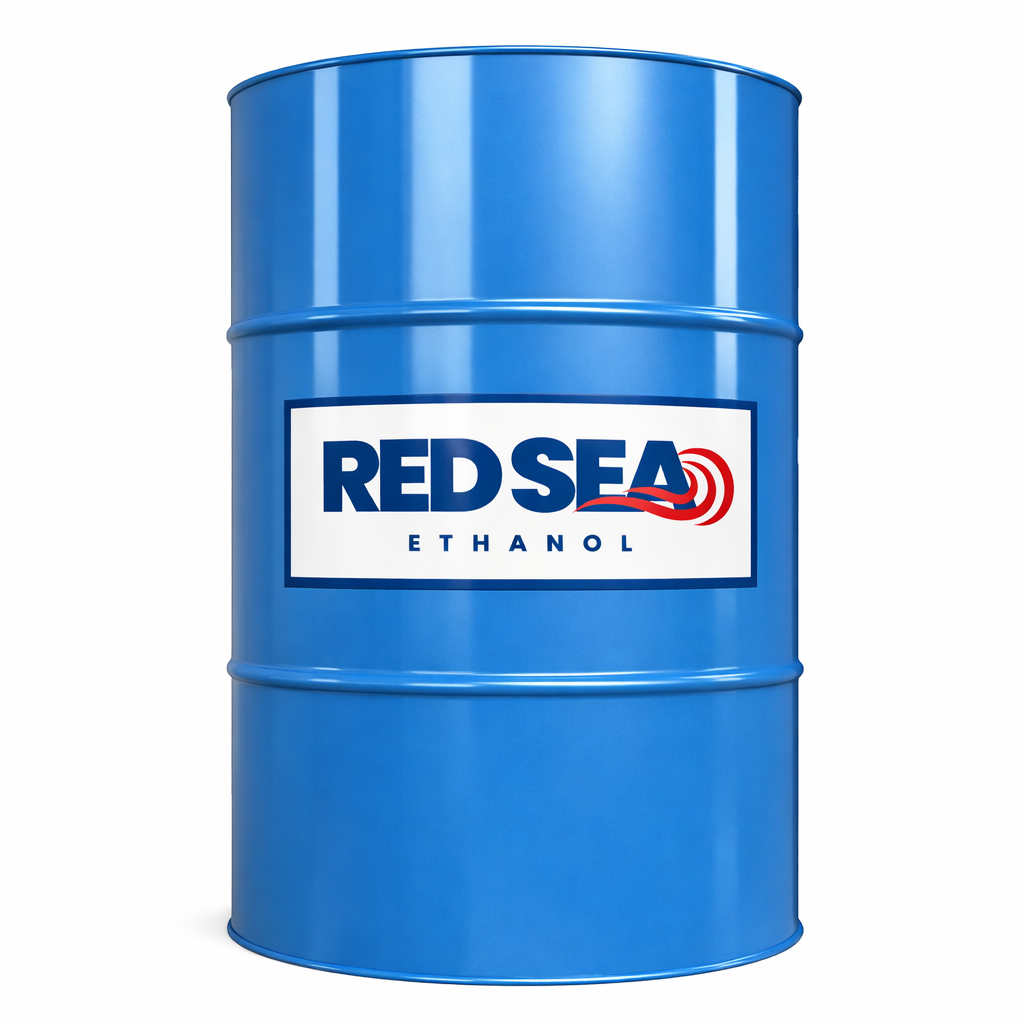
Our 220 L and 205 L barrels are common choices for ethanol for antiseptic production, ethanol for hand sanitizer compounding, and ethanol for medical disinfection in hospital pharmacies.
They offer a controlled footprint, good stackability, and straightforward integration into existing drum-handling systems.
IBC Tanks For High Volume Users
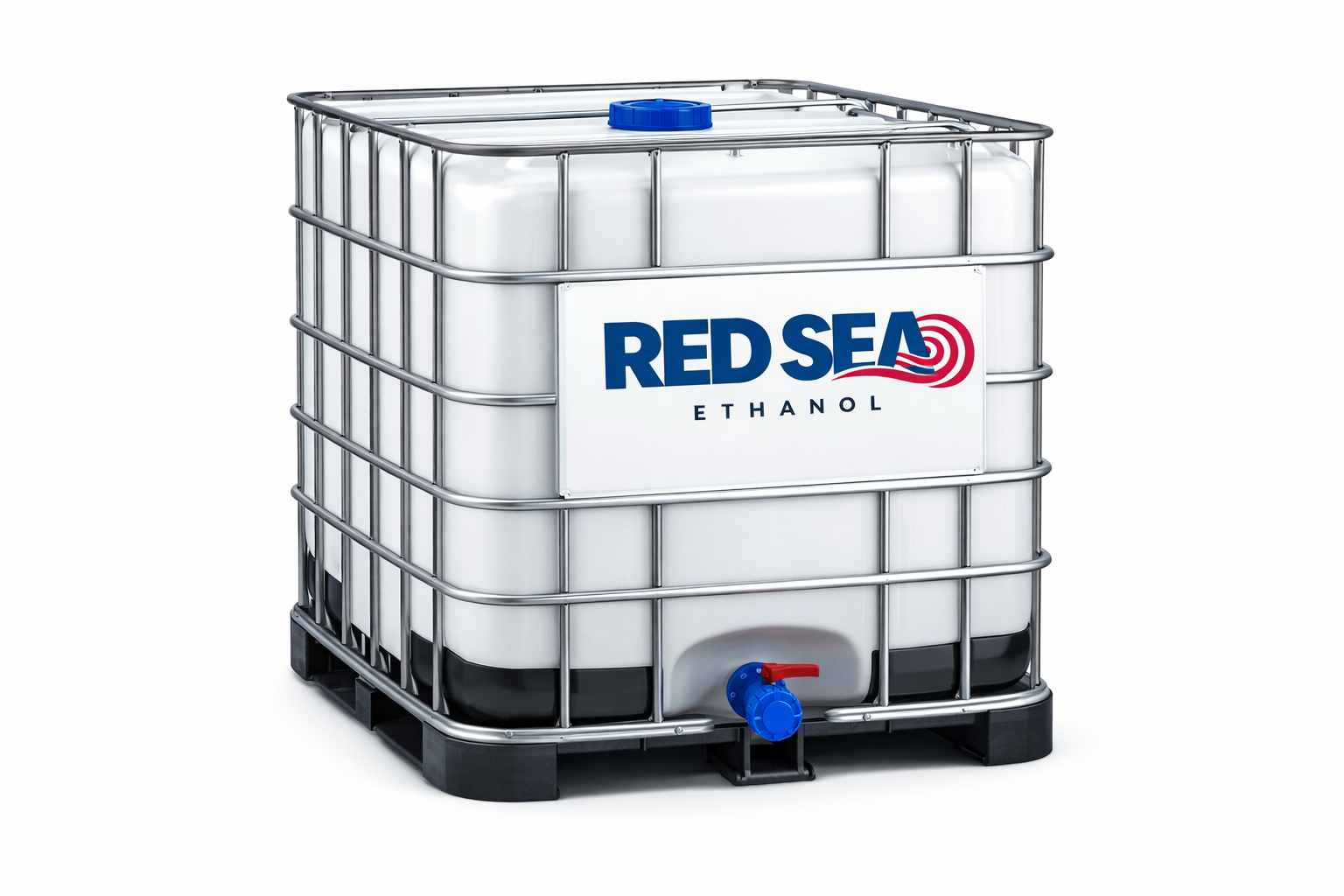
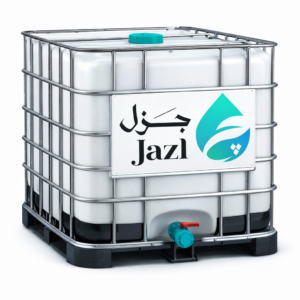
IBC tanks are well suited for sites using ethanol solvent continuously, such as large formulation plants or central hospital production units.
They reduce container counts, help cut per‑liter packaging material use, and simplify inventory control.

ISO Tanks For Large-Scale Distribution
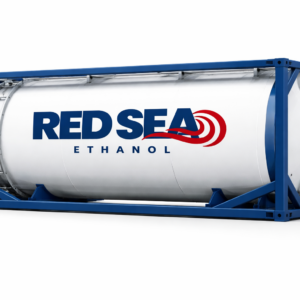
For cross‑border supply in the GCC and broader MENA region, ISO tanks offer the best safety and logistics performance.
They are favored for bulk transfers from our ethanol production plant to your storage tanks, especially where you are sourcing absolute ethanol 99.9% for downstream dilution.
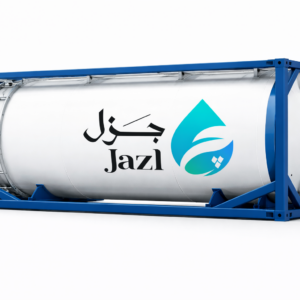
Our Ethanol 99.9% – Medical‑Grade Ethyl Alcohol | ISO Tank format is used by pharma manufacturers, hospitals, and labs that require high purity ethanol with large, single‑batch deliveries.
4. Case Study: Red Sea Ethanol 99.9% Packaging For Perfumery And Industrial Uses
Red Sea Ethanol 99.9% is our anhydrous ethanol range tailored primarily to perfumery and industrial ethanol applications.
These users, including the fragrance industry and cosmetic producers, still require high standards, but usually work under slightly different packaging constraints compared with injectable pharma.
Packaging Options For Perfumers Alcohol And Cosmetic Grade Ethanol
Perfumers alcohol and ethanol for perfume manufacturing benefit from packaging that protects fragrance stability and supports consistent blending.
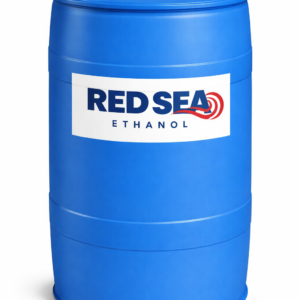
For these clients we commonly supply 205 L and 220 L barrels, IBC tanks, and ISO tanks under the Red Sea brand.
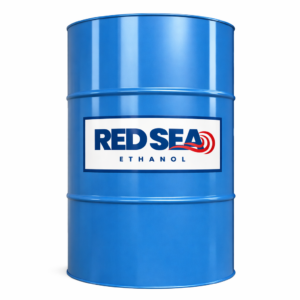
For smaller labs in the fragrance industry, 2.5 L and 5 L formats are often preferred for bench work and pilot batches.
All of these packaging sizes are filled with the same high purity base, suitable as ethanol solvent for precise fragrance formulations.
Industrial Ethanol Uses And Bulk Packaging
Industrial ethanol users, including those purchasing bioethanol industrial use grades, often prioritize logistics and cost per liter.
Here, IBC and ISO tank options provide the best balance of packaging waste management and handling simplicity.
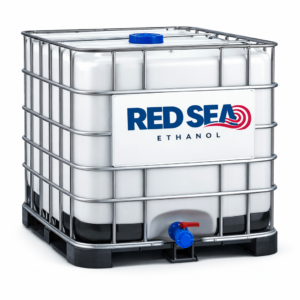
In each case we maintain clear labeling to distinguish between cosmetic grade ethanol, industrial ethanol, and medical grade variants, which is critical for safety and compliance.
This helps avoid misrouting of solvents into incorrect production lines and prevents mislabeling issues that can lead to serious quality deviations.
| Format | Typical Use | Advantages |
|---|---|---|
| 205 / 220 L barrels | Perfumery, cosmetics, antiseptic production | Easy handling, standard in many plants, controlled decanting |
| IBC tank | High volume perfumery, large cosmetic factories | Lower packaging per liter, good warehouse efficiency |
| ISO tank | Bulk cross‑border shipments | Best for long‑distance, minimizes handling steps |
5. Packaging For Medical Grade, Laboratory Grade, And Chromatography Ethanol
For medical grade ethanol, laboratory grade ethanol, and ethanol for chromatography, packaging standards become tighter.
These applications are typically more sensitive to trace contaminants, leachables, and micro-particle contamination.
Small-Volume Packs For Labs And R&D
Our 2.5 L and 5 L small-volume packs for ethanol for laboratory use and ethanol for chromatography are designed for convenient bench handling.
They are typically used in QC labs, method development, and small-scale formulation or analytical work.
In these settings, good packaging practice includes tamper‑evident closures, clear lot numbering, and materials with proven compatibility to maintain the solvent purity defined by your method.
Users handling ethanol for chromatography also expect low background noise from container materials in sensitive analytical techniques.
Barrels And Bulk For Hospital And Pharma Manufacturing
For sites using medical grade ethanol in larger quantities, our 220 L barrels and ISO tanks offer a controlled way to feed production lines while maintaining traceability.
These are frequently selected for ethanol for hospital sanitization, ethanol for medical disinfection, and as an ethanol solvent in various pharmaceutical formulations.
This infographic compares four packaging formats for pharma-grade ethanol. It highlights essential packaging standards for pharma solvents.
6. Denatured Ethanol, Industrial Ethanol, And Special Grades: Packaging Considerations
Not all ethanol used in pharma environments is pharmaceutical grade ethanol.
Some processes rely on denatured ethanol, industrial ethanol, or bioethanol industrial use grades for cleaning, extraction, or non‑critical utilities.
Denatured Ethanol Packaging
Denatured ethanol is typically packaged in similar formats to pure grades, including barrels, IBC, and ISO tanks.
The key packaging standard here is unmistakable labeling and segregation to avoid cross use with medical grade ethanol or cosmetic grade ethanol.
Industrial Ethanol For Cleaning And Utilities
Ethanol for hospital sanitization of non‑critical surfaces or for general plant cleaning may also fall under industrial ethanol specifications.
Packaging for these uses can prioritize logistics and cost, but must still meet safety and local regulatory marking and handling rules.
The same principles apply to ethanol for antiseptic production and ethanol for hand sanitizer, where the solvent is a primary raw material in a regulated product.
In all of these cases we maintain clear product differentiation at the packaging and label level to support your internal segregation.
7. Solvent Compatibility, Materials, And Extractables/Leachables
Ethanol is a powerful solvent, so packaging materials and closures must be compatible over the full intended shelf life.
Poor compatibility can lead to discoloration, particulate release, or changes in solvent profile that impact downstream applications.
Material Selection
Common container materials for ethanol solvent include suitable grades of steel and compatible plastics for drums and IBCs.
For ISO tanks and larger storage, carefully selected linings and seals are essential to avoid contamination or integrity issues.
Extractables And Leachables Pressure
The Extractables and Leachables testing market is growing as regulators focus more on packaging contributions to impurity profiles.
For ethanol for chromatography and other high‑sensitivity uses, buyers increasingly expect packaging systems with validated low E&L profiles.
From our side as an ethanol manufacturer Saudi Arabia based, we align our packaging material choices with these expectations and with regional regulatory norms.
If you have specific internal limits or test methods, we can discuss alignment at the RFQ stage.
8. Sustainability, Solvent Recovery, And Packaging Waste
Packaging standards for pharma solvents are increasingly evaluated through a sustainability lens.
Solvent recovery and reuse programs can dramatically cut both solvent purchases and associated packaging volumes.
Integrated continuous manufacturing with solvent recovery units has been shown to reduce waste and CO2 emissions significantly.
For buyers, this can translate into fewer IBCs and drums per year as recovered solvents offset fresh purchases.
Many of our customers now combine bulk ISO tank deliveries with internal recovery programs for ethanol for medical disinfection and other utilities.
This approach reduces the net number of containers that need to be handled, stored, and disposed of over time.
For ethanol supplier Middle East and GCC operators like us, designing robust bulk packaging standards is a direct way to support your environmental targets while securing supply.
If you are planning or expanding a recovery program for high purity ethanol, we can work with you to align delivery formats with your internal recycling strategy.
9. Practical Procurement Guide: Specifying Packaging For Pharma Solvents
When you prepare an RFQ for pharma solvents, clear packaging specifications avoid delays and misalignments.
Below is a practical checklist that we suggest procurement and QC teams use when approaching any ethanol manufacturer or bulk ethanol supplier.
- Define the grade: medical grade ethanol, pharmaceutical grade ethanol, cosmetic grade ethanol, laboratory grade ethanol, or industrial ethanol.
- Specify purity: for example, absolute ethanol 99.9% or high purity ethanol with specific impurity limits.
- Select packaging format: 2.5 L, 5 L, 25 L, 205 L, 220 L barrel, IBC tank, or ISO tank.
- Indicate end use: ethanol for hand sanitizer, ethanol for hospital sanitization, ethanol for antiseptic production, ethanol for perfume manufacturing, ethanol for chromatography, or ethanol for fragrance industry.
- Request documentation: certificate of analysis, packaging material data, cleaning procedures, and if needed, E&L information.
- Clarify logistics: delivery location in Saudi, GCC, or wider regions, unloading capabilities, and required lead times.
What we need from you for a quote: purity & grade, target packaging format, expected annual volume, delivery address, and any special documentation or certification requirements.
This structured approach simplifies internal approval and allows us to respond quickly and precisely as your pharmaceutical ethanol supplier GCC based.
If required, our technical team can also support you with packaging materials data to help your QA team complete their supplier qualification.
10. How Local Manufacturing Supports Packaging Control In Saudi And The GCC
As an ethanol manufacturer Saudi Arabia based, we operate as a production plant rather than a trader.
This gives us direct control over both ethanol quality and packaging standards across Jezyl (pharma focused) and Red Sea (industrial and perfumery).
Because we are not reselling third‑party packed products, we can align packaging formats to your specific needs and regional regulations.
This is particularly valuable for buyers who need consistent packaging for long‑term contracts or audit readiness regarding Ph.Eur or similar standards.
For regional clients, this local control also reduces lead times and dependence on imported packaging standards that may not fully match GCC norms.
If you are consolidating suppliers across sites, working with a single ethanol supplier Middle East based that manages both manufacturing and packaging can simplify your risk profile.
Conclusion
Packaging standards for pharma solvents are as important as the purity of the solvents themselves.
From medical grade ethanol and ethanol for chromatography to cosmetic grade ethanol and perfumers alcohol, the right packaging format protects quality, supports compliance, and helps control waste.
As an ethanol manufacturer and ethanol supplier in the GCC, we focus on providing consistent, well‑specified packaging options, from small laboratory packs up to ISO tanks for bulk operations.
If you are reviewing or updating your solvent packaging standards, you can request a quote and talk to our team about your required purity, packaging format, and documentation so we can configure a solution that fits your processes and regulatory environment.
